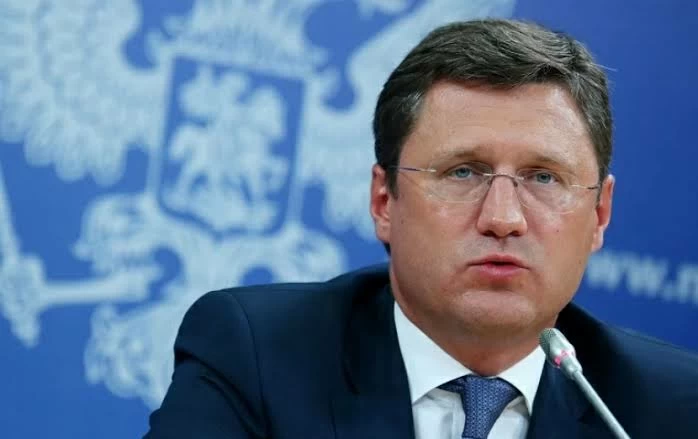
أعلن نائب رئيس الوزراء الروسي ألكسندر نوفاك خلال اجتماع حكومي بثه التلفزيون أن بلاده فرضت اليوم، حظراً على تصدير الديزل وستبدأ في استيراد الوقود في يوليو الجاري، وذلك في إطار الإجراءات الرامية إلى معالجة مشكلات الإمداد واسعة النطاق فيما يتعلق بالبنزين والديزل.
زيادة المعروض
وقال نوفاك:«تم اليوم فرض حظر على تصدير وقود الديزل، مما سيتيح زيادة في المعروض بالسوق المحلية»، في اعتراف بالقلق إزاء النقص في محطات التزود بالوقود.
وبتاريخ 23 يونيو الماضي نقلت صحيفة فيدوموستي الروسية اليومية عن مصدرين لم تذكر اسميهما قولهما: إن موسكو تدرس استيراد الوقود لتخفيف عواقب اضطرابات إمدادات البنزين والديزل الناجمة عن هجمات أوكرانية على مصافي نفط، بينما شددت شبه جزيرة القرم القيود المفروضة على الخدمات والأنشطة العامة.
تدابير إضافية
وفي تعليق له على الهجمات الأوكرانية الأحدث على البنية التحتية المدنية، ومنها مصفاة نفط في موسكو، ذكر الرئيس الروسي فلاديمير بوتين أنها مؤامرة لزعزعة استقرار المجتمع، ودعا الحكومة إلى اتخاذ تدابير إضافية لتخفيف عواقب تلك الهجمات.
و وردت تقارير من مناطق عديدة في أنحاء روسيا، ثالث أكبر منتج للنفط الخام في العالم، عن وجود قيود على مبيعات الوقود وارتفاع أسعار المنتجات النفطية واصطفاف طوابير طويلة أمام محطات الوقود.
Russian Deputy Prime Minister Alexander Novak announced during a government meeting broadcast on television that his country has imposed a ban on diesel exports today and will begin importing fuel in July, as part of measures aimed at addressing widespread supply issues related to gasoline and diesel.
Increased Supply
Novak stated, "A ban on diesel fuel exports has been imposed today, which will allow for an increase in supply in the domestic market," acknowledging concerns over the shortage at fuel stations.
On June 23, the Russian daily Vedomosti reported, citing two unnamed sources, that Moscow is considering importing fuel to mitigate the consequences of disruptions in gasoline and diesel supplies caused by Ukrainian attacks on oil refineries, while the Crimean Peninsula has tightened restrictions on services and public activities.
Additional Measures
In his comments on the latest Ukrainian attacks on civilian infrastructure, including an oil refinery in Moscow, Russian President Vladimir Putin described them as a conspiracy to destabilize society and urged the government to take additional measures to alleviate the consequences of those attacks.
Reports have emerged from various regions across Russia, the world's third-largest crude oil producer, about restrictions on fuel sales, rising prices of petroleum products, and long queues at gas stations.