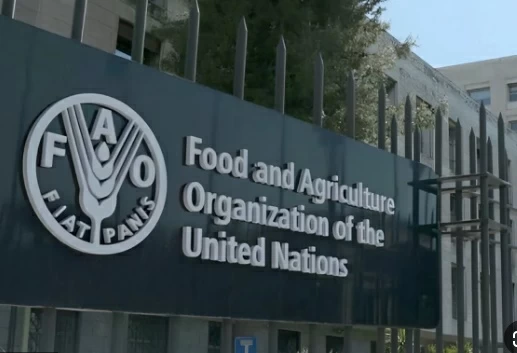
حذرت منظمة الأغذية والزراعة التابعة للأمم المتحدة «الفاو»، من أن إغلاق مضيق هرمز يُنذر بصدمة في قطاع الأغذية الزراعية، ما قد يُؤدي إلى أزمة حادة في أسعار الغذاء العالمية خلال 6 إلى 12 شهراً.
وأوضحت المنظمة، اليوم، أن تعطّل الملاحة عبر المضيق لا يُعد مجرد أزمة شحن مؤقتة، بل هو تهديد واسع النطاق لسلاسل الإمداد الغذائية والطاقة والأسمدة.
مسارات بديلة
ودعت المنظمة الحكومات والمؤسسات الدولية والقطاع الخاص للتحرك سريعاً لتأمين مسارات تجارية بديلة، وتجنب فرض قيود على الصادرات، وضمان استمرار تدفقات المساعدات الإنسانية.
وقال كبير الاقتصاديين في المنظمة ماكسيمو توريرو، في مقابلة بودكاست نُشرت اليوم: «إن الوقت حان لتعزيز قدرة الدول على مواجهة هذه الصدمات وتقليل آثارها المحتملة».
خطوط ائتمان
وأوصت المنظمة، على المدى القصير، بتحويل حركة التجارة إلى مسارات برية وبحرية بديلة، والامتناع عن فرض قيود على صادرات الطاقة والأسمدة والمدخلات الزراعية، مع استثناء المساعدات الغذائية من أي قيود تجارية.
وعلى المدى المتوسط، دعت المنظمة إلى توفير خطوط ائتمان طارئة للمزارعين تتناسب مع مواسم الحصاد، وتوسيع استخدام السجلات الرقمية للمزارعين لتسريع صرف المساعدات.
The Food and Agriculture Organization of the United Nations (FAO) has warned that the closure of the Strait of Hormuz signals a shock in the agricultural food sector, which could lead to a severe crisis in global food prices within 6 to 12 months.
The organization clarified today that the disruption of navigation through the strait is not just a temporary shipping crisis, but a widespread threat to food, energy, and fertilizer supply chains.
Alternative Routes
The organization urged governments, international institutions, and the private sector to act quickly to secure alternative trade routes, avoid imposing export restrictions, and ensure the continuation of humanitarian aid flows.
Maximo Torero, the organization's chief economist, said in a podcast interview published today: "The time has come to enhance countries' capacity to face these shocks and mitigate their potential impacts."
Credit Lines
In the short term, the organization recommended shifting trade flows to alternative land and sea routes, refraining from imposing restrictions on energy, fertilizer, and agricultural input exports, while exempting food aid from any trade restrictions.
In the medium term, the organization called for the provision of emergency credit lines for farmers that align with harvest seasons, and for expanding the use of digital records for farmers to expedite the disbursement of aid.