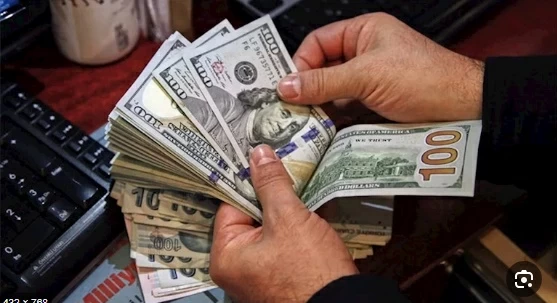
ثبّت مجلس الاحتياطي الفيدرالي الأمريكي، أخيراً، معدلات الفائدة عند 3.5% إلى 3.75%، في آخر اجتماع لرئيس الاحتياطي جيروم باول، مع إقرار تعيين كيفن وارش خلفاً له.
وجاء قرار الفيدرالي في ظل استمرار تحوطه من ارتفاع التضخم، ومتابعته أثر التطورات الاقتصادية والجيوسياسية على مسار السياسة النقدية، لا سيما مع حالة الترقب الحذر لمآلات وقف إطلاق النار في الحرب الأمريكية الإسرائيلية على إيران.
القرار جاء مدفوعاً بارتفاع مؤشر أسعار المستهلكين (التضخم) خلال مارس الماضي، إذ إن ارتفاع التضخم يكون السبب الرئيس الذي يدفع الفيدرالي لرفع الفائدة لكبح مستويات الأسعار، لكن في الوضع الحالي اكتفى المركزي الأمريكي بالحذر من تداعيات الحرب وثبّت الفائدة.
استقرار تكلفة الاقتراض
وأوضح خبراء اقتصاديون أن قرار الفيدرالي الأمريكي بتثبيت أسعار الفائدة يحمل تأثيراً محدوداً ومسعراً بالفعل في الأسواق، لكنه يدعم في الوقت نفسه حالة من الاستقرار النسبي في تكلفة الاقتراض الخارجي، مع الحفاظ على استقرار شهية المستثمرين وتسعير السندات الدولية.
ومع صدور قرار تثبيت الفائدة، تتجه الأنظار إلى تداعياته على تكلفة الاقتراض الخارجي للدول.
كبح جماح التضخم
وبينوا أن قرار تثبيت أسعار الفائدة الأمريكية جاء متوقعاً، إلا أن اللافت كان تزايد عدد أعضاء مجلس الاحتياطي الفيدرالي الداعمين لهذا التوجه مع تبني لهجة أكثر تشدداً في السياسة النقدية.
وأشاروا إلى أن هذا التوجه يعكس محاولة واضحة لكبح جماح التضخم، الذي عاد لمستويات قريبة من تلك المسجلة في عام 2022.
وذكروا أن المرحلة القادمة قد تشهد استمرار التثبيت مع تشديد أكبر في لهجة السياسة النقدية، أو حتى العودة إلى رفع الفائدة، ما يعكس حالة من عدم اليقين بشأن المسار المستقبلي للسياسات النقدية الأمريكية.
تعزيز السيولة في الخليج
وفيما يخص اقتصادات الخليج، أشار اقتصاديون إلى الارتباط الوثيق بين الدولار ومعظم العملات الخليجية. وأكدوا أن القطاع المصرفي الخليجي أظهر قوة ملحوظة في مواجهة التقلبات والتحديات الجيوسياسية.
ونوهوا إلى أن ارتفاع أسعار النفط، التي لامست مستويات 120 دولاراً للبرميل، يدعم تدفق مزيد من الودائع إلى النظام المصرفي الخليجي.
وتوقعوا أنه مع قرار الفيدرالي بتثبيت أسعار الفائدة فإن القطاع المصرفي الخليجي قد يشهد نمواً في التمويلات خلال الفترة القادمة، مدفوعاً بانتعاش النشاط الاقتصادي.
وأفادوا أن وتيرة نمو الودائع تفوقت أخيراً على التمويلات، وهو ما يقلص الفجوة بينهما ويعزز قدرة البنوك على التوسع في الإقراض، وهو من شأنه تعزيز تدفقات السيولة الأجنبية إلى الأسواق الخليجية خلال الفترة القادمة.
The U.S. Federal Reserve has finally maintained interest rates at 3.5% to 3.75% in the latest meeting of Chairman Jerome Powell, acknowledging the appointment of Kevin Warsh as his successor.
The Fed's decision came amid its continued caution regarding rising inflation and its monitoring of the impact of economic and geopolitical developments on the course of monetary policy, especially with the cautious anticipation of the outcomes of the ceasefire in the U.S.-Israeli war on Iran.
The decision was driven by the rise in the Consumer Price Index (inflation) during March, as rising inflation is the main reason that prompts the Fed to raise interest rates to curb price levels. However, in the current situation, the U.S. central bank opted for caution regarding the implications of the war and kept the interest rate steady.
Stability of Borrowing Costs
Economists explained that the Fed's decision to maintain interest rates has a limited impact that is already priced into the markets, but it simultaneously supports a relative stability in external borrowing costs, while maintaining the stability of investor appetite and the pricing of international bonds.
With the issuance of the interest rate stabilization decision, attention turns to its implications for the external borrowing costs of countries.
Curbing Inflation
They noted that the decision to maintain U.S. interest rates was expected; however, what stood out was the increasing number of Federal Reserve members supporting this direction while adopting a more hawkish tone in monetary policy.
They pointed out that this trend reflects a clear attempt to curb inflation, which has returned to levels close to those recorded in 2022.
They mentioned that the upcoming phase may witness continued stabilization with a tighter tone in monetary policy, or even a return to raising interest rates, reflecting a state of uncertainty regarding the future trajectory of U.S. monetary policies.
Enhancing Liquidity in the Gulf
Regarding Gulf economies, economists pointed to the close connection between the dollar and most Gulf currencies. They confirmed that the Gulf banking sector has shown remarkable strength in facing fluctuations and geopolitical challenges.
They noted that the rise in oil prices, which approached $120 per barrel, supports the flow of more deposits into the Gulf banking system.
They predicted that with the Fed's decision to maintain interest rates, the Gulf banking sector may witness growth in financing in the coming period, driven by a revival in economic activity.
They reported that the growth rate of deposits has recently outpaced financing, which reduces the gap between them and enhances banks' ability to expand lending, thereby boosting foreign liquidity flows into Gulf markets in the upcoming period.