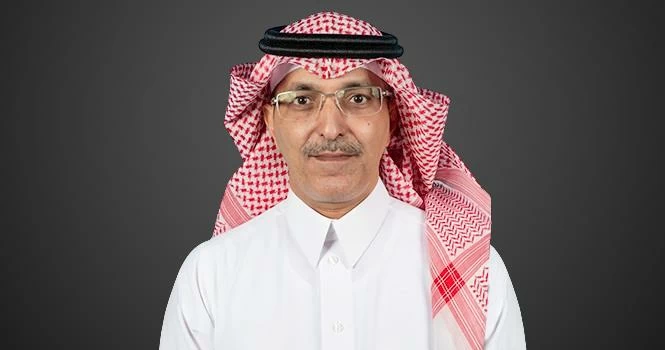
أكّد وزير المالية محمد الجدعان، أن «مبادئ الدرعية التوجيهية» من أهم الإصلاحات التي شهدها صندوق النقد الدولي- «IMF» منذ أكثر من 15 عاماً فيما يتعلق بالحصص والحوكمة.
وأشار إلى توافق الأعضاء على تكثيف الجهود لتعزيز استقرار الاقتصاد الكلي والمالي خلال اجتماع وزراء المالية ومحافظي البنوك في G20 والتأكيد على قوة الاقتصاد السعودي واستمراره في تحقيق نمو مستدام ومتوازن في ظل رؤية 2030.
مواجهة التحديات
وقال الوزير الجدعان: «كما أشرت خلال اجتماع لجنة التنمية التابعة لمجموعة البنك الدولي، إلى أهمية العمل الجماعي واستعداد المنظمات الدولية لتقديم برامج للدول المتضررة والهشة لدعمها في مواجهة التحديات التي يمر بها العالم».
وأضاف: «خلال مشاركتي في الجلسة الحوارية بعنوان: «نقاش حول الاقتصاد العالمي: سياسات من أجل الاستقرار والمرونة والازدهار»، أشرت إلى مستوى التكامل الاقتصادي غير المسبوق الذي تشهده منطقة الخليج لتعزيز الاستقرار، والاستفادة من بنيتنا التحتية الجماعية لحماية الأسواق العالمية».
ولفت الوزير إلى مشاركته في اجتماع وزراء ومحافظي منطقة الشرق الأوسط وشمال أفريقيا وأفغانستان وباكستان مع مدير عام صندوق النقد الدولي، وأكّد خلاله أن المرحلة القادمة تتطلب من دول المنطقة قدراً عالياً من الحكمة والتنسيق، ورؤية استراتيجية واضحة، وإصلاحات سريعة لدعم استقرار الاقتصاد الكلي وتعزيز الحيّز المالي، بما يُمكّن المنطقة من التعامل مع الصدمات الخارجية بفعالية أكبر.
Finance Minister Mohammed Al-Jadaan confirmed that the "Diriyah Guiding Principles" are among the most important reforms witnessed by the International Monetary Fund - "IMF" in over 15 years regarding quotas and governance.
He pointed out the members' agreement to intensify efforts to enhance macroeconomic and financial stability during the G20 Finance Ministers and Central Bank Governors meeting, emphasizing the strength of the Saudi economy and its continued achievement of sustainable and balanced growth under Vision 2030.
Facing Challenges
Minister Al-Jadaan said: "As I mentioned during the meeting of the Development Committee of the World Bank Group, the importance of collective action and the readiness of international organizations to provide programs for affected and vulnerable countries to support them in facing the challenges the world is experiencing."
He added: "During my participation in the panel discussion titled: 'Discussion on the Global Economy: Policies for Stability, Resilience, and Prosperity,' I highlighted the unprecedented level of economic integration being witnessed in the Gulf region to enhance stability and leverage our collective infrastructure to protect global markets."
The minister noted his participation in the meeting of Finance Ministers and Governors from the Middle East, North Africa, Afghanistan, and Pakistan with the Managing Director of the International Monetary Fund, where he emphasized that the upcoming phase requires a high degree of wisdom and coordination from the countries in the region, a clear strategic vision, and swift reforms to support macroeconomic stability and enhance fiscal space, enabling the region to deal with external shocks more effectively.