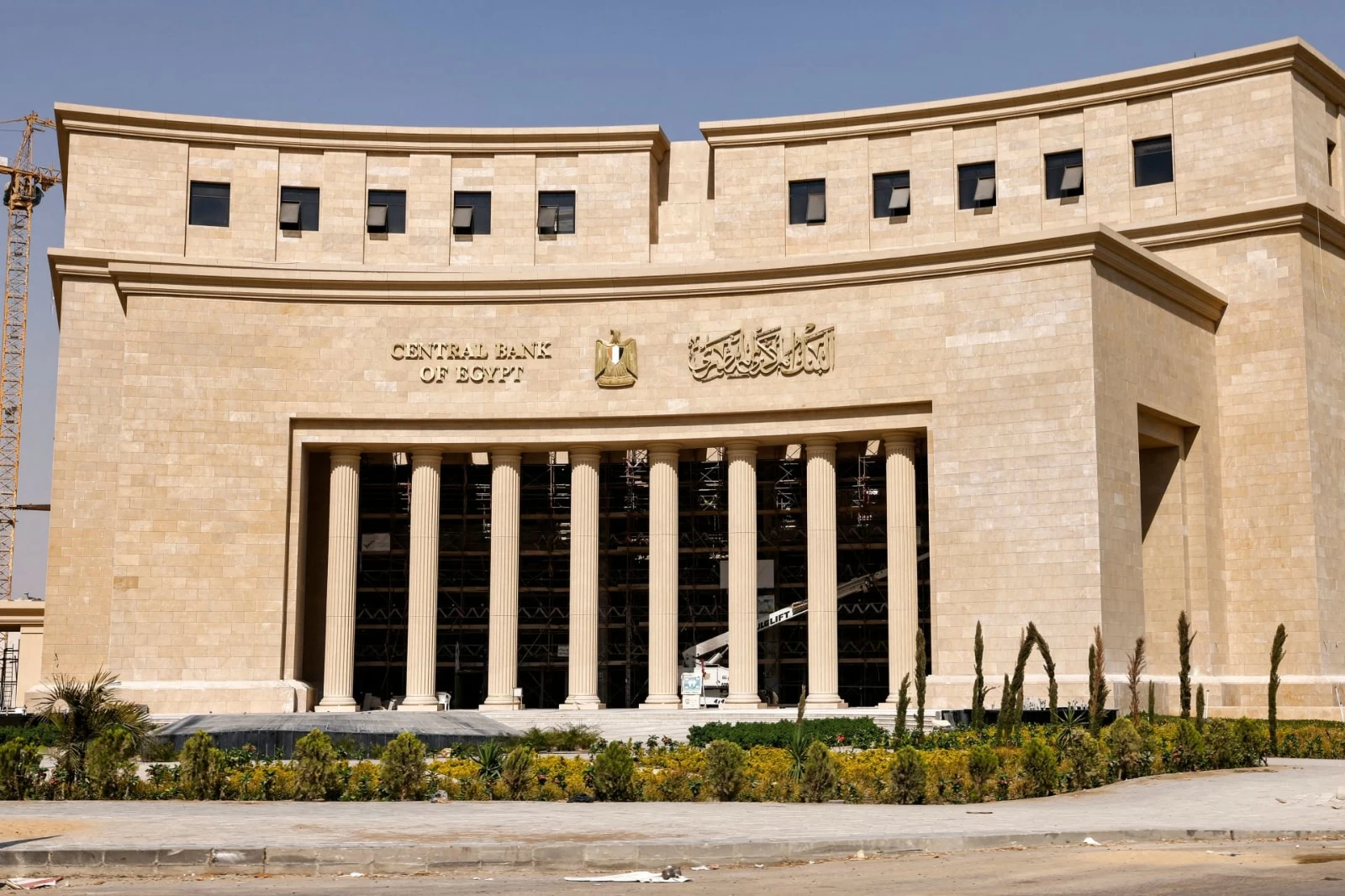
أعلن البنك المركزي المصري تحسناً ملحوظاً في أداء معاملات الاقتصاد المصري مع العالم الخارجي خلال النصف الأول من السنة المالية 2025 / 2026 (من يوليو إلى ديسمبر 2025)، وهي الفترة التي سبقت تصاعد التوترات الإقليمية.
وأوضح البنك المركزي المصري، في بيان له، اليوم (الثلاثاء)، أن هذا التحسن انعكس في مؤشرات إيجابية بميزان المدفوعات، إذ تراجع عجز الحساب الجاري بنسبة 13.6% ليصل إلى نحو 9.5 مليار دولار، مقارنة بنحو 10.9 مليار دولار خلال نفس الفترة من العام المالي السابق.
تحويلات العاملين والسياحة تقودان التحسن
وجاء هذا التحسن مدفوعاً بارتفاع صافي التحويلات الجارية بدون مقابل بنسبة 28.4% لتسجل نحو 22 مليار دولار، نتيجة زيادة تحويلات المصريين العاملين بالخارج، إذ بلغت 22.1 مليار دولار في الفترة من يوليو إلى ديسمبر 2025 مقابل 17.1 مليار دولار قبل عام.
كما ارتفع فائض ميزان الخدمات بنسبة 20.6% ليبلغ نحو 8.9 مليار دولار، بدعم من نمو الإيرادات السياحية وزيادة رسوم المرور في قناة السويس.
وسجلت الإيرادات السياحية ارتفاعاً بنسبة 17.3% لتصل إلى 10.2 مليار دولار، فيما زادت إيرادات القناة بنسبة 19% لتبلغ 2.2 مليار دولار، مدفوعة بزيادة أعداد السفن والحمولات العابرة.
تحديات من العجز التجاري
ورغم هذا الأداء الإيجابي، استمر الضغط على الحساب الجاري نتيجة ارتفاع عجز الميزان التجاري، سواء البترولي أو غير البترولي.
فقد ارتفع عجز الميزان التجاري البترولي إلى 8.9 مليار دولار، نتيجة زيادة الواردات من الغاز الطبيعي والبترول الخام، إلى جانب تراجع الصادرات البترولية.
كما اتسع عجز الميزان التجاري غير البترولي إلى 22.8 مليار دولار، بسبب ارتفاع الواردات السلعية، خصوصاً السيارات ومكوناتها والذرة والهواتف وفول الصويا، رغم زيادة الصادرات من الذهب والسلع الغذائية والملابس الجاهزة.
إلى جانب ذلك، ارتفع عجز ميزان دخل الاستثمار إلى 8.6 مليار دولار، نتيجة زيادة مدفوعات العوائد على الاستثمارات.
تدفقات استثمارية قوية
على صعيد المعاملات الرأسمالية والمالية، سجلت مصر صافي تدفق نقدي للداخل بلغ 6.5 مليار دولار خلال الفترة، مدفوعا بزيادة الاستثمارات الأجنبية.
وارتفع صافي الاستثمار الأجنبي المباشر إلى 9.3 مليار دولار، مقارنة بـ6 مليارات دولار في الفترة المقارنة، مدعوماً بتدفقات كبيرة للقطاعات غير البترولية، خصوصاً تأسيس الشركات وزيادة الرساميل، إضافة إلى صفقات استثمارية بارزة مثل مشروع «علم الروم».
كما سجلت الاستثمارات في محفظة الأوراق المالية صافي تدفق للداخل بلغ 5 مليارات دولار، مقابل خروج صافٍ في العام السابق.
مؤشرات على تراجع الاعتماد على الديون
في المقابل، أظهرت البيانات زيادة في الأصول الأجنبية للبنوك المصرية بالخارج بنحو 9.7 مليار دولار، وهو ما يعكس تحسن السيولة الخارجية.
كما تراجعت وتيرة الاعتماد على الاقتراض الخارجي، إذ سجلت القروض متوسطة وطويلة الأجل صافي سداد، مع انخفاض إجمالي القروض المستخدمة مقارنة بالفترة السابقة.
عجز كلي محدود
ورغم هذه التطورات الإيجابية، سجل ميزان المدفوعات عجزاً كلياً بلغ نحو 2.1 مليار دولار خلال الفترة، مقارنة بعجز أقل بلغ نحو 502.6 مليون دولار في نفس الفترة من العام المالي السابق.
The Central Bank of Egypt announced a noticeable improvement in the performance of Egypt's economic transactions with the outside world during the first half of the fiscal year 2025/2026 (from July to December 2025), a period that preceded the escalation of regional tensions.
The Central Bank of Egypt clarified, in a statement today (Tuesday), that this improvement was reflected in positive indicators in the balance of payments, as the current account deficit decreased by 13.6% to reach approximately $9.5 billion, compared to about $10.9 billion during the same period of the previous fiscal year.
Remittances and Tourism Drive the Improvement
This improvement was driven by a 28.4% increase in net current transfers without compensation, reaching about $22 billion, due to an increase in remittances from Egyptians working abroad, which amounted to $22.1 billion from July to December 2025 compared to $17.1 billion a year earlier.
The surplus in the services balance also rose by 20.6% to reach approximately $8.9 billion, supported by the growth in tourism revenues and increased transit fees in the Suez Canal.
Tourism revenues recorded an increase of 17.3% to reach $10.2 billion, while canal revenues rose by 19% to reach $2.2 billion, driven by an increase in the number of passing ships and cargo.
Challenges from the Trade Deficit
Despite this positive performance, pressure on the current account continued due to the rising trade deficit, both petroleum and non-petroleum.
The petroleum trade deficit rose to $8.9 billion due to increased imports of natural gas and crude oil, alongside a decline in petroleum exports.
The non-petroleum trade deficit also widened to $22.8 billion, due to increased merchandise imports, particularly cars and their components, corn, phones, and soybeans, despite an increase in exports of gold, food commodities, and ready-made garments.
Additionally, the investment income balance deficit rose to $8.6 billion due to increased payments on investment returns.
Strong Investment Flows
In terms of capital and financial transactions, Egypt recorded a net cash inflow of $6.5 billion during the period, driven by increased foreign investments.
Net foreign direct investment rose to $9.3 billion, compared to $6 billion in the comparable period, supported by significant flows to non-petroleum sectors, particularly company formations and capital increases, in addition to prominent investment deals such as the "Alam Al-Roum" project.
Investments in the securities portfolio also recorded a net inflow of $5 billion, compared to a net outflow in the previous year.
Indicators of Reduced Reliance on Debt
Conversely, the data showed an increase in the foreign assets of Egyptian banks abroad by about $9.7 billion, reflecting an improvement in external liquidity.
The pace of reliance on external borrowing has also decreased, as medium- and long-term loans recorded a net repayment, with a decline in the total loans utilized compared to the previous period.
Limited Overall Deficit
Despite these positive developments, the balance of payments recorded an overall deficit of approximately $2.1 billion during the period, compared to a lower deficit of about $502.6 million in the same period of the previous fiscal year.