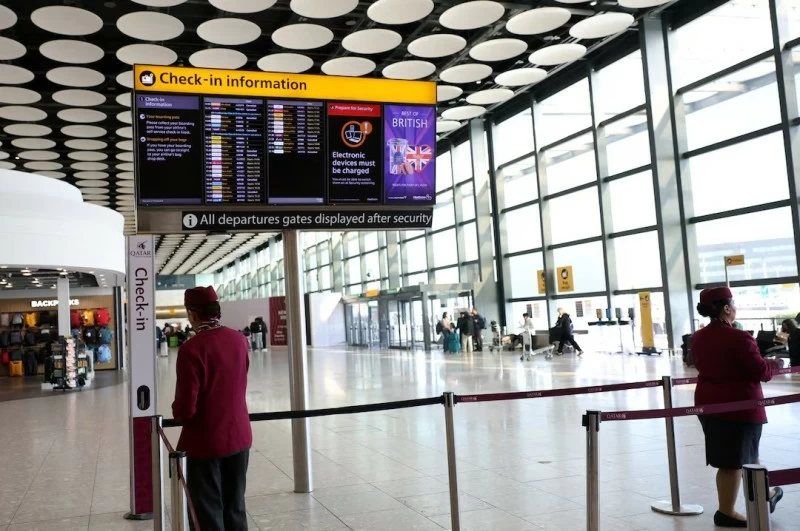
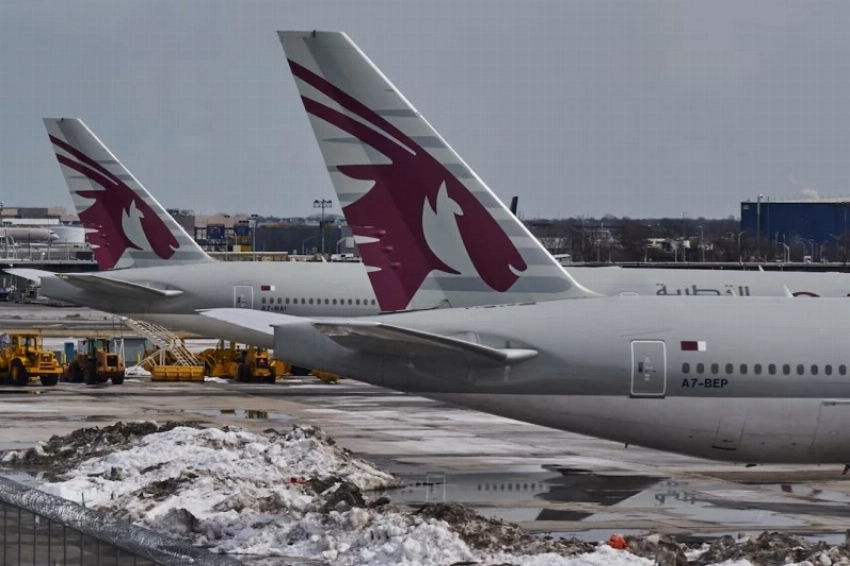
ارتفعت أسعار تذاكر الطيران بين آسيا وأوروبا بشكل حاد بعد إغلاق المطارات الرئيسية في الشرق الأوسط، وخصوصا مطار دبي الدولي - أكثر المطارات ازدحامًا عالميًا للرحلات الدولية - لليوم الرابع على التوالي اليوم (الثلاثاء)، جراء الحرب الأمريكية-الإسرائيلية ضد إيران.
توقف محاور خليجية رئيسية
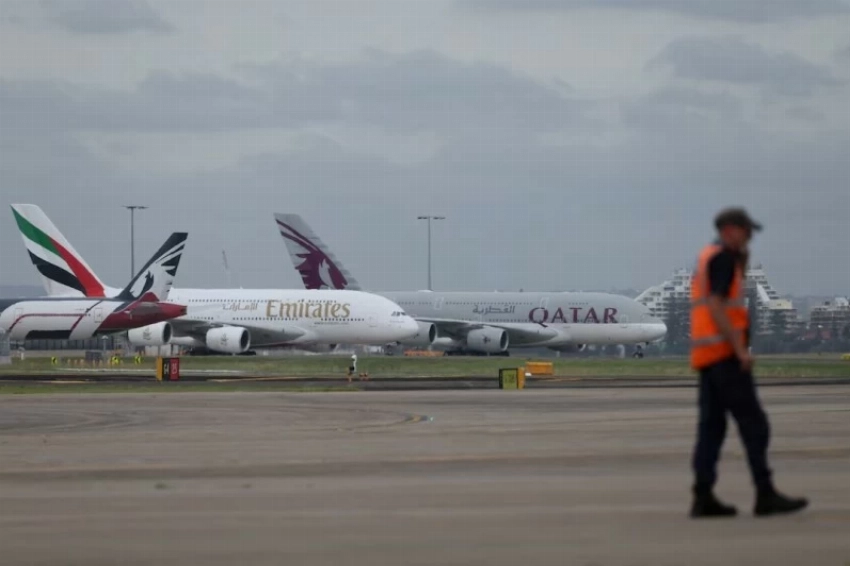
وأدى ذلك إلى نفاد التذاكر على العديد من الرحلات الشائعة لأيام قادمة، مع انخفاض كبير في السعة على طرق مثل أستراليا-أوروبا، حيث تسيطر شركات مثل الإمارات وقطر إيرويز عادةً على حصة كبيرة من السوق.
ضغط غير مسبوق على شركات السفر
وشهدت مجموعة فلايت سنتر ترافل الأسترالية (Flight Centre Travel Group) زيادة بنسبة 75% في المكالمات إلى متاجرها وخطوط المساعدة الطارئة منذ بدء الأزمة، حيث تعمل فرقها على مدار الساعة لمساعدة المتضررين.
وقال المدير العالمي أندرو ستارك إن الأستراليين يعيدون حجز رحلاتهم إلى بريطانيا وأوروبا عبر مسارات بديلة مثل الصين وسنغافورة وغيرها من مراكز آسيا، أو عبر أمريكا الشمالية مثل هيوستن.
مسارات أطول وتكاليف أعلى
وتعتمد الشركات التي تقدم رحلات مباشرة آسيا-أوروبا على تجاوز المجال الجوي الشرق أوسطي المغلق، إما شمالًا عبر القوقاز ثم أفغانستان، أو جنوبًا عبر مصر ثم السعودية ثم عمان.
ومع ذلك، يزيد ذلك من مدة الرحلات واستهلاك الوقود، مما يرفع التكاليف في ظل ارتفاع أسعار النفط، وقد يؤدي إلى زيادة دائمة في الأسعار على المدى الطويل.
وحذر سوباس مينون، رئيس جمعية خطوط الطيران في آسيا والمحيط الهادئ، من أن إغلاق الشرق الأوسط بأكمله يمثل «ثمنًا باهظًا» لبعض الشركات، مشيرًا إلى أن خدمة أوروبا بتكلفة عالية ستضر بربحية الشركات وتؤثر على الاتصال العالمي.
وفقًا لشركة ألتون للاستشارات الجوية، قد تستفيد شركات مثل كاثاي باسيفيك (هونغ كونغ)، سنغافورة إيرلاينز، وتركيش إيرلاينز قصير الأجل من تحول الركاب نحو مسارات غير متأثرة بالخليج.
شركات تستفيد وأخرى تتكبد الخسائر
وأظهرت مراجعات لمواقع شركات الطيران ارتفاعًا كبيرًا في الأسعار ونقصًا حادًا في المقاعد المتاحة للرحلات بين آسيا ولندن خلال الأيام القليلة القادمة.
مستقبل غامض لقطاع الطيران
وتظهر بيانات الإلغاءات ارتفاعًا حادًا في عدد الرحلات الملغاة في مطارات الشرق الأوسط، مع استحواذ مطار دبي الدولي على نحو نصف إجمالي الإلغاءات خلال الأيام الأخيرة من فبراير.
ويرى محللون أن استمرار الأزمة سيؤدي إلى إعادة رسم خريطة النقل الجوي مؤقتًا، مع تحوّل مراكز العبور من الخليج إلى شرق آسيا وأوروبا، بينما تتحمل شركات الطيران والمسافرون على حد سواء كلفة اضطراب جيوسياسي جديد يعصف بأحد أكثر القطاعات حساسية للأزمات العالمية.
ويُعد هذا الاضطراب أكبر اختبار لقطاع الطيران منذ جائحة كوفيد-19، مع إلغاء آلاف الرحلات وتأثر مئات الآلاف من الركاب.
Airfare prices between Asia and Europe have sharply increased following the closure of major airports in the Middle East, particularly Dubai International Airport - the world's busiest airport for international flights - for the fourth consecutive day today (Tuesday), due to the U.S.-Israeli war against Iran.
Closure of Major Gulf Hubs
This has led to a sell-out of tickets on many popular routes for the coming days, with a significant reduction in capacity on routes such as Australia-Europe, where airlines like Emirates and Qatar Airways typically hold a large market share.
Unprecedented Pressure on Travel Companies
The Flight Centre Travel Group in Australia has seen a 75% increase in calls to its stores and emergency helplines since the crisis began, with its teams working around the clock to assist those affected.
Global Director Andrew Stark stated that Australians are rebooking their flights to the UK and Europe via alternative routes such as China, Singapore, and other Asian hubs, or through North America like Houston.
Longer Routes and Higher Costs
Companies offering direct Asia-Europe flights are relying on bypassing the closed Middle Eastern airspace, either north through the Caucasus and then Afghanistan, or south through Egypt, then Saudi Arabia, and then Oman.
However, this increases flight durations and fuel consumption, raising costs amid rising oil prices, and could lead to a permanent increase in prices in the long term.
Subhas Menon, the head of the Association of Asia Pacific Airlines, warned that the complete closure of the Middle East represents a "heavy price" for some companies, noting that servicing Europe at a high cost will hurt companies' profitability and affect global connectivity.
According to Alton Aviation Consultancy, airlines like Cathay Pacific (Hong Kong), Singapore Airlines, and Turkish Airlines may benefit in the short term from the shift of passengers towards routes unaffected by the Gulf.
Companies Benefiting and Others Incurring Losses
Reviews of airline websites have shown a significant increase in prices and a sharp shortage of available seats for flights between Asia and London over the next few days.
Uncertain Future for the Aviation Sector
Cancellation data shows a sharp rise in the number of canceled flights at Middle Eastern airports, with Dubai International Airport accounting for nearly half of the total cancellations in recent days of February.
Analysts believe that the continuation of the crisis will temporarily redraw the air transport map, with transit hubs shifting from the Gulf to East Asia and Europe, while both airlines and travelers bear the costs of a new geopolitical disruption affecting one of the most crisis-sensitive sectors globally.
This disruption is the biggest test for the aviation sector since the COVID-19 pandemic, with thousands of flights canceled and hundreds of thousands of passengers affected.