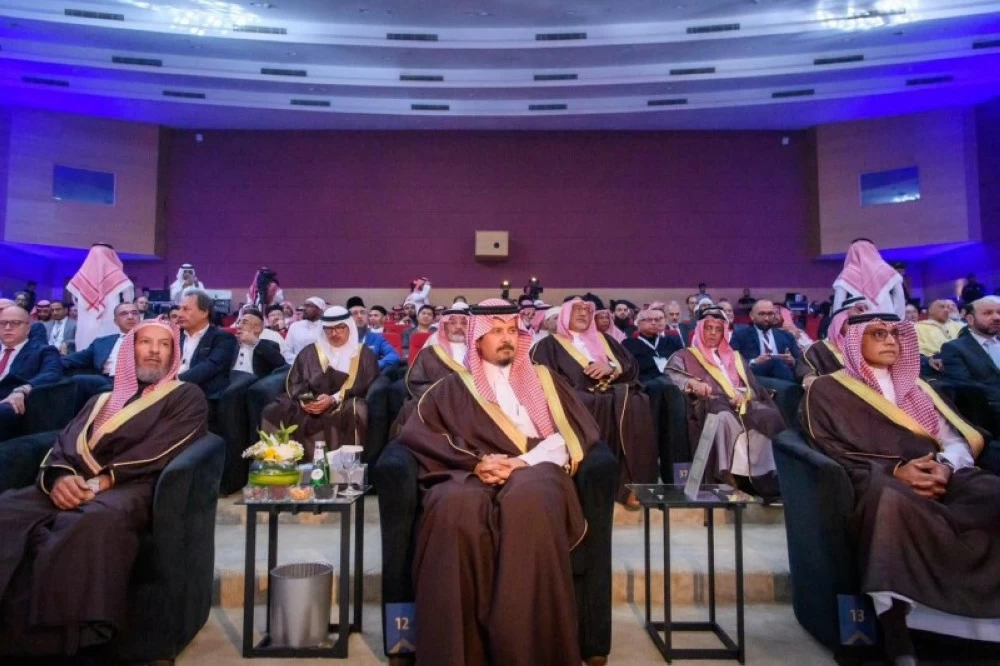
رعى أمير منطقة المدينة المنورة الأمير سلمان بن سلطان بن عبدالعزيز، حفل افتتاح أعمال الدورة الـ46 لندوة البركة للاقتصاد الإسلامي، التي ينظمها منتدى البركة للاقتصاد الإسلامي تحت شعار «قطاع البر والإحسان في الاقتصاد الإسلامي.. نحو مستقبل جديد»، بجامعة الأمير مقرن بن عبدالعزيز.
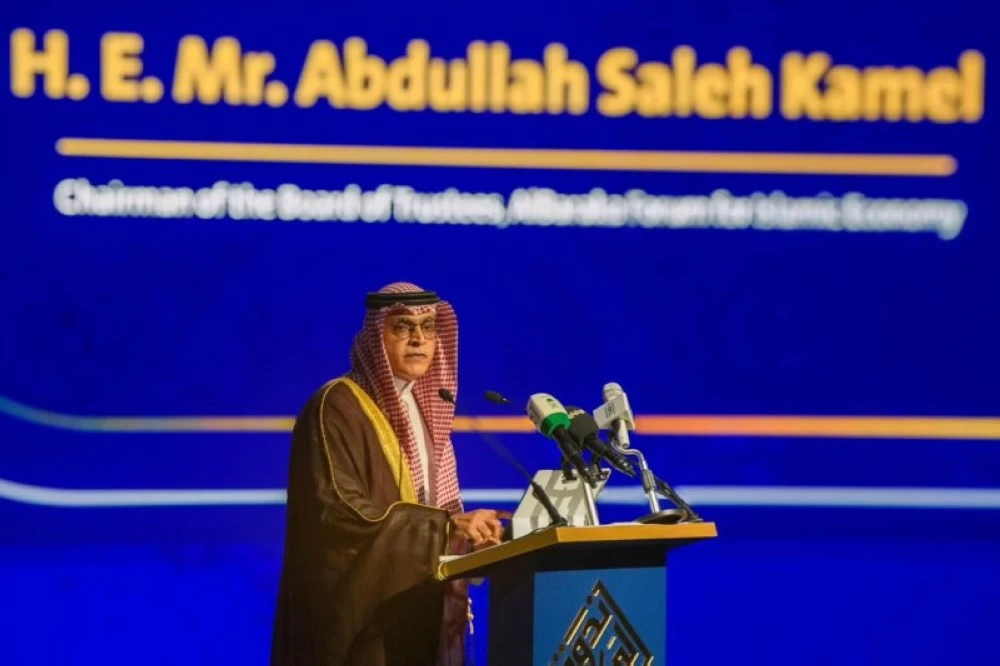
وأكد رئيس مجلس أمناء منتدى البركة للاقتصاد الإسلامي رئيس الغرفة الإسلامية للتجارة والتنمية رئيس مجلس إدارة اتحاد الغرف السعودية عبداالله صالح كامل، أن قطاع البر والإحسان يُعدّ القطاع الأكبر في منظومة الاقتصاد الإسلامي، وشدد على أن تحقيق تنمية حقيقية ومتوازنة لا يمكن أن يتم دون النظر إلى هذا القطاع، بوصفه مكوّناً اقتصادياً أصيلاً، وليس مجرد نشاط خيري تكميلي.
البر والإحسان
وأوضح في كلمته أن اختيار موضوع «قطاع البر والإحسان» هذا العام يأتي استشرافاً لمستقبل الاقتصاد الإسلامي، وانطلاقاً من المدينة المنورة التي شهدت البدايات الأولى للاقتصاد الإسلامي، وترسيخ مفاهيم الوقف والإنفاق والإحسان كقيم اقتصادية وتنموية ممتدة عبر التاريخ.
وأشار إلى أن مسيرة ندوة البركة خلال العقود الماضية أسهمت في بناء أدوات الاقتصاد الإسلامي الحديثة، وفي مقدمتها المصرفية الإسلامية، مؤكداً أن المرحلة القادمة تتطلب العمل على مسارات متكاملة تشمل اقتصاد البر والإحسان، وتفعيل دور رأس المال، والالتزام بالأخلاق والقيم باعتبارها الأساس الجوهري للاقتصاد الإسلامي.
الاقتصاد الإسلامي
وبيّن أن هذه المسارات الثلاثة تشكّل معاً قاعدة لبناء مستقبل الاقتصاد الإسلامي، إلى جانب استمرار الأدوات الرئيسية التي انطلقت خلال الـ50 عاماً الماضية، مثل الصكوك والتأمين التكافلي، مع الاستخدام الأمثل للتقنيات المالية الحديثة بما يعزز الأثر والاستدامة.
وأكد على أهمية تمكين القطاع غير الربحي، لافتاً إلى أن التجربة السعودية في هذا المجال تمثل نموذجاً وطنياً ملهماً وقابلاً للنقل عالمياً، بما يسهم في تحقيق التنمية المستدامة وتعظيم الأثر الاجتماعي.
ثم ألقى مفتي الجمهورية التونسية الشيخ هشام بن محمود، كلمة أكد فيها أن انعقاد الندوة في رحاب مدينة رسول الله صلى الله عليه وسلم يجسد قيم البر والإحسان والتكافل التي قامت عليها الرسالة المحمدية، مستشهداً بنموذج التآزر بين المهاجرين والأنصار، ومبيناً أن هذه القيم تمثل أساس العمل الإنساني والاقتصادي في الإسلام.
دور السعودية
وأشاد بالدور الريادي للمملكة، بقيادة خادم الحرمين الشريفين وولي عهده الأمين، في دعم مسارات العمل الخيري والتنموي وترسيخ مبادئ الرحمة والتكافل، مثمناً تجربة «مجموعة البركة» و«بنك البركة» في تونس بوصفها نموذجاً متكاملاً يجمع بين العمل المصرفي والرؤية الفقهية، قائماً على مبدأ التكافل ودعم المحتاجين، ونوّه بإسهامات الشيخ صالح عبدالله كامل (رحمه الله) في خدمة العمل التنموي، ومواصلة أبنائه وأسرته هذا النهج، معرباً في ختام كلمته عن شكره وتقديره لرعاية أمير منطقة المدينة المنورة.
إثر ذلك، شاهد الحضور عرضاً مرئياً بعنوان «اقتصاد البر والإحسان.. العطاء الذي يصنع الأثر»، تناول الجذور التاريخية لاقتصاد العطاء في الإسلام منذ أول وقف في المدينة المنورة، وصولاً إلى تحوّل القطاع غير الربحي إلى رافد اقتصادي وتنموي مؤثر في العصر الحديث، وسلّط العرض الضوء على تجربة المملكة في تمكين القطاع غير الربحي ضمن رؤية السعودية 2030، بوصفه قطاعاً يُدار بمنهجية مؤسسية بما يعكس تحوّل القطاع غير الربحي إلى قوة تنموية فاعلة تدعم الاستدامة الاقتصادية والاجتماعية.
وفي السياق ذاته، رعى أمير منطقة المدينة المنورة توقيع 3 مذكرات تفاهم، جاءت الأولى بين منتدى البركة للاقتصاد الإسلامي والجامعة الإسلامية بالمدينة المنورة، بهدف تعزيز التكامل بين الجهتين ورفع مستوى البرامج والأنشطة التي تخدم تنمية الإنسان، فيما جاءت المذكرة الثانية بين منتدى البركة للاقتصاد الإسلامي وجامعة INCEIF لدعم البحث العلمي وتشجيع تبادل المعرفة والخبرات، والثالثة بين منتدى البركة للاقتصاد الإسلامي وجامعة الملك عبدالعزيز ممثلة بمعهد الاقتصاد الإسلامي لتعزيز التكامل البحثي والمعرفي وتنمية الموارد العلمية.
The Prince of the Medina Region, Prince Salman bin Sultan bin Abdulaziz, sponsored the opening ceremony of the 46th session of the Al-Baraka Symposium on Islamic Economics, organized by the Al-Baraka Forum for Islamic Economics under the slogan "The Sector of Charity and Goodness in Islamic Economics... Towards a New Future," at Prince Muqrin bin Abdulaziz University.
The Chairman of the Board of Trustees of the Al-Baraka Forum for Islamic Economics, Chairman of the Islamic Chamber of Commerce and Development, and Chairman of the Board of Directors of the Saudi Chambers, Abdullah Saleh Kamel, affirmed that the sector of charity and goodness is the largest sector within the Islamic economic system. He emphasized that achieving genuine and balanced development cannot occur without considering this sector, as it is an essential economic component, not merely a complementary charitable activity.
Charity and Goodness
He explained in his speech that the choice of the topic "The Sector of Charity and Goodness" this year comes as a foresight for the future of Islamic economics, originating from Medina, which witnessed the early beginnings of Islamic economics, and reinforcing the concepts of endowment, spending, and goodness as economic and developmental values that have extended throughout history.
He pointed out that the journey of the Al-Baraka Symposium over the past decades has contributed to building modern tools of Islamic economics, foremost among them Islamic banking. He affirmed that the upcoming phase requires working on integrated pathways that include the economy of charity and goodness, activating the role of capital, and adhering to ethics and values as the fundamental basis of Islamic economics.
Islamic Economics
He indicated that these three pathways together form a foundation for building the future of Islamic economics, alongside the continuation of the main tools that have emerged over the past 50 years, such as sukuk and takaful insurance, with the optimal use of modern financial technologies to enhance impact and sustainability.
He emphasized the importance of empowering the non-profit sector, noting that the Saudi experience in this field represents an inspiring national model that can be replicated globally, contributing to achieving sustainable development and maximizing social impact.
Then, the Grand Mufti of Tunisia, Sheikh Hicham Ben Mahmoud, delivered a speech in which he affirmed that holding the symposium in the precincts of the City of the Messenger of Allah (peace be upon him) embodies the values of charity, goodness, and solidarity upon which the Muhammadan message was founded, citing the model of cooperation between the emigrants and the supporters, and explaining that these values represent the foundation of humanitarian and economic work in Islam.
The Role of Saudi Arabia
He praised the pioneering role of the Kingdom, led by the Custodian of the Two Holy Mosques and his trustworthy Crown Prince, in supporting charitable and developmental work and reinforcing the principles of mercy and solidarity, commending the experience of "Al-Baraka Group" and "Al-Baraka Bank" in Tunisia as a comprehensive model that combines banking work with jurisprudential vision, based on the principle of solidarity and support for the needy. He also highlighted the contributions of Sheikh Saleh Abdullah Kamel (may Allah have mercy on him) in serving developmental work, and the continuation of his children and family in this approach, expressing his gratitude and appreciation to the Prince of the Medina Region for his sponsorship at the end of his speech.
Following that, the attendees watched a visual presentation titled "The Economy of Charity and Goodness... The Giving that Makes an Impact," which addressed the historical roots of the economy of giving in Islam, starting from the first endowment in Medina, leading to the transformation of the non-profit sector into an influential economic and developmental contributor in the modern era. The presentation highlighted the Kingdom's experience in empowering the non-profit sector within the Saudi Vision 2030, portraying it as a sector managed with an institutional methodology that reflects the transformation of the non-profit sector into an effective developmental force supporting economic and social sustainability.
In this context, the Prince of the Medina Region sponsored the signing of three memoranda of understanding, the first of which was between the Al-Baraka Forum for Islamic Economics and the Islamic University of Medina, aimed at enhancing integration between the two parties and raising the level of programs and activities that serve human development. The second memorandum was between the Al-Baraka Forum for Islamic Economics and INCEIF University to support scientific research and encourage the exchange of knowledge and experiences, and the third was between the Al-Baraka Forum for Islamic Economics and King Abdulaziz University, represented by the Institute of Islamic Economics, to enhance research and knowledge integration and develop scientific resources.