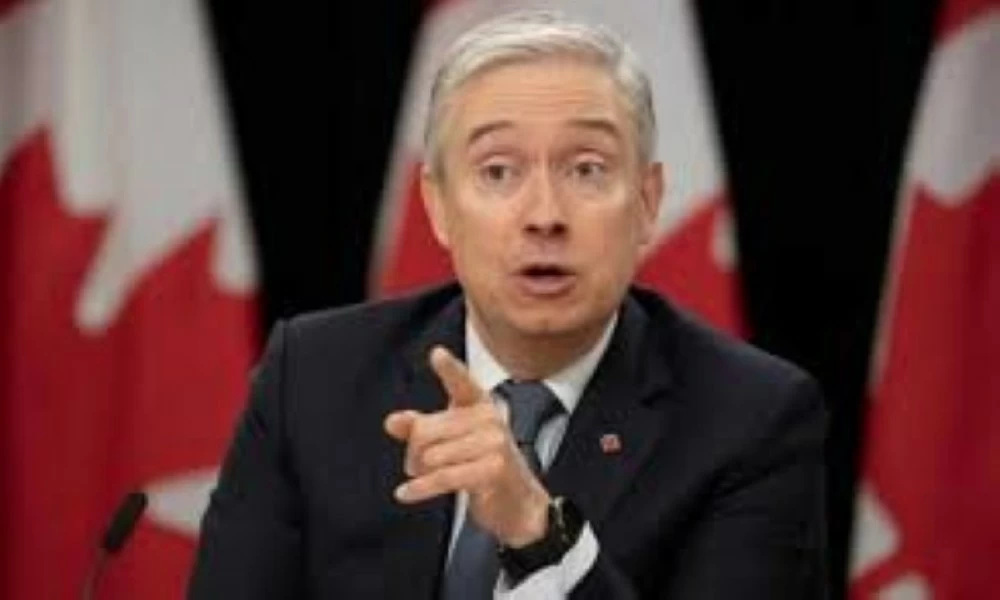
أعلن وزير المالية الكندي فرانسوا شامبان أن العالم بات يدرك بشكل أوضح الترابط الوثيق بين الأمن الغذائي وأمن الطاقة والاستقرارين الاقتصادي والقومي، مشيراً إلى أن الاعتماد المفرط على الخارج لم يعد خياراً قابلاً للاستمرار في ظل التحولات العالمية المتسارعة.
وأوضح شامبان، خلال مشاركته في المنتدى الاقتصادي العالمي في دافوس، أن الاقتصاد العالمي يمر بنقطة تحول تاريخية تتطلب إعادة التفكير في سلاسل الإمداد وبناء قدرات صناعية أكثر مرونة، مؤكداً أن الحنين إلى نماذج الماضي لا يمثل إستراتيجية للمستقبل، في ظل تسارع التغيرات المرتبطة بالتكنولوجيا والذكاء الاصطناعي وإعادة تشكيل سلاسل التوريد.
جرس إنذار
وأضاف أن كندا ما زالت وجهة جاذبة للاستثمار والأعمال، وتعمل على تعزيز قاعدتها الصناعية، بما يشمل صناعة السيارات والطائرات والمعادن النادرة، لضمان القدرة على الصمود في مواجهة الصدمات المستقبلية.
وشدد على أهمية التعاون مع الحلفاء والشركاء، لافتاً إلى أن تعزيز المرونة الاقتصادية يتطلب تنسيقاً دولياً أوسع في مجالات الطاقة والصناعة والموارد الإستراتيجية.
وذكر أن المرحلة القادمة تمثل جرس إنذار للاقتصادات المتقدمة، داعياً إلى تكثيف الجهود المشتركة لبناء نظام اقتصادي عالمي أكثر مرونة وقدرة على مواجهة التحديات.
Canadian Finance Minister François-Philippe Champagne announced that the world is increasingly recognizing the close connection between food security, energy security, and both economic and national stability, noting that excessive reliance on external sources is no longer a sustainable option in light of rapid global transformations.
Champagne explained, during his participation in the World Economic Forum in Davos, that the global economy is at a historic turning point that requires rethinking supply chains and building more resilient industrial capacities, emphasizing that nostalgia for past models does not represent a strategy for the future, given the accelerating changes related to technology, artificial intelligence, and the reshaping of supply chains.
Alarm Bell
He added that Canada remains an attractive destination for investment and business, and is working to strengthen its industrial base, including the automotive, aerospace, and rare metals industries, to ensure resilience against future shocks.
He stressed the importance of cooperation with allies and partners, pointing out that enhancing economic resilience requires broader international coordination in the fields of energy, industry, and strategic resources.
He mentioned that the upcoming phase represents an alarm bell for advanced economies, calling for intensified joint efforts to build a more resilient global economic system capable of facing challenges.