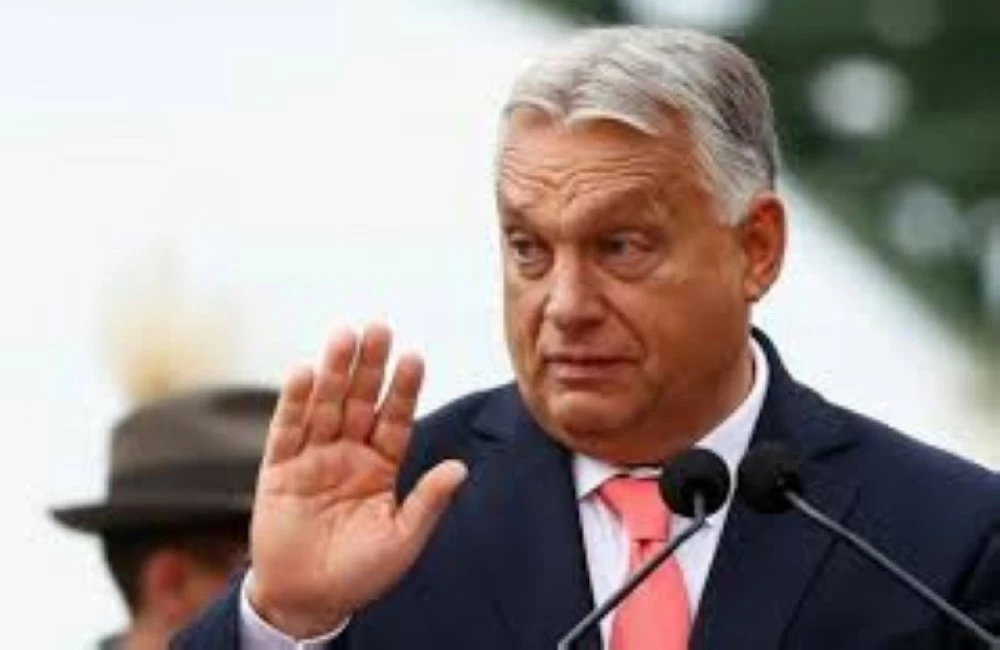
أعلن رئيس الوزراء المجري فيكتور أوربان، أن التطورات في فنزويلا من شأنها أن تفضي إلى وضع أكثر ملاءمة في أسواق الطاقة العالمية.
وقال: «فنزويلا والولايات المتحدة معاً ربما تسيطران على 40 إلى 50% من مخزونات النفط العالمية، مما قد يؤثر بشكل كبير على الأسعار العالمية».
وعلى صعيد التداولات، شهدت أسعار النفط اليوم تقلبات بعدما محت وفرة الإمدادات العالمية أثر المخاوف من اضطراب الإمدادات بسبب احتجاز الولايات المتحدة للرئيس الفنزويلي نيكولاس مادورو، بعد عملية عسكرية في بلاده مطلع الأسبوع.
تعاملات متقلبة
وشهد الخامان الرئيسيان تقلبات في التعاملات الآسيوية المبكرة مع تقييم المستثمرين للاضطرابات السياسية في فنزويلا، العضو في منظمة البلدان المصدرة للبترول «أوبك»، وتأثير ذلك على إمدادات النفط.
وقال الرئيس الأمريكي دونالد ترمب إن واشنطن ستسيطر على الدولة المنتجة للنفط، وأشار إلى أن العقوبات والقيود الأمريكية التي تستهدف النفط الفنزويلي لا تزال سارية بالكامل رغم نقل مادورو لنيويورك واحتجازه هناك.
وفرة المعروض
وفي سوق عالمية تتسم بوفرة المعروض، قال المحللون إن أي اضطراب إضافي لصادرات فنزويلا لن يكون له تأثير فوري يذكر على الأسعار.
وقال الباحث في أحد معاهد البحوث الاقتصادية والتجارية والصناعية الياباني كازوهيكو فوجي: «إن الضربات الأمريكية على فنزويلا لم تضر بصناعة النفط في الدولة الواقعة في أمريكا الجنوبية».
وأضاف: «حتى لو تعطلت الصادرات الفنزويلية مؤقتاً، فإن أكثر من 80% متجهة إلى الصين التي راكمت احتياطيات وفيرة، ومن غير المرجح أن يؤدي البحث عن مصادر بديلة إلى ضغط على السوق».
Hungarian Prime Minister Viktor Orbán announced that developments in Venezuela could lead to a more favorable situation in global energy markets.
He said, "Venezuela and the United States together may control 40 to 50% of global oil reserves, which could significantly impact global prices."
In trading, oil prices experienced fluctuations today after a global supply surplus overshadowed concerns about supply disruptions due to the United States' detention of Venezuelan President Nicolás Maduro following a military operation in his country earlier this week.
Volatile Trading
The two main crude oils saw fluctuations in early Asian trading as investors assessed the political unrest in Venezuela, a member of the Organization of the Petroleum Exporting Countries (OPEC), and its impact on oil supplies.
U.S. President Donald Trump stated that Washington would take control of the oil-producing nation, noting that U.S. sanctions and restrictions targeting Venezuelan oil remain fully in effect despite Maduro's transfer to New York and his detention there.
Supply Abundance
In a global market characterized by supply abundance, analysts said that any additional disruption to Venezuelan exports would not have a significant immediate impact on prices.
Kazuhiro Fuji, a researcher at a Japanese economic, commercial, and industrial research institute, stated, "U.S. strikes on Venezuela have not harmed the oil industry in the South American country."
He added, "Even if Venezuelan exports are temporarily disrupted, more than 80% are headed to China, which has accumulated ample reserves, and it is unlikely that seeking alternative sources will put pressure on the market."