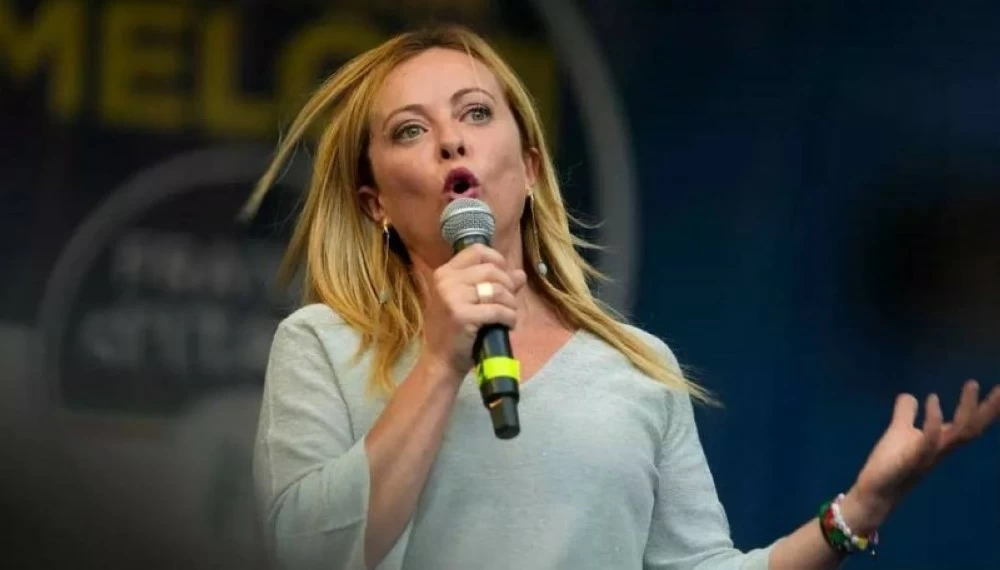
أقرّ البرلمان الإيطالي الموازنة العامة لعام 2026 اليوم، في تصويتٍ جرى في اللحظات الأخيرة عقب خلافات حادة داخل الائتلاف الحاكم بقيادة رئيسة الوزراء جورجيا ميلوني حول هذه الحزمة المثيرة للجدل.
وحصلت الموازنة، التي تركّز على خفض العجز المالي، على موافقة مجلس النواب بأغلبية 216 صوتاً مقابل 126.
وتضمنت الموازنة الجديدة خفضاً طفيفاً في ضريبة الدخل إلى 33% من 35%، وزيادات في الإنفاق بنحو 22 مليار يورو (25.85 مليار دولار)، مع استهداف عجز مالي نسبته 2.8% في عام 2026، مقارنةً بتوقعات حكومية لعجز يبلغ 3% في 2025.
ووصفت «ميلوني» الموازنة المعتمدة بأنها خطوة تهدف إلى بناء إيطاليا أكثر قوةً وتنافسية، وقادرة على التطلع إلى المستقبل بثقة، في حين واجهت الخطة انتقادات حادّة من أحزاب المعارضة التي اعتبرتها تفتقر إلى الرؤية.
خطة تقشف
من جهتها، وصفت زعيمة الحزب الديمقراطي إيلي شلاين، بأنها خطة تقشّف تهدف إلى تحقيق نمو -اقتصادي- صفري.
وفي تدخلٍ مفاجئ قبل عطلة عيد الميلاد وإحالة الموازنة للتصويت في مجلس الشيوخ، قررت حكومة «ميلوني» تخصيص 3.5 مليار يورو إضافية لدعم الشركات والصناعات المتعثرة بهدف تعزيز النمو.
وسيأتي ما يقارب 25% من إجمالي مصادر تمويل الميزانية - أي ما بين 5 و6 مليارات يورو - من ضرائب جديدة على البنوك وشركات التأمين، بالإضافة إلى مضاعفة معدل الضريبة على تحويلات الأسهم والمعاملات المالية الأخرى.
كما سترفع الحكومة الضريبة الثابتة على دخل الأجانب الأثرياء الراغبين في الانتقال إلى إيطاليا بنسبة 50%، لتصل إلى 300 ألف يورو (352.53 ألف دولار) سنوياً.
The Italian Parliament approved the general budget for 2026 today, in a vote that took place at the last moment following intense disagreements within the ruling coalition led by Prime Minister Giorgia Meloni over this controversial package.
The budget, which focuses on reducing the financial deficit, received the approval of the Chamber of Deputies with a majority of 216 votes to 126.
The new budget included a slight reduction in income tax to 33% from 35%, and increased spending of about 22 billion euros ($25.85 billion), targeting a financial deficit of 2.8% in 2026, compared to government forecasts of a 3% deficit in 2025.
Meloni described the approved budget as a step aimed at building a stronger and more competitive Italy, capable of looking to the future with confidence, while the plan faced sharp criticism from opposition parties who deemed it lacking in vision.
Austerity Plan
For her part, the leader of the Democratic Party, Elly Schlein, described it as an austerity plan aimed at achieving zero economic growth.
In a surprising intervention before the Christmas holiday and the referral of the budget for a vote in the Senate, Meloni's government decided to allocate an additional 3.5 billion euros to support struggling businesses and industries in order to boost growth.
Approximately 25% of the total funding sources for the budget—between 5 and 6 billion euros—will come from new taxes on banks and insurance companies, in addition to doubling the tax rate on stock transfers and other financial transactions.
The government will also raise the flat tax on wealthy foreigners wishing to move to Italy by 50%, bringing it to 300,000 euros ($352,530) annually.