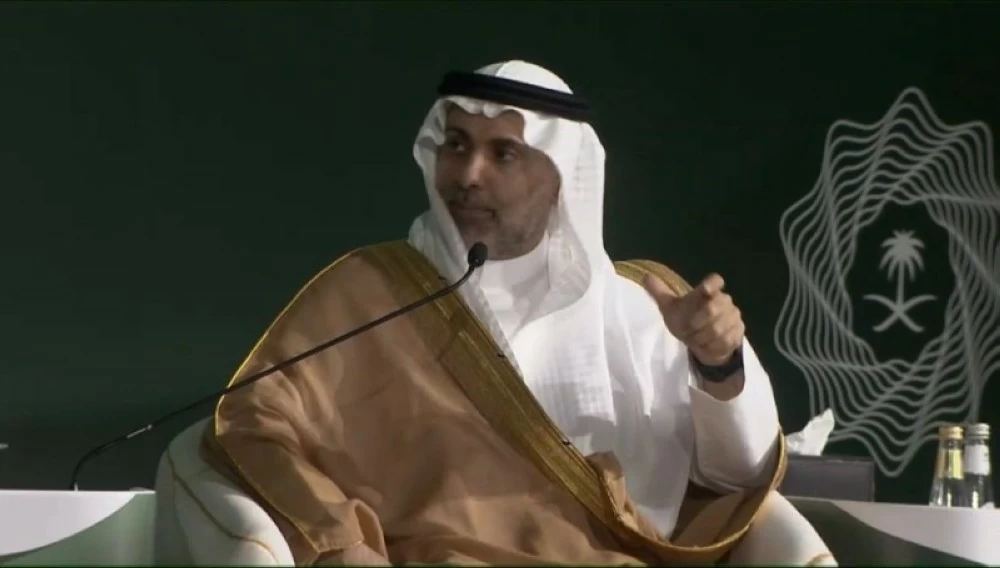
أكد وزير الصحة فهد الجلاجل أن التحول الصحي الذي انطلق منذ عام 2016 أسهم بشكل ملموس في خفض الوفيات الناتجة عن الإصابات غير المقصودة، وتطوير آليات إعداد الميزانية الصحية، مع التركيز على رفع متوسط العمر المتوقع للمواطن وتمكينه من العيش بصحة وأمان، ليكون فردًا منتجًا في الاقتصاد الوطني.
وأوضح الجلاجل أن نموذج الرعاية الصحية الجديد بدأ يحقق نتائج إيجابية، وأنه قادر على توفير قيمة عالية خلال العشرين إلى الثلاثين سنة القادمة، مع التشديد على المحافظة على الإنفاق الصحي عند 5% من الناتج المحلي دون تجاوز، مع تحسين كفاءته لتحقيق أعلى قيمة ممكنة.
وبيّن أن التحول الصحي شمل عدة محاور رئيسية: «إطلاق التجمعات الصحية لتقديم خدمات متكاملة للسكان، تطوير نموذج الدفع مقابل المخرجات لضمان كفاءة الإنفاق، اعتماد نموذج الصحة في جميع السياسات لضمان التوافق مع أهداف الصحة العامة، تركيز كل تجمع صحي على خدمة نحو 1.2 مليون نسمة».
وأضاف الجلاجل أن الأداء في الخدمات الصحية ارتفع من 74% إلى 79.7%، فيما قفزت نسبة الالتزام بالمعايير التشغيلية من 6% إلى أكثر من 90%.
وأوضح أن ساعات العمل في مراكز الرعاية الأولية تم تمديدها حتى الساعة التاسعة مساءً، وفي بعض المناطق إلى 20 ساعة يوميًا، مما ساهم في تقليل الضغط على أقسام الطوارئ، وتمكين المواطنين من الحصول على المواعيد بسهولة ويسر.
كما أشار إلى أن الشراكة مع القطاع الخاص خلقت نماذج عمل جديدة، بارتفاع حجم الاستثمار في المنطقة الصحية الشمالية من 20 مليار ريال إلى 50 مليار ريال، ثم إلى 133 مليار ريال في عام 2025، ما يعكس الثقة المتزايدة في المنظومة الصحية.
وأكد الجلاجل أن تطوير الصناعة الوطنية أسهم في تعزيز الأمن الدوائي، وزيادة المحتوى المحلي، وتحسين ميزان المدفوعات، مشيراً إلى أن المملكة حققت تقدمًا في الصناعة الدوائية بشكل أسرع مما فعلته كوريا خلال 40 عامًا، وهو ما يعكس نجاح استراتيجيات التحول الصحي والاعتماد على الابتكار المحلي.
Health Minister Fahd Al-Jalajel confirmed that the health transformation that began in 2016 has significantly contributed to reducing deaths resulting from unintentional injuries and developing mechanisms for preparing the health budget, with a focus on raising the average life expectancy of citizens and enabling them to live in health and safety, so they can be productive individuals in the national economy.
Al-Jalajel explained that the new healthcare model has started to achieve positive results and is capable of providing high value over the next twenty to thirty years, emphasizing the need to maintain health spending at 5% of GDP without exceeding it, while improving its efficiency to achieve the highest possible value.
He indicated that the health transformation included several main axes: "Launching health clusters to provide integrated services to the population, developing a pay-for-performance model to ensure spending efficiency, adopting a health-in-all-policies model to ensure alignment with public health goals, and focusing each health cluster on serving approximately 1.2 million people."
Al-Jalajel added that performance in health services has increased from 74% to 79.7%, while the adherence rate to operational standards has jumped from 6% to over 90%.
He clarified that working hours in primary care centers have been extended until 9 PM, and in some areas to 20 hours a day, which has helped reduce pressure on emergency departments and enabled citizens to obtain appointments easily and conveniently.
He also pointed out that the partnership with the private sector has created new business models, with the volume of investment in the northern health region rising from 20 billion riyals to 50 billion riyals, and then to 133 billion riyals by 2025, reflecting the increasing confidence in the health system.
Al-Jalajel affirmed that the development of the national industry has contributed to enhancing pharmaceutical security, increasing local content, and improving the balance of payments, noting that the Kingdom has made progress in the pharmaceutical industry faster than Korea did in 40 years, which reflects the success of health transformation strategies and reliance on local innovation.