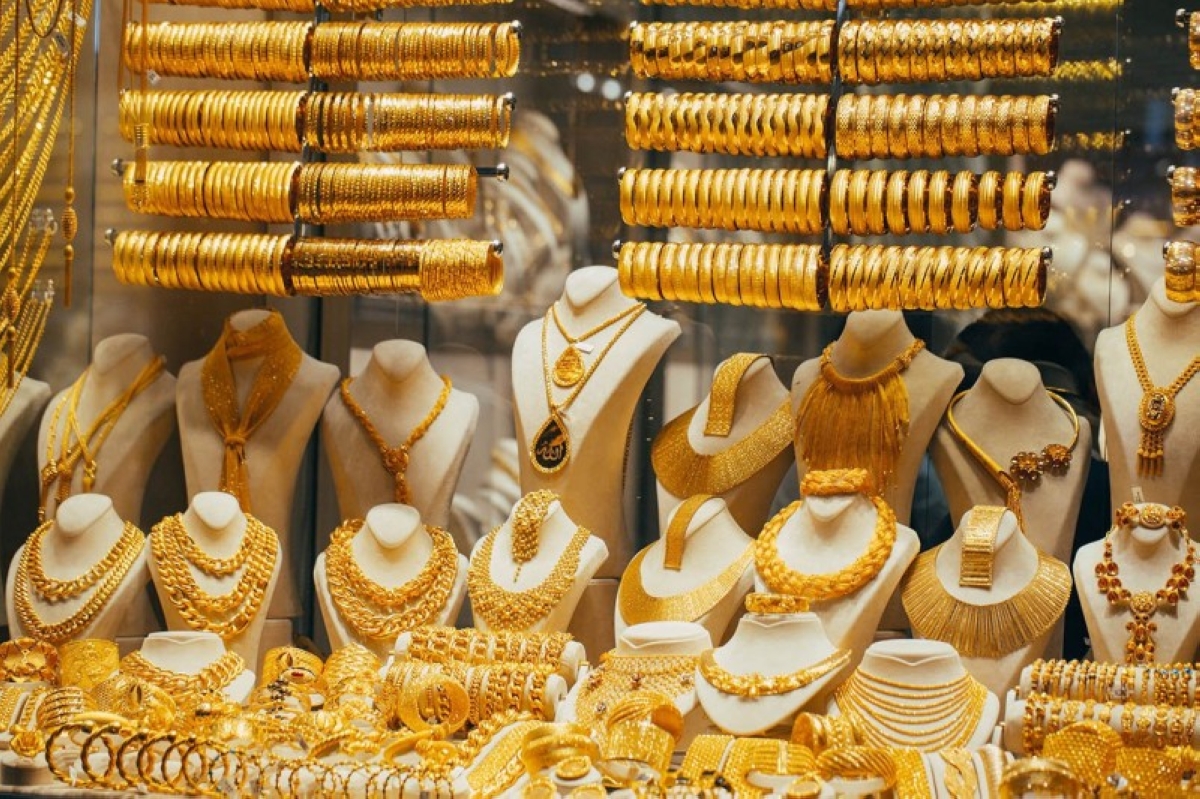
كشفت تقديرات رابطة تجار الذهب والمجوهرات في الهند (IBJA) والمجلس الوطني للمجوهرات (GJC) أن قيمة الذهب المباع خلال أحد المهرجانات، الذي انعقد لمدة 5 أيام، تراوحت بين 700 مليار روبية (8 مليارات دولار) وتريليون روبية (11 مليار دولار).
وأكدت كبرى الهيئات التجارية في قطاع المجوهرات بالهند أن أكثر من 40 طناً من الذهب تم بيعها في يوم واحد فقط، وهو 19 أكتوبر الجاري، الذي يصادف بداية المهرجان، وفقاً لما نقلته شبكة «CNBC»، واطلعت عليه «العربية Business».
تحول في سلوك المستهلكين
وحذر أحد رؤساء إحدى الشركات الشهيرة من نفاد مخزون العملات والسبائك الذهبية بسبب الطلب المتزايد. وأشار إلى أن هذا التحول في سلوك المستهلكين لم يكن مألوفاً قبل سنوات، حيث كان واحد فقط من كل 10 مشترين يفضل الذهب الخام على المجوهرات. لكنه أكد أن مبيعات المجوهرات تراجعت هذا الموسم بنسبة 30% مقارنة بالعام الماضي.
الاندفاع نحو الذهب لم يكن عشوائياً، بل كان مدفوعاً بعوائد استثمارية مغرية. فقد ارتفع سعر الذهب بنسبة 66% حتى منتصف أكتوبر الجاري، قبل أن يتراجع قليلاً ليستقر عند ارتفاع بنسبة 55% حتى الإثنين الماضي. وفي وقت سابق من الشهر، تجاوز سعر الأوقية حاجز 4 آلاف دولار، وسط توقعات بأن يصل إلى 5 آلاف دولار بحلول عام 2026.
ثاني أكبر مستهلك عالمياً
وتحافظ الهند، ثاني أكبر مستهلك للذهب عالمياً بعد الصين، على وتيرة شراء ثابتة مدفوعة بعوامل تقليدية مرتبطة بالمواسم الدينية وحفلات الزفاف، التي تمتد من أكتوبر حتى منتصف يناير، ثم من أبريل إلى مايو من كل عام.
ومع اتجاه البنوك المركزية حول العالم لزيادة مشترياتها من الذهب، ارتفعت الأسعار، ما دفع المستثمرين الأفراد في الهند إلى اقتناص الفرصة خوفاً من تفويت المكاسب.
Estimates from the Indian Bullion and Jewellers Association (IBJA) and the Gem and Jewellery Export Promotion Council (GJC) revealed that the value of gold sold during a festival, which lasted for 5 days, ranged between 700 billion rupees (8 billion dollars) and 1 trillion rupees (11 billion dollars).
Major trade bodies in the jewelry sector in India confirmed that more than 40 tons of gold were sold in just one day, which was October 19, coinciding with the start of the festival, according to a report by CNBC, which was reviewed by Al Arabiya Business.
Shift in Consumer Behavior
One of the heads of a well-known company warned of the depletion of stocks of gold coins and bars due to increasing demand. He noted that this shift in consumer behavior was not common years ago, as only one in ten buyers preferred raw gold over jewelry. However, he confirmed that jewelry sales have decreased this season by 30% compared to last year.
The rush towards gold was not random; it was driven by attractive investment returns. The price of gold rose by 66% until mid-October, before slightly declining to settle at an increase of 55% as of last Monday. Earlier this month, the price of an ounce surpassed the $4,000 mark, with expectations that it could reach $5,000 by 2026.
Second Largest Consumer Globally
India, the second-largest consumer of gold globally after China, maintains a steady purchasing pace driven by traditional factors related to religious seasons and wedding celebrations, which extend from October to mid-January, and then from April to May each year.
With central banks around the world increasing their gold purchases, prices have risen, prompting individual investors in India to seize the opportunity for fear of missing out on gains.