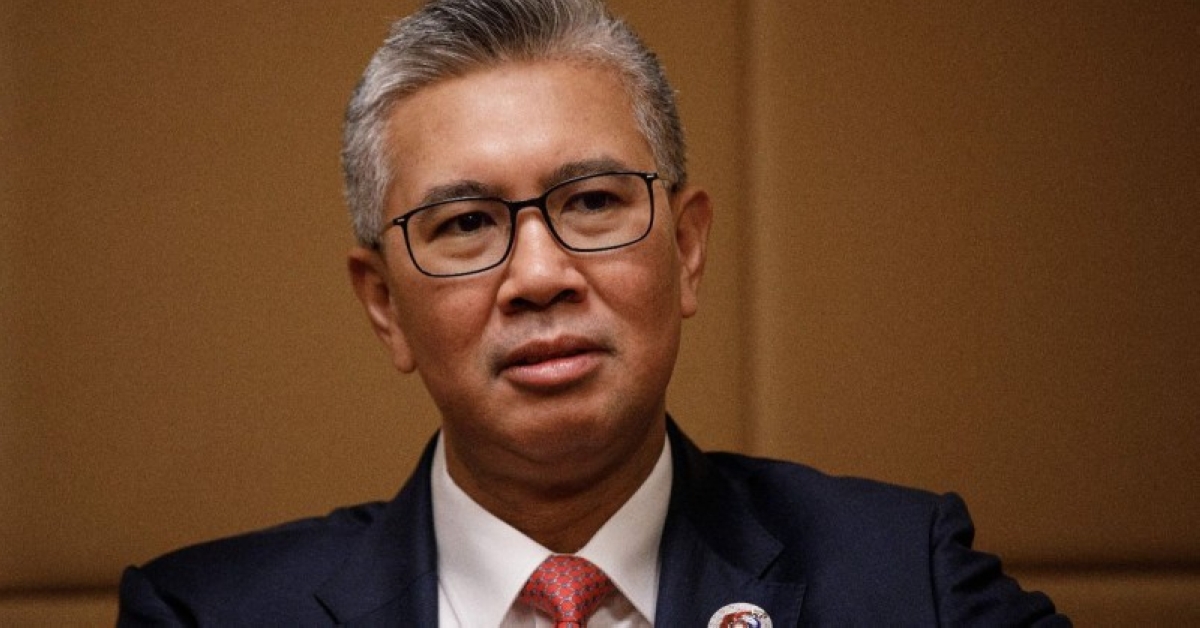
أكد وزير التجارة الماليزي تنكو ظفرول عزيز اليوم أن كوالالمبور حصلت على إعفاءات من الرسوم الجمركية لبعض صادراتها إلى الولايات المتحدة الأمريكية.
وأوضح الوزير أن من بين الصادرات المعفاة زيت النخيل والمطاط والكاكاو ومعدات الطيران والفضاء.
وكان الرئيس الأمريكي دونالد ترمب ورئيس الوزراء الماليزي أنور إبراهيم قد وقعا اتفاقاً تجارياً يعزز وصول الولايات المتحدة إلى المعادن النادرة في وقت تشدد الصين الضوابط عليها.
رسوم جمركية
وأعلنت بكين هذا الشهر قيوداً واسعة النطاق على قطاع المعادن الأرضية النادرة، ما دفع ترمب للتهديد برسوم جمركية نسبتها 100% على الواردات من الصين رداً على الخطوة.
ويزور ترمب كوالالمبور في إطار قمة رابطة دول جنوب شرق آسيا (آسيان) قبيل اجتماع مرتقب الخميس القادم مع الرئيس الصيني شي جين بينغ.
اتفاق مبدئي
من ناحيته، أعلن وزير الخزانة الأمريكي سكوت بيسنت التوصل إلى اتفاق مبدئي مع الصين يقضي بتأجيل القيود المفروضة على صادرات المعادن النادرة واستئناف شراء فول الصويا الأمريكي؛ ما يسهم في تجنب تصعيد تجاري جديد بين البلدين.
وأوضح بيسنت أن الصين وافقت على تأجيل تطبيق القيود لمدة عام لإعادة دراستها، كما تعهدت بإجراء مشتريات زراعية «كبيرة» من الولايات المتحدة، وذلك عقب محادثات جمعته بنائب رئيس الوزراء الصيني هي ليفينغ في كوالالمبور.
The Malaysian Minister of Trade, Tengku Zafrul Aziz, confirmed today that Kuala Lumpur has received exemptions from customs duties for some of its exports to the United States.
The minister explained that among the exempted exports are palm oil, rubber, cocoa, and aerospace equipment.
U.S. President Donald Trump and Malaysian Prime Minister Anwar Ibrahim had signed a trade agreement that enhances U.S. access to rare minerals at a time when China is tightening controls on them.
Customs Duties
Beijing announced this month extensive restrictions on the rare earth minerals sector, prompting Trump to threaten a 100% tariff on imports from China in response to the move.
Trump is visiting Kuala Lumpur as part of the ASEAN (Association of Southeast Asian Nations) summit ahead of a scheduled meeting next Thursday with Chinese President Xi Jinping.
Preliminary Agreement
For his part, U.S. Treasury Secretary Scott Pessen announced a preliminary agreement with China to postpone the restrictions imposed on rare mineral exports and to resume purchases of U.S. soybeans; this contributes to avoiding a new trade escalation between the two countries.
Pessen explained that China agreed to postpone the implementation of the restrictions for a year for further review, and it committed to making "significant" agricultural purchases from the United States, following talks he had with Chinese Vice Premier He Lifeng in Kuala Lumpur.