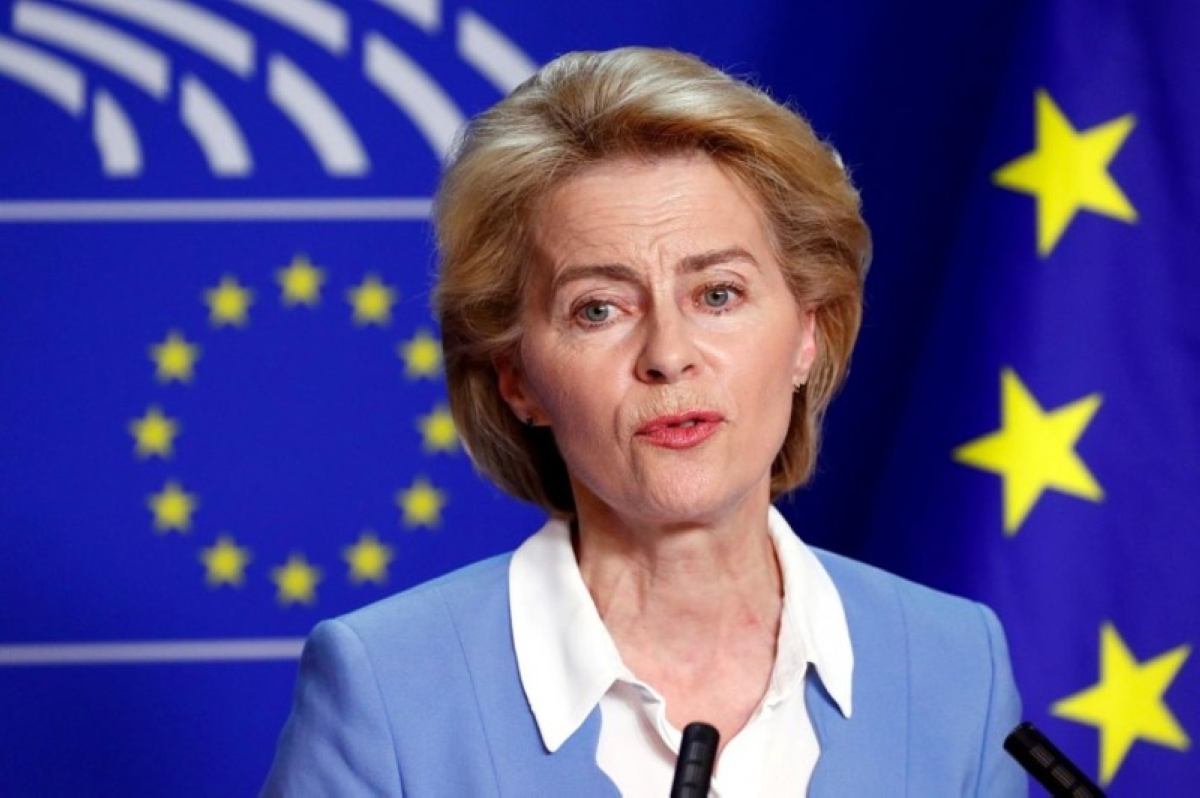
أعلنت رئيسة المفوضية الأوروبية أورسولا فون دير لاين اليوم أن الاتحاد الأوروبي يضع خطة جديدة للحد من اعتماده على المواد الخام الحيوية من الصين، وانتقدت بكين بسبب القيود الموسعة على تصدير المواد الأرضية النادرة.
وقالت فون دير لاين في مؤتمر في برلين: «إن الاتحاد الأوروبي سيسعى إلى تسريع شراكات المواد الخام الحيوية مع دول مثل أستراليا وكندا وتشيلي وجرينلاند وقازاخستان وأوزبكستان وأوكرانيا».
وقالت: «إن الخطة ستشمل أيضاً جهوداً أكبر لإعادة تدوير المواد الخام المهمة في المنتجات التي تباع في أوروبا».
مصادر بديلة
وأوضحت أن «الهدف هو الحصول على مصادر بديلة للمواد الخام الحيوية على المدى القصير والمتوسط والطويل لصناعاتنا الأوروبية».
وأضافت: «إن المخطط، المسمى ريسورس إي.يو، سيكون مشابهاً لخطة وضعها الاتحاد الأوروبي بعد غزو موسكو لأوكرانيا عام 2022 لخفض اعتماده على الطاقة الروسية، المعروفة باسم ريباور إي.يو، وسنركز على كل شيء من الشراء المشترك إلى التخزين، وسنعزز الاستثمار في المشاريع الاستراتيجية لإنتاج ومعالجة المواد الخام الحيوية هنا في الاتحاد الأوروبي».
لكن فون دير لاين ذكرت أن القيود لها أيضاً تأثير كبير على أوروبا في القطاعات الصناعية، ومنها السيارات والدفاع والفضاء وشرائح الذكاء الاصطناعي ومراكز البيانات.
European Commission President Ursula von der Leyen announced today that the European Union is putting together a new plan to reduce its dependence on critical raw materials from China, criticizing Beijing for its expanded restrictions on the export of rare earth materials.
Von der Leyen said at a conference in Berlin: "The EU will seek to accelerate partnerships for critical raw materials with countries such as Australia, Canada, Chile, Greenland, Kazakhstan, Uzbekistan, and Ukraine."
She added: "The plan will also include greater efforts to recycle important raw materials in products sold in Europe."
Alternative Sources
She explained that "the goal is to obtain alternative sources of critical raw materials in the short, medium, and long term for our European industries."
She added: "The scheme, called Resource EU, will be similar to a plan put in place by the EU after Moscow's invasion of Ukraine in 2022 to reduce its dependence on Russian energy, known as RePower EU, and we will focus on everything from joint purchasing to storage, and we will enhance investment in strategic projects to produce and process critical raw materials here in the EU."
However, von der Leyen noted that the restrictions also have a significant impact on Europe in industrial sectors, including automotive, defense, aerospace, artificial intelligence chips, and data centers.