تابع قناة عكاظ على الواتساب
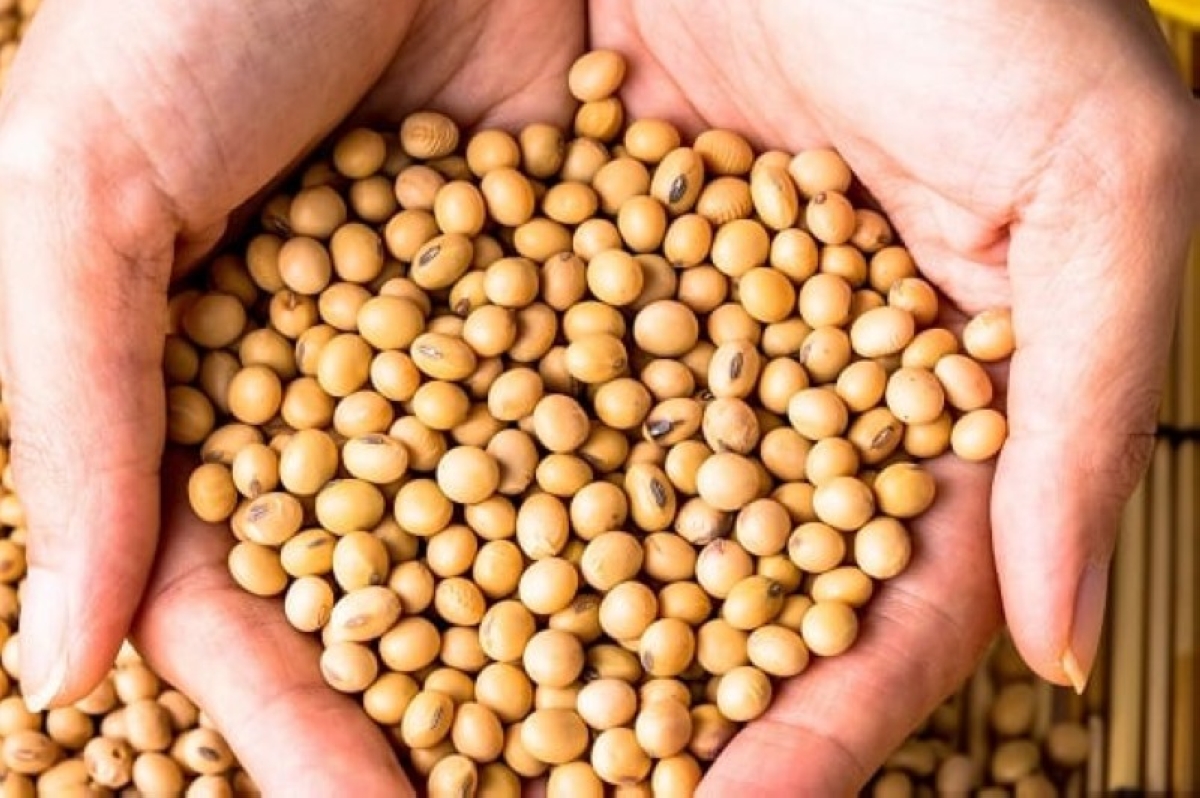
أظهرت بيانات حكومية في الصين أن بكين لم تستورد فول الصويا من الولايات المتحدة في سبتمبر، وهي المرة الأولى منذ نوفمبر 2018 التي تنخفض فيها الشحنات إلى الصفر.
وكان ترمب قد اعتبر أن قرار مستوردي فول الصويا الصينيين التوقف عن شراء فول الصويا من الولايات المتّحدة بمثابة «عمل عدائي اقتصادي» يضرّ بالمزارعين الأمريكيين.
وأدرج الرئيس دونالد ترمب المعادن النادرة والفنتانيل وفول الصويا على رأس قائمة القضايا الرئيسية للولايات المتحدة مع الصين قبيل عودة الجانبين إلى طاولة المفاوضات مع اقتراب انتهاء الهدنة التجارية.
فرض رسوم
وكانت الصين قد أوقفت بالكامل وارداتها من فول الصويا الأمريكي منذ مايو 2025، بعد أن بلغت مشترياتها في العام السابق نحو 12.6 مليار دولار، بما يعادل 52% من إجمالي الصادرات الأمريكية من المحصول، على خلفية فرض رسوم جمركية متبادلة بين البلدين، بحسب بيانات رسمية لوزارة الزراعة الأمريكية، اطلعت عليها «العربية Business».
رفع الواردات
وفي أبريل الماضي، رفعت بكين الرسوم الجمركية على واردات الصويا الأمريكية إلى أكثر من 80%، مقابل 34% سابقاً، في رد مباشر على قرارات الرئيس الأمريكي دونالد ترمب برفع الرسوم على السلع الصينية إلى مستويات تجاوزت 100%.
يُذكر أن الموسم التسويقي لفول الصويا في الولايات المتحدة يبدأ في الأول من سبتمبر من كل عام ويستمر حتى نهاية أغسطس من العام التالي، وفق بيانات وزارة الزراعة الأمريكية.
Government data in China showed that Beijing did not import soybeans from the United States in September, marking the first time since November 2018 that shipments have dropped to zero.
Trump had considered the decision of Chinese soybean importers to stop buying soybeans from the United States as an "economic hostile act" that harms American farmers.
President Donald Trump listed rare earth metals, fentanyl, and soybeans at the top of the key issues for the United States with China ahead of both sides returning to the negotiating table as the trade truce nears its end.
Imposing Tariffs
China had completely halted its imports of American soybeans since May 2025, after its purchases in the previous year reached about $12.6 billion, equivalent to 52% of total U.S. exports of the crop, against the backdrop of reciprocal tariffs imposed between the two countries, according to official data from the U.S. Department of Agriculture, which "Al Arabiya Business" reviewed.
Increasing Imports
Last April, Beijing raised tariffs on imports of American soybeans to over 80%, up from 34% previously, in direct response to U.S. President Donald Trump's decisions to raise tariffs on Chinese goods to levels exceeding 100%.
It is worth noting that the marketing season for soybeans in the United States begins on September 1 of each year and continues until the end of August of the following year, according to data from the U.S. Department of Agriculture.