تابع قناة عكاظ على الواتساب
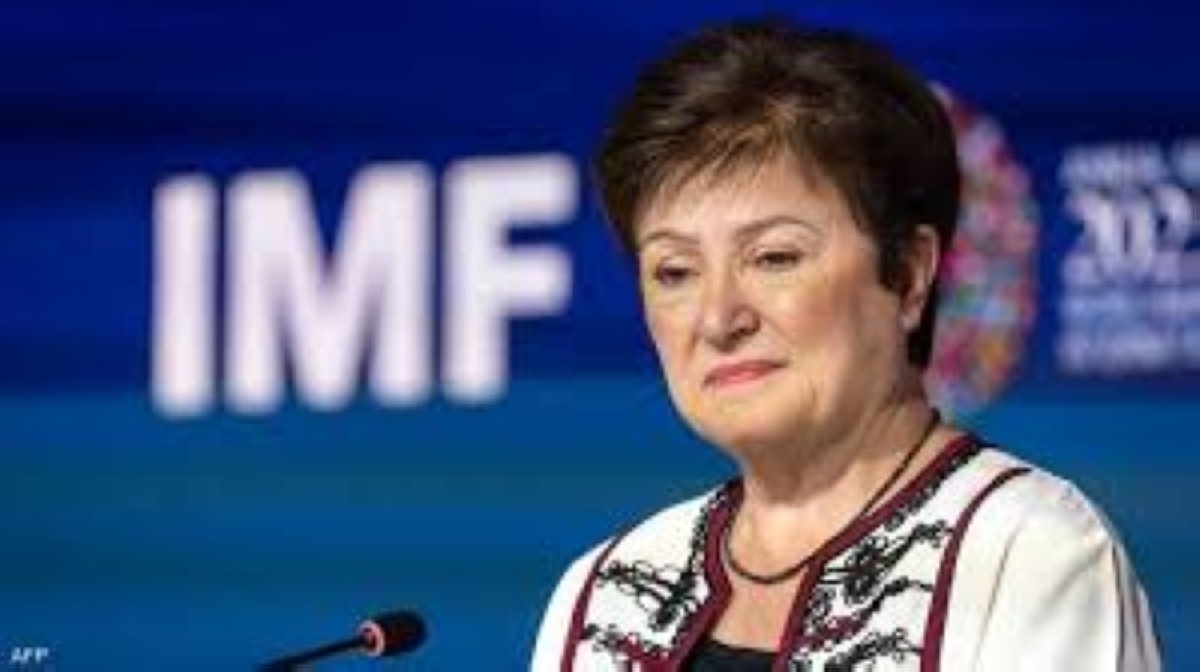
أعلنت المديرة العامة لصندوق النقد الدولي كريستالينا غورغييفا أنها تأمل في توصل الولايات المتحدة والصين إلى اتفاق يجنب وقف تدفق المعادن الإستراتيجية إلى الاقتصاد العالمي، مضيفة أن القيود سيكون لها «تأثير ملموس» على النمو.
وقالت غورغييفا في مؤتمر صحفي خلال الاجتماعات السنوية لصندوق النقد والبنك الدولي في واشنطن إن سيناريو توقف تدفق هذه المعادن سيؤدي إلى تفاقم حالة عدم اليقين ويضر بصورة النمو العالمي الضعيفة بالفعل.
وأوضحت قائلة: «لا يزال هناك أيضاً شعور بالقلق، لأن أداء الاقتصاد العالمي أقل مما نحتاج إليه، ولأن هناك سحابة مظلمة للغاية من عدم اليقين لا تزال تخيم على رؤوسنا، وأصبح عدم اليقين هذا هو الوضع الطبيعي الجديد الآن».
قيود واسعة
وتزايدت التوترات بين بكين وواشنطن في الأسابيع الأخيرة بعدما فرضت الصين قيوداً واسعة على صادرات المعادن النادرة.
وتنص القواعد الصينية الجديدة على وجوب حصول الشركات الأجنبية على موافقة بكين قبل تصدير أي منتجات تحتوي حتى على كميات ضئيلة من المعادن النادرة ذات المنشأ الصيني.
The Managing Director of the International Monetary Fund, Kristalina Georgieva, announced that she hopes the United States and China will reach an agreement that avoids halting the flow of strategic metals to the global economy, adding that the restrictions would have a "significant impact" on growth.
Georgieva said in a press conference during the annual meetings of the IMF and World Bank in Washington that a scenario where the flow of these metals stops would exacerbate the uncertainty and harm the already weak picture of global growth.
She explained, saying: "There is still a sense of concern, as global economic performance is below what we need, and because there is a very dark cloud of uncertainty still hanging over us, this uncertainty has now become the new normal."
Widespread Restrictions
Tensions between Beijing and Washington have increased in recent weeks after China imposed widespread restrictions on rare metal exports.
The new Chinese rules stipulate that foreign companies must obtain approval from Beijing before exporting any products that contain even small amounts of rare metals of Chinese origin.