حين كان صندوق النقد الدولي يصدر تقريره الفصلي الأخير حول تباطؤ النمو العالمي، كانت الأحداث التجارية على أرض الواقع ترسم صورة أكثر اضطرابًا بكثير مما تحمله الأرقام. ففي صباح أمس (الثلاثاء)، دخلت رسوم جمركية أمركية جديدة حيّز التنفيذ، استهدفت قطاعات أساسية مثل الأخشاب، الأثاث، والخزائن المطبخية. وستؤدي هذه الخطوة على الأرجح إلى ارتفاع ملحوظ في تكلفة البناء السكني في الولايات المتحدة، في وقت يعاني فيه قطاع الإسكان من تقلبات عنيفة أصلًا.
لكن ذلك لم يكن سوى جزء من مشهد أكثر تعقيدًا، إذ بدأ أيضًا تنفيذ رسوم دخول جديدة على السفن التجارية المتبادلة بين الولايات المتحدة والصين، في تصعيد يعكس عمق التوتر بين أكبر اقتصادين في العالم.
في المقابل، صعّدت بكين هي الأخرى، وأعلنت فرض قيود مشددة على تصدير المعادن النادرة، وهي مواد حيوية لصناعة الإلكترونيات الدقيقة، والهواتف الذكية، وتوربينات الرياح، وحتى البطاريات الكهربائية. كما أدرجت خمس شركات أمريكية تابعة لمجموعة «هانوا» الكورية على قائمتها السوداء، متهمة إياها بدعم التحركات الأمريكية في قطاع بناء السفن.
ويقول البروفيسور ريتشارد بورتس من كلية لندن للأعمال إن «العلاقة التجارية بين واشنطن وبكين تعيش حالة من التقلّب الشديد، ومن الصعب جدًا التنبؤ بما يمكن أن يحدث غدًا».
أوروبا تتأثر.. وبريطانيا تدفع الثمن
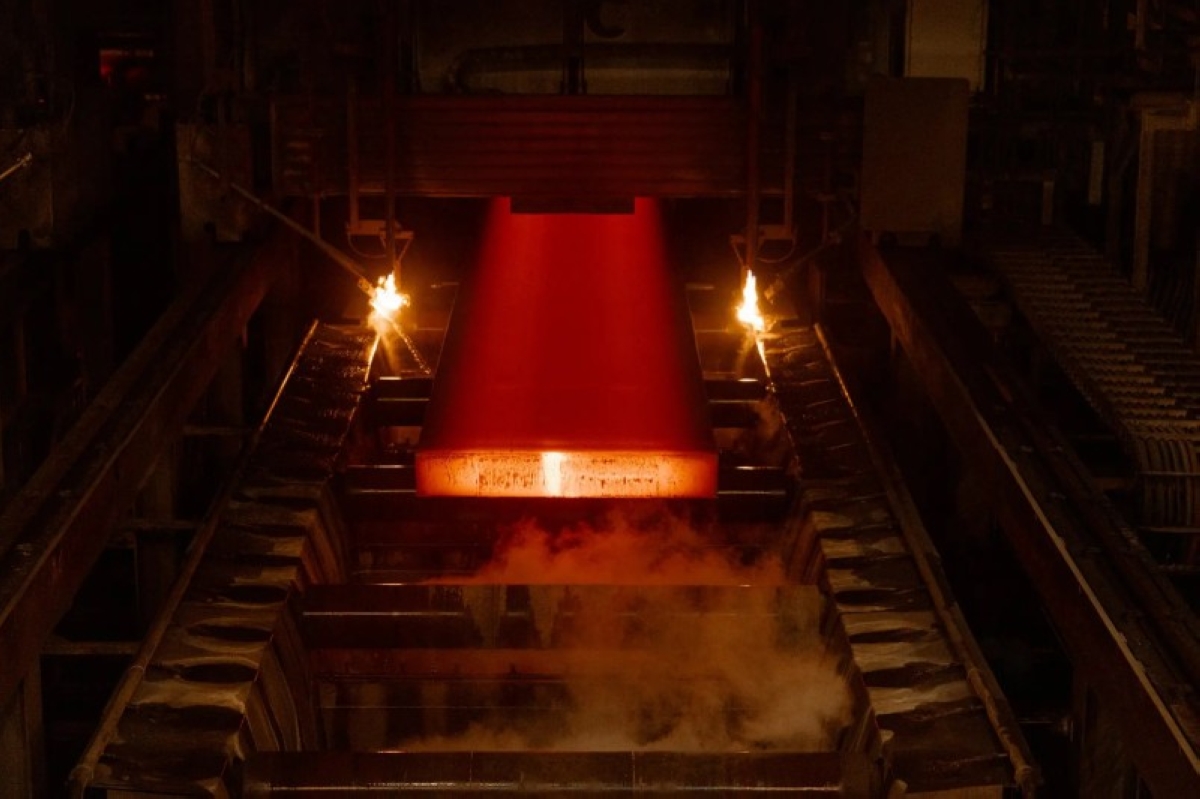
الارتدادات لم تقتصر على الولايات المتحدة والصين. فالاتحاد الأوروبي دخل على خط المواجهة بفرض رسوم ضخمة وصلت إلى 50% على واردات الصلب من الصين، في خطوة تهدف لمواجهة ما تعتبره بروكسل «إغراقًا صينيًا» بأسعار غير عادلة. والمفارقة أن هذا القرار، رغم أنه موجّه للصين، أصاب بريطانيا في مقتل، حيث يذهب نحو 80% من صادراتها من الصلب إلى الاتحاد الأوروبي، ما يهدد مستقبل صناعة حيوية ما زالت تحاول التعافي من تداعيات خروج بريطانيا من الاتحاد.
وفي القارة الأمريكية، خضعت المكسيك لضغوط أمريكية مكثفة، واقترحت فرض رسوم بنسبة 50% على السيارات الصينية، رغم كونها واحدة من أكبر الأسواق لهذه المنتجات في العالم. واعتُبر هذا التحرك رضوخًا مباشرًا لسياسات البيت الأبيض، ويشير إلى أن بعض الدول المحايدة لم تعد قادرة على التزام الحياد.
أما الهند، التي فُرضت عليها تعرفة أمريكية بسبب استمرارها في استيراد النفط الروسي، فقد بدأت فعليًا بالتحوّل شرقًا. وزيارة رئيس الوزراء ناريندرا مودي إلى الصين في أغسطس، وهي الأولى منذ سبع سنوات، جاءت كرسالة سياسية واضحة: نيودلهي لن تقف مكتوفة الأيدي أمام الابتزاز الاقتصادي.
تغيرات في موازين القوى العالمية
منذ وصول ترمب إلى البيت الأبيض، أصبحت التغيرات في السياسات التجارية تأتي إما بسرعة مفاجئة أو بتباطؤ مُربك، لكن نتيجتها واحدة: عدم الاستقرار.
ولم تقتصر الإجراءات الحمائية على أمريكا أو أوروبا. فدول مثل البرازيل وكندا بدأت بدورها بفرض قيود جمركية لحماية صناعتها الوطنية من تقلبات السوق العالمية. وهذا التوجه العام نحو الحمائية الاقتصادية قد يغير قواعد اللعبة التي حكمت التجارة العالمية لعقود.
ورغم هذه التحركات، يرى بعض الخبراء أن الترابط العميق بين الاقتصادات العالمية سيمنع انفصالها الكامل. وفي هذا الإطار تقول البروفيسورة لوكريتسيا رايشلين من كلية لندن للأعمال: «الاقتصاد العالمي سيبقى متكاملاً، حتى إن تغيّر مركز ثقله باتجاه آسيا».
إلا أن حالة الغموض الشديد تبقى العامل الأكثر تأثيرًا في هذه المرحلة. وبينما تمتلك الصين أهدافًا طويلة الأمد وسياسات واضحة، فإن إدارة ترمب -بحسب مراقبين- لا تزال تتنقل بين قرارات مرتجلة وأهداف غير مستقرة، ما يزرع حالة من الذعر في الأسواق العالمية.
وفي المحصلة، قد لا تكون الحرب التجارية مجرد نزاع بين عملاقين اقتصاديين، بل مقدمة لتغيرات بنيوية تطال النظام التجاري العالمي بأسره.
When the International Monetary Fund released its latest quarterly report on the slowdown of global growth, the real-world trade events painted a much more turbulent picture than the numbers suggested. Yesterday morning (Tuesday), new U.S. tariffs came into effect, targeting key sectors such as lumber, furniture, and kitchen cabinets. This step is likely to lead to a noticeable increase in residential construction costs in the United States, at a time when the housing sector is already suffering from violent fluctuations.
However, this was just part of a more complex scene, as new entry tariffs on commercial ships exchanged between the United States and China also began to be implemented, in an escalation that reflects the depth of tension between the world’s two largest economies.
In response, Beijing also escalated, announcing strict restrictions on the export of rare metals, which are vital for the production of microelectronics, smartphones, wind turbines, and even electric batteries. It also blacklisted five American companies affiliated with the Korean group "Hanwha," accusing them of supporting U.S. moves in the shipbuilding sector.
Professor Richard Portes from the London Business School states, "The trade relationship between Washington and Beijing is experiencing extreme volatility, and it is very difficult to predict what might happen tomorrow."
Europe is Affected.. and Britain Pays the Price
The repercussions were not limited to the United States and China. The European Union entered the fray by imposing hefty tariffs of up to 50% on steel imports from China, in a move aimed at countering what Brussels considers "Chinese dumping" at unfair prices. Ironically, this decision, although directed at China, has hit Britain hard, as about 80% of its steel exports go to the EU, threatening the future of a vital industry that is still trying to recover from the fallout of Brexit.
In the Americas, Mexico faced intense U.S. pressure and proposed imposing a 50% tariff on Chinese cars, despite being one of the largest markets for these products in the world. This move was seen as a direct capitulation to White House policies, indicating that some neutral countries can no longer maintain their neutrality.
As for India, which faced U.S. tariffs due to its continued import of Russian oil, it has already begun to pivot eastward. Prime Minister Narendra Modi's visit to China in August, his first in seven years, came as a clear political message: New Delhi will not stand idly by in the face of economic coercion.
Changes in Global Power Dynamics
Since Trump's arrival in the White House, changes in trade policies have either come with surprising speed or confusing delays, but the result is the same: instability.
Protectionist measures have not been limited to the U.S. or Europe. Countries like Brazil and Canada have also begun imposing tariff restrictions to protect their national industries from global market fluctuations. This general trend towards economic protectionism could change the rules of the game that have governed global trade for decades.
Despite these moves, some experts believe that the deep interconnection between global economies will prevent a complete separation. In this context, Professor Lucrezia Reichlin from the London Business School states, "The global economy will remain integrated, even if its center of gravity shifts towards Asia."
However, the prevailing state of extreme uncertainty remains the most influential factor at this stage. While China has long-term goals and clear policies, the Trump administration - according to observers - continues to oscillate between haphazard decisions and unstable objectives, sowing panic in global markets.
Ultimately, the trade war may not just be a dispute between two economic giants, but a precursor to structural changes affecting the entire global trading system.