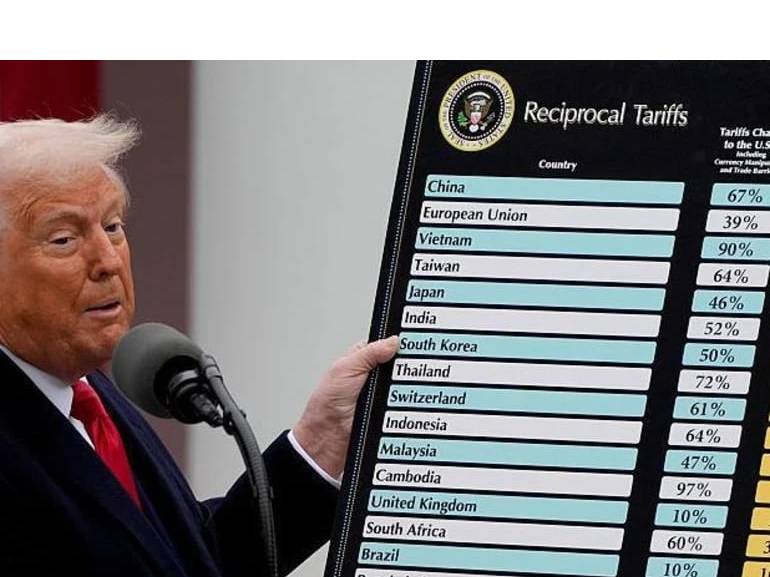
منذ عودة الرئيس الأمريكي دونالد ترمب إلى منصبه، قاد حربًا تجارية عالمية غير مسبوقة، فرض خلالها رسومًا جمركية قاسية على صادرات معظم الدول إلى الولايات المتحدة. وأحدث تطور في هذه الحرب كان يوم أمس (الجمعة) حينما أصدرت محكمة استئناف فيدرالية قرارًا يؤكد أن العديد من الرسوم الجمركية التي فرضها ترمب كانت غير قانونية، وذلك استنادًا إلى قانون الطوارئ الاقتصادية الدولية. إلا أن المحكمة منحت الإدارة الأمريكية مهلة حتى منتصف أكتوبر المقبل للطعن أمام المحكمة العليا.
وكانت الإدارة الأمريكية عمدت إلى إضافة رسوم جديدة على دول مثل الهند التي وصلت رسومها إلى 50% في خطوة عقابية بسبب شراء النفط الروسي. كما ألغت الإدارة الأمريكية الاستثناء المعروف بـ «de minimis» الذي كان يسمح للأمريكيين بشراء السلع الأجنبية بقيمة أقل من 800 دولار دون دفع رسوم.
ويبدو أن الرئيس الأمريكي الذي يراهن على أن هذه الرسوم يمكن أن تعيد ترتيب النظام التجاري العالمي وتزيد الإيرادات الفيدرالية، يواجه تحديات اقتصادية كبيرة. فبينما تسعى بعض الدول لعقد اتفاقيات تجارية لتحسين وضعها، مثل اتفاقها مع الاتحاد الأوروبي وكوريا الجنوبية، فإن الرسوم الجمركية المرتفعة تهدد بتعطيل سلاسل الإمداد العالمية وزيادة الأسعار على الشركات والمستهلكين الأمريكيين.
إلى جانب الرسوم الجديدة، يهدد ترمب بفرض رسوم على الصناعات الحيوية مثل أشباه الموصلات والأدوية، في محاولة لزيادة الإنتاج المحلي. لكن ما إذا كانت هذه السياسات ستنجح تبقى مسألة مفتوحة، وتأثيراتها على الاقتصاد الأمريكي والعالمي لا تزال غير واضحة.
Since the return of U.S. President Donald Trump to office, he has led an unprecedented global trade war, during which he imposed harsh tariffs on the exports of most countries to the United States. The latest development in this war occurred yesterday (Friday) when a federal appeals court issued a ruling affirming that many of the tariffs imposed by Trump were illegal, based on the International Economic Emergency Powers Act. However, the court granted the U.S. administration a deadline until mid-October to appeal to the Supreme Court.
The U.S. administration had also added new tariffs on countries like India, where the tariffs reached 50% as a punitive measure for purchasing Russian oil. Additionally, the U.S. administration canceled the exemption known as "de minimis," which allowed Americans to purchase foreign goods valued at less than $800 without paying tariffs.
It seems that the U.S. president, who bets that these tariffs can rearrange the global trade system and increase federal revenues, is facing significant economic challenges. While some countries are seeking to enter trade agreements to improve their situation, such as their agreements with the European Union and South Korea, the high tariffs threaten to disrupt global supply chains and increase prices for American companies and consumers.
Alongside the new tariffs, Trump threatens to impose tariffs on vital industries such as semiconductors and pharmaceuticals, in an attempt to boost domestic production. However, whether these policies will succeed remains an open question, and their effects on the U.S. and global economy are still unclear.