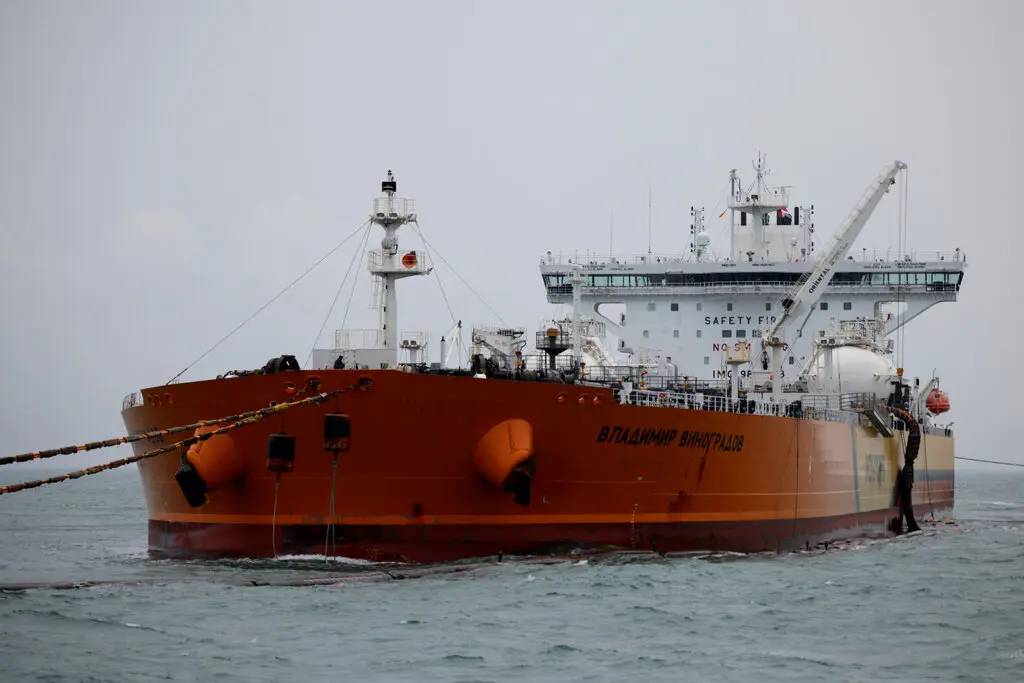
تفاقمت الأزمة التجارية بين الولايات المتحدة الأمريكية والهند بعدما اتهم الرئيس الأمريكي دونالد ترمب نيودلهي بدعم روسيا في حربها ضد أوكرانيا عبر شراء كميات ضخمة من النفط الروسي بأسعار مخفضة، ما دفعه إلى فرض رسوم جمركية إضافية على الواردات الهندية.
ففي الـ6 من أغسطس، أصدر ترمب أمرًا تنفيذيًا يقضي بفرض رسوم بنسبة 25% على السلع الهندية، تُضاف إلى 25% سابقة، لترتفع النسبة الإجمالية إلى 50%، وهي من بين أعلى المعدلات الجمركية التي تطبقها واشنطن على أي دولة في العالم.
الهند التي كانت تستورد 0.2% فقط من حاجاتها النفطية من روسيا قبل الحرب الأوكرانية عام 2022، أصبحت اليوم ثاني أكبر مشترٍ للخام الروسي بعد الصين، بمتوسط يتجاوز مليوني برميل يوميًا أي نحو 45% من وارداتها. هذا التحول حوّل روسيا إلى المورد الأول للهند، وعزّز أرباح شركات التكرير الهندية مثل مجموعة «ريلاينس» التي تستفيد من تصدير المشتقات المكررة إلى أوروبا.
وترى واشنطن أن استمرار الهند في استيراد النفط الروسي يقوّض العقوبات الغربية المفروضة على موسكو، بينما تعتبر نيودلهي الخطوة الأمريكية «غير مبررة» وتؤكد حاجتها الماسّة للطاقة الرخيصة لتلبية متطلبات اقتصادها متسارع النمو.
The trade crisis between the United States and India has escalated after U.S. President Donald Trump accused New Delhi of supporting Russia in its war against Ukraine by purchasing large quantities of Russian oil at discounted prices, prompting him to impose additional tariffs on Indian imports.
On August 6, Trump issued an executive order imposing a 25% tariff on Indian goods, added to a previous 25%, raising the total rate to 50%, which is among the highest tariff rates applied by Washington on any country in the world.
India, which imported only 0.2% of its oil needs from Russia before the Ukrainian war in 2022, has now become the second-largest buyer of Russian crude after China, with an average exceeding two million barrels per day, accounting for about 45% of its imports. This shift has turned Russia into India's primary supplier and boosted the profits of Indian refining companies like the Reliance Group, which benefit from exporting refined products to Europe.
Washington sees India's continued import of Russian oil as undermining the Western sanctions imposed on Moscow, while New Delhi considers the U.S. move "unjustified" and emphasizes its urgent need for cheap energy to meet the demands of its rapidly growing economy.