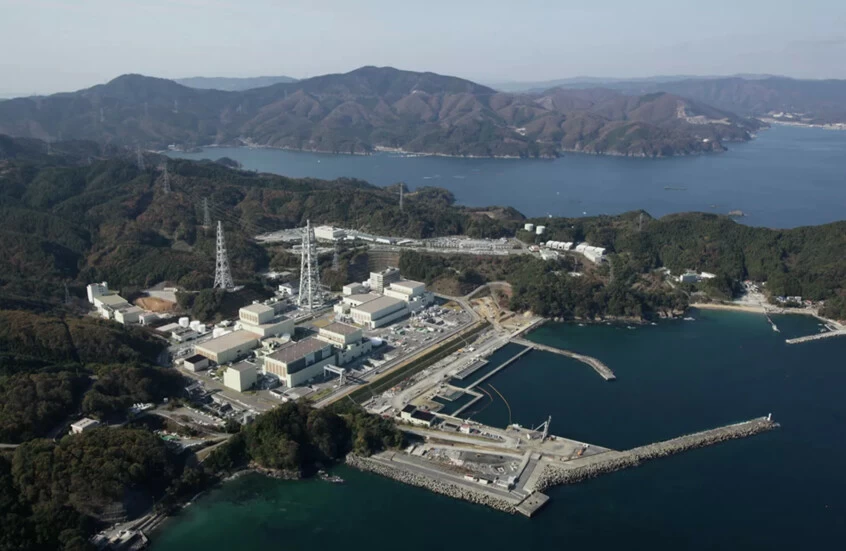
استنفرت الأطقم الفنية في محطة "أوناغاوا" عقب رصد تسرب لسائل يحتوي على مواد مشعة داخل وحدة التوليد الثانية؛ الحادثة التي وقعت في منشأة عريقة ترصع الساحل الشمالي لجزيرة هونشو على بعد 330 كيلومتراً شمال شرق العاصمة طوكيو، وتخدم البلاد منذ عام 1984.
القصة بدأت خلال ساعات النهار، عندما رصد مهندسو شركة "توهوكو إلكتريك باور" (Tohoku Electric Power) المشغلة للمحطة، خللاً في قسم التوربينات. وبالمعاينة الدقيقة، تبين أن السائل المشع ينساب ببطء عبر شقّ دقيق في خزان تصريف مضخة المكثف. ولحسن الحظ، فإن المفاعل كان في حالة توقف تام عن التشغيل لحظة اكتشاف هذا الشرخ، مما حال دون تفاقم الوضع.
طمأنة بيئية وعزل كامل
أمام المخاوف الشعبية التي تثيرها مثل هذه الأنباء عادة في اليابان، سارعت الشركة المشغلة لإصدار بيان توضيحي حاسم بطابع تطميني، مؤكدة أن السائل المتسرب جرى احتواؤه بالكامل ولم يتخطَّ الجدران الداخلية للمبنى، مشددة على عدم تسجيل أي تأثيرات بيئية أو إشعاعية على المناطق المحيطة بالمحطة.
مفارقة "الزلزال".. تزامن مرعب دون رابط
اللافت في كواليس الحادثة، هو حالة الذعر المؤقتة التي سادت المنطقة؛ إذ بعد ساعات قليلة من رصد التسرب وتحديداً في وقت متأخر من المساء، ضرب زلزال قوي بلغت قوته 6.3 درجة على مقياس ريختر المحافظة ذاتها (ميياغي).
هذا التزامن المرعب دفع الشركة إلى الخروج بنفي قاطع لأي ارتباط بين الخلل الفني والهزة الأرضية، مؤكدة أن الشرخ والتسرب وقَعا قبل الهزة بصورة مستقلة تماماً، وأن أنظمة السلامة في المحطة صمدت أمام الهزة اللاحقة دون تسجيل أضرار جديدة، ليبقى الحادث تحت السيطرة الفنية الكاملة.
The technical teams at the "Onagawa" plant were mobilized after detecting a leak of liquid containing radioactive materials inside the second generation unit; the incident occurred at a prestigious facility adorning the northern coast of Honshu Island, located 330 kilometers northeast of the capital Tokyo, serving the country since 1984.
The story began during daylight hours when engineers from "Tohoku Electric Power," the company operating the plant, detected a malfunction in the turbine section. Upon close inspection, it was found that the radioactive liquid was slowly seeping through a tiny crack in the condenser pump's drainage tank. Fortunately, the reactor was completely shut down at the moment this crack was discovered, preventing the situation from worsening.
Environmental reassurance and complete isolation
In light of the public concerns typically raised by such news in Japan, the operating company quickly issued a decisive explanatory statement with a reassuring tone, confirming that the leaked liquid had been fully contained and had not breached the internal walls of the building, emphasizing that no environmental or radiological impacts had been recorded in the surrounding areas of the plant.
The "earthquake" paradox.. a terrifying coincidence without a link
What is striking in the background of the incident is the temporary panic that gripped the area; just a few hours after the leak was detected, specifically late in the evening, a strong earthquake measuring 6.3 on the Richter scale struck the same prefecture (Miyagi).
This terrifying coincidence prompted the company to categorically deny any connection between the technical malfunction and the earthquake, confirming that the crack and the leak occurred independently before the tremor, and that the safety systems at the plant withstood the subsequent quake without recording any new damages, keeping the incident under complete technical control.