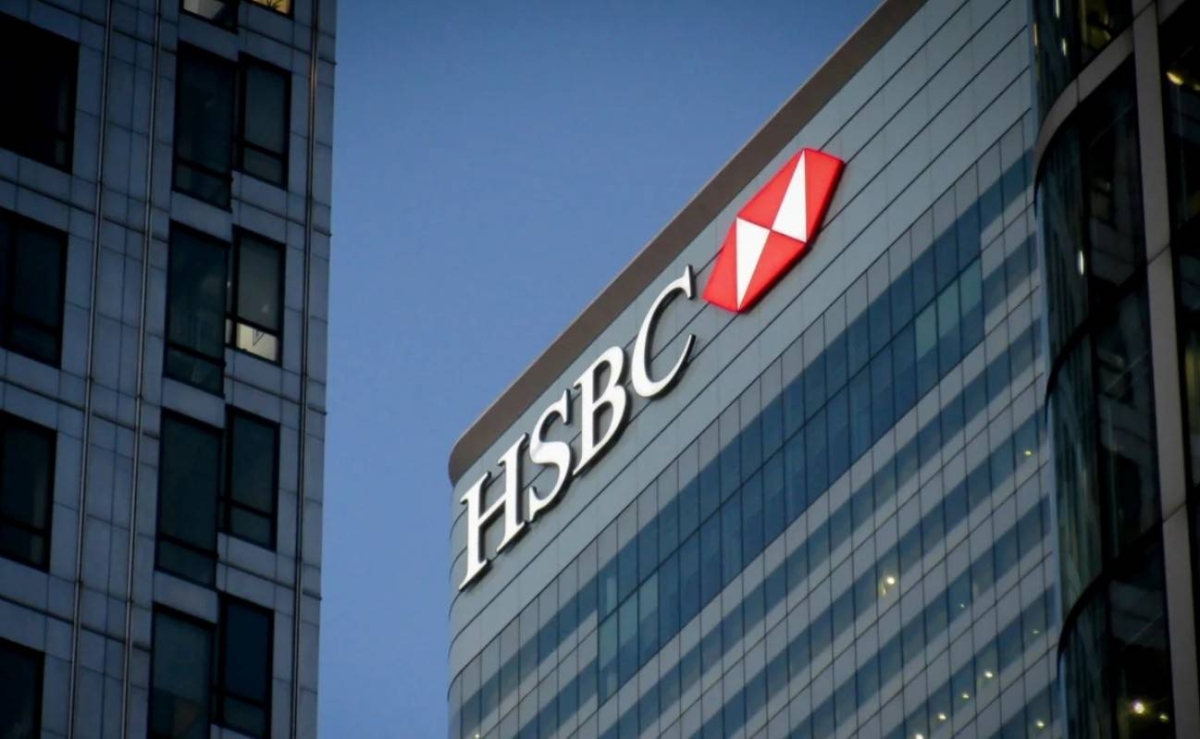
في خطوة مفاجئة، أعلن بنك HSBC من خلال وحدته للخدمات المصرفية الخاصة في سويسرا عن قراره بإنهاء علاقاته مع أكثر من 1000 عميل من الأثرياء في الشرق الأوسط، بما في ذلك العديد من أصحاب الأصول التي تتجاوز قيمتها 100 مليون دولار.
ويأتي هذا القرار في إطار إستراتيجية البنك لتقليل تعرضه للعملاء الذين يُعتبرون «عالي المخاطر»، وفقًا لمصادر مطلعة تحدثت لوكالة «بلومبيرغ»، وبدأ بعض المتأثرين بهذا القرار بالفعل في تلقي إشعارات بإغلاق حساباتهم، مع توجيهات لنقل أصولهم إلى وجهات أخرى خلال الأشهر القادمة.
ويُعد بنك HSBC أحد أكبر المؤسسات المالية في العالم، ووحدته السويسرية للخدمات المصرفية الخاصة تُركز على تقديم خدمات إدارة الثروات للأفراد ذوي الملاءة المالية العالية، ومع ذلك واجهت الوحدة تحديات كبيرة في السنوات الأخيرة، خصوصا في منطقة الشرق الأوسط، التي تُعتبر مركزًا ماليًا جاذبًا لمديري الثروات.
وتأتي هذه الخطوة في وقت تخضع الوحدة السويسرية لتدقيق مكثف من هيئة الرقابة المالية السويسرية (Finma)، التي انتقدت البنك لفشله في إجراء فحوصات كافية للحسابات عالية المخاطر، خصوصا تلك المرتبطة بأشخاص بارزين.
وفي يونيو 2024، كشفت Finma عن تقصير HSBC في التحقق من مصادر الأموال في معاملات تجاوزت 300 مليون دولار بين لبنان وسويسرا خلال الفترة من 2002 إلى 2015، ما أدى إلى فرض قيود على البنك تمنعه من إقامة علاقات جديدة مع أشخاص سياسيين بارزين حتى تتم معالجة هذه الثغرات.
كما يواجه البنك تحقيقات من السلطات السويسرية والفرنسية بشأن اشتباه في غسيل أموال مرتبط بقضية حاكم البنك المركزي اللبناني السابق رياض سلامة، ما زاد الضغط على البنك لإعادة هيكلة عملياته.
ويعكس هذا القرار إستراتيجية HSBC المعلنة في أكتوبر 2024 لإعادة تشكيل عملياته العالمية، بهدف بناء مؤسسة أكثر بساطة وتركيزًا على الأسواق التي يتمتع فيها بميزة تنافسية، ومع ذلك يُعد هذا التحرك ضربة لجهود البنك في تعزيز وجوده في سوق إدارة الثروات بالشرق الأوسط، خصوصا بعد تعيين علاء الدين هنغاري، المدير التنفيذي السابق في «كريدي سويس»، لقيادة هذا القطاع.
In a surprising move, HSBC announced through its private banking unit in Switzerland its decision to end relationships with more than 1,000 wealthy clients in the Middle East, including many asset holders with values exceeding $100 million.
This decision comes as part of the bank's strategy to reduce its exposure to clients considered "high risk," according to informed sources who spoke to Bloomberg. Some of those affected by this decision have already begun receiving notices to close their accounts, with instructions to transfer their assets to other destinations in the coming months.
HSBC is one of the largest financial institutions in the world, and its Swiss private banking unit focuses on providing wealth management services to high-net-worth individuals. However, the unit has faced significant challenges in recent years, particularly in the Middle East, which is considered an attractive financial hub for wealth managers.
This step comes at a time when the Swiss unit is under intense scrutiny from the Swiss Financial Market Supervisory Authority (Finma), which criticized the bank for failing to conduct adequate checks on high-risk accounts, especially those linked to prominent individuals.
In June 2024, Finma revealed HSBC's shortcomings in verifying the sources of funds in transactions exceeding $300 million between Lebanon and Switzerland from 2002 to 2015, leading to restrictions on the bank preventing it from establishing new relationships with prominent political figures until these gaps are addressed.
The bank is also facing investigations from Swiss and French authorities regarding suspected money laundering linked to the case of former Lebanese central bank governor Riad Salameh, increasing pressure on the bank to restructure its operations.
This decision reflects HSBC's announced strategy in October 2024 to reshape its global operations, aiming to build a simpler, more focused institution in markets where it has a competitive advantage. However, this move is a blow to the bank's efforts to strengthen its presence in the wealth management market in the Middle East, especially after appointing Aladdin Hungari, the former CEO of Credit Suisse, to lead this sector.