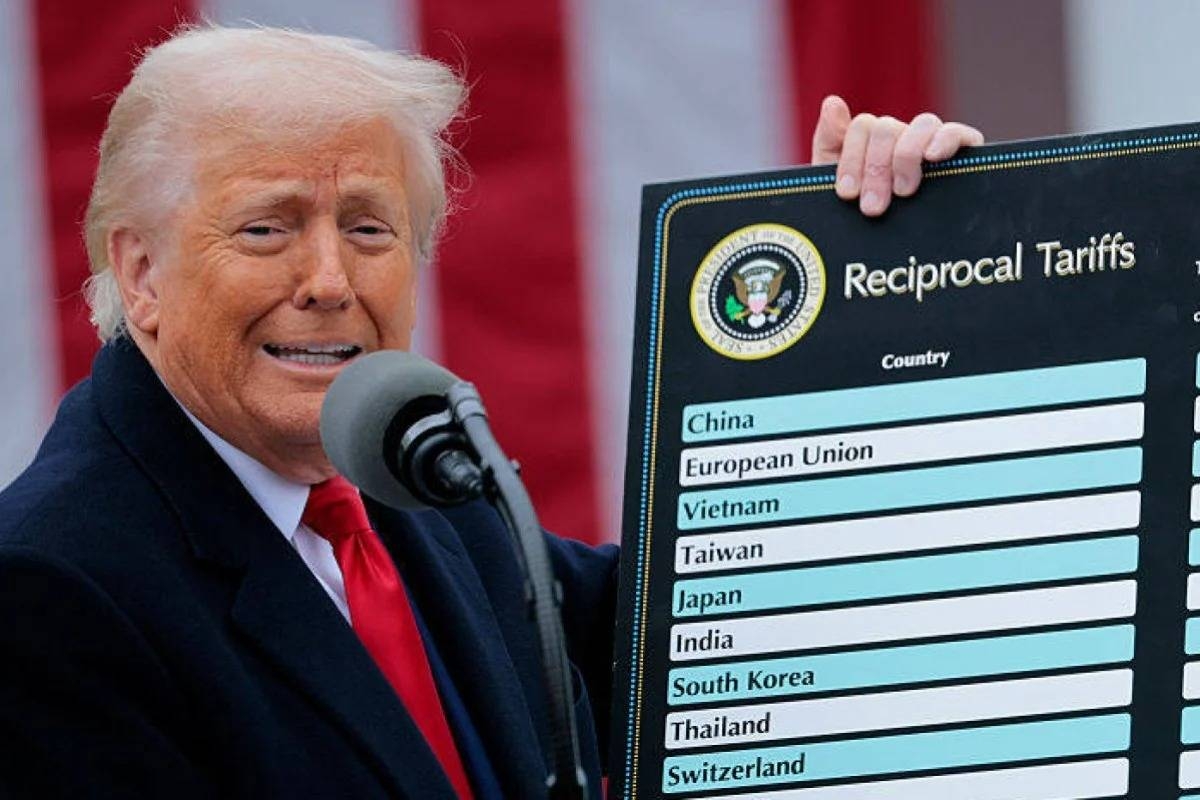
بعد أشهر من التهديدات والمفاوضات المكثفة والدبلوماسية السريعة، بدأت الولايات المتحدة تطبيق نظامها الجمركي الجديد في 7 أغسطس 2025، وفقًا لأمر تنفيذي شامل أصدره الرئيس دونالد ترمب في 31 يوليو.
يعكس هذا النظام رؤية ترمب لنظام تجاري عالمي جديد يقوم على مبدأ المعاملة بالمثل، حيث فرضت الولايات المتحدة تعريفات جمركية تتراوح بين 10% و41% على العديد من الدول، مع تركيز خاص على دول جنوب شرق آسيا التي سعت إلى تخفيف العبء الاقتصادي الناتج عن هذه السياسة التجارية العدوانية.
وحصلت معظم دول جنوب شرق آسيا، مثل فيتنام (20%)، والفلبين (19%)، وإندونيسيا (19%)، وماليزيا (19%)، وتايلاند (19%)، وكمبوديا (19%)، على تعريفات تتراوح بين 19% و20%، وهي معدلات تُعتبر الآن خطًا أساسيًا للمفاوضات التجارية المستقبلية مع الولايات المتحدة، وفقًا لمحللين.
هذه المعدلات تمثل تخفيضًا كبيرًا مقارنة بالتهديدات الأولية التي وصلت إلى 46% لبعض الدول، مثل فيتنام، التي نجحت في خفض التعريفة عبر مفاوضات شملت تعهدات بشراء منتجات أمريكية، بما في ذلك طائرات مقاتلة من طراز F-16.
ومع ذلك، يواجه هذه الدول تحديات في إعادة هيكلة سلاسل التوريد لتجنب تعريفات أعلى على المنتجات المُعاد شحنها من الصين، والتي تخضع لتعريفة 40% إذا تم اكتشافها.
على النقيض، واجهت لاوس وميانمار معاملة أكثر قسوة، حيث فُرضت عليهما تعريفات بقيمة 40% بسبب عدم توصلها إلى اتفاقيات تجارية مع واشنطن.
هذه المعدلات العالية تعكس نهج ترمب في الضغط على الدول ذات الفائض التجاري مع الولايات المتحدة، حيث أشار إلى أن هذه الدول استغلت الولايات المتحدة لسنوات.
بالنسبة لكمبوديا وتايلاند، كانت القصة مختلفة؛ فقد خفضت التعريفات من 49% و35% إلى 19% بعد موافقتهما على وقف إطلاق النار في نزاع حدودي، مما يظهر كيف ربطت الولايات المتحدة السياسة التجارية بالدبلوماسية الإقليمية.
تُظهر هذه التعريفات قيمة الدول في نظر الولايات المتحدة والتزاماتها لتجنب العقوبات الاقتصادية، على سبيل المثال وافقت إندونيسيا على شراء منتجات أمريكية بقيمة 15 مليار دولار في قطاع الطاقة، إلى جانب طائرات بوينغ ومنتجات زراعية، لخفض تعريفتها من 32% إلى 19%.
كما حصلت الفلبين، الحليف الأقدم للولايات المتحدة في آسيا، على تخفيض طفيف من 20% إلى 19% مقابل فتح أسواقها للسيارات الأمريكية، رغم انتقادات داخلية لمحدودية هذا التخفيض.
تُبرز هذه السياسة إستراتيجية ترمب «أمريكا أولاً»، التي تهدف إلى تقليص العجز التجاري الأمريكي، والذي بلغ 123.5 مليار دولار مع فيتنام وحدها في 2024.
ومع ذلك، يحذر الخبراء من أن هذه التعريفات قد تعيق النمو الاقتصادي وترفع التضخم، خاصة في الدول التي تعتمد على التصدير إلى الولايات المتحدة، كما تثير مخاوف من تعزيز نفوذ الصين في المنطقة، حيث تسعى دول جنوب شرق آسيا إلى تنويع شراكاتها التجارية لتقليل الاعتماد على السوق الأمريكية.
ويعكس نظام التعريفات الجديد رؤية ترمب لإعادة تشكيل التجارة العالمية، مع تأثيرات كبيرة على جنوب شرق آسيا، بينما نجحت معظم الدول في تخفيض التعريفات عبر المفاوضات، تواجه لاوس وميانمار تحديات اقتصادية كبيرة بسبب التعريفات المرتفعة، بينما تُظهر حالة تايلاند وكمبوديا تداخل السياسة التجارية مع الدبلوماسية الإقليمية.
After months of threats, intense negotiations, and rapid diplomacy, the United States began implementing its new tariff system on August 7, 2025, according to a comprehensive executive order issued by President Donald Trump on July 31.
This system reflects Trump's vision for a new global trading system based on the principle of reciprocity, where the United States imposed tariffs ranging from 10% to 41% on many countries, with a particular focus on Southeast Asian nations that sought to alleviate the economic burden resulting from this aggressive trade policy.
Most Southeast Asian countries, such as Vietnam (20%), the Philippines (19%), Indonesia (19%), Malaysia (19%), Thailand (19%), and Cambodia (19%), received tariffs ranging from 19% to 20%, rates that are now considered a baseline for future trade negotiations with the United States, according to analysts.
These rates represent a significant reduction compared to the initial threats that reached 46% for some countries, such as Vietnam, which succeeded in lowering the tariff through negotiations that included commitments to purchase American products, including F-16 fighter jets.
However, these countries face challenges in restructuring supply chains to avoid higher tariffs on products re-shipped from China, which are subject to a 40% tariff if discovered.
In contrast, Laos and Myanmar faced harsher treatment, as they were imposed with tariffs of 40% due to their failure to reach trade agreements with Washington.
These high rates reflect Trump's approach to pressuring countries with trade surpluses with the United States, as he indicated that these countries have exploited the U.S. for years.
For Cambodia and Thailand, the story was different; they reduced tariffs from 49% and 35% to 19% after agreeing to a ceasefire in a border dispute, demonstrating how the United States linked trade policy with regional diplomacy.
These tariffs show the value of countries in the eyes of the United States and their commitments to avoid economic sanctions; for example, Indonesia agreed to purchase $15 billion worth of American products in the energy sector, along with Boeing aircraft and agricultural products, to reduce its tariff from 32% to 19%.
The Philippines, America's oldest ally in Asia, also received a slight reduction from 20% to 19% in exchange for opening its markets to American cars, despite internal criticisms regarding the limited nature of this reduction.
This policy highlights Trump's "America First" strategy, aimed at reducing the U.S. trade deficit, which reached $123.5 billion with Vietnam alone in 2024.
However, experts warn that these tariffs could hinder economic growth and raise inflation, especially in countries that rely on exports to the United States, while also raising concerns about increasing China's influence in the region, as Southeast Asian nations seek to diversify their trade partnerships to reduce dependence on the American market.
The new tariff system reflects Trump's vision for reshaping global trade, with significant impacts on Southeast Asia; while most countries succeeded in lowering tariffs through negotiations, Laos and Myanmar face significant economic challenges due to high tariffs, while the cases of Thailand and Cambodia illustrate the intersection of trade policy with regional diplomacy.