


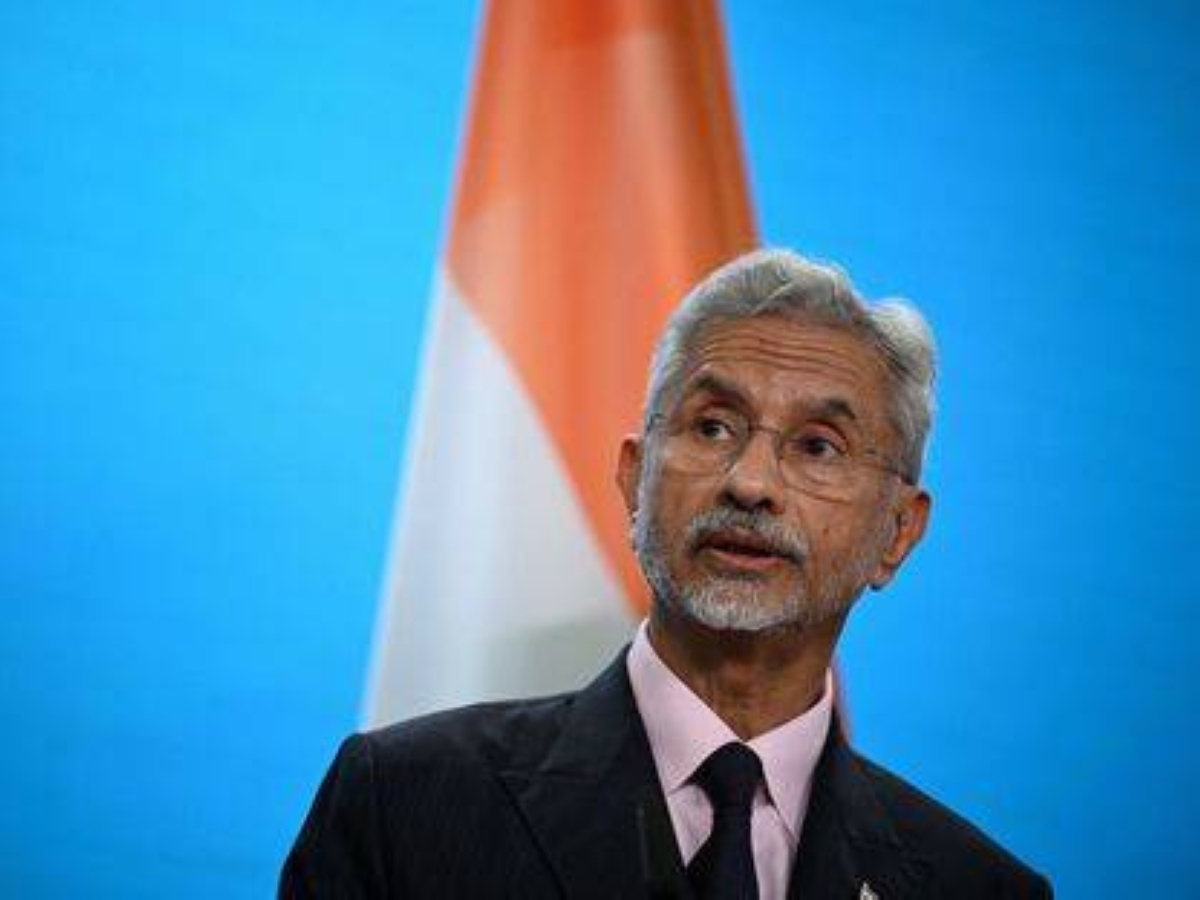
أعلن وزير الخارجية الهندي سوبرامانيام جيشينكار، اليوم، أن المفاوضات التجارية مع الولايات المتحدة لا تزال مستمرة، إلا أنه توجد خطوط حمراء يتعين على نيودلهي الدفاع عنها، قبل أيام من دخول رسوم جمركية أمريكية حيز التنفيذ.
وقال جيشينكار خلال فعالية نظمتها صحيفة «إيكونوميك تايمز» في نيودلهي: «لدينا بعض الخطوط الحمراء في المفاوضات، يجب الحفاظ عليها والدفاع عنها، وأخص بالذكر مصالح المزارعين وصغار المنتجين في البلاد».
وأضاف جيشينكار: «من حقنا اتخاذ قرارات تصب في مصلحتنا الوطنية، إن قلق واشنطن بشأن مشتريات الهند من النفط الروسي لا تسري على كبار المشترين الآخرين مثل الصين والاتحاد الأوروبي».
وتابع: «إذا كانت الحجة هي النفط، فهناك مشترون كبار آخرون، وإذا كانت الحجة هي من يتاجر أكثر مع روسيا، فهناك تجار أكبر، فالتجارة بين روسيا وأوروبا أكبر من التجارة بين الهند وروسيا».
يذكر أن السلع الهندية تواجه رسوماً جمركية أمريكية إضافية تصل إلى 50%، وهي من بين أعلى الرسوم التي تفرضها واشنطن، بسبب مشتريات البلاد المتزايدة من النفط الروسي. وبدأ سريان رسوم جمركية بنسبة 25% بالفعل، بينما من المقرر تطبيق النسبة المتبقية البالغة 25% اعتباراً من 27 أغسطس الجاري.
وأُلغيت الزيارة التي كان من المقرر أن يقوم بها مفاوضو التجارة الأمريكيون إلى نيودلهي في الفترة من 25 إلى 29 أغسطس الجاري؛ ما بدد آمال إمكانية خفض الرسوم أو تأجيلها.
وكانت محادثات التجارة بين الهند والولايات المتحدة قد انهارت في وقت سابق من هذا العام؛ بسبب رفض الهند فتح قطاعَي الزراعة والألبان الضخمين. وتبلغ قيمة التجارة بين أكبر اقتصاد في العالم وخامس أكبر اقتصاد أكثر من 190 مليار دولار.
وأوضح محللون في «كابيتال إيكونوميكس» أمس، أنه في حال سريان الرسوم الجمركية الأمريكية كاملة، فإن الضرر الذي سيلحق بالنمو الاقتصادي الهندي سيبلغ 0.8 نقطة مئوية في العامين الحالي والقادم.
وأضافوا: «الضرر على المدى الطويل ربما يكون أكبر، إذ قد تُضعف الرسوم الجمركية المرتفعة جاذبية الهند كمركز صناعي عالمي».
قبل دخول «الرسوم» حيز التنفيذ..الهند: مفاوضاتنا التجارية مع أمريكا مستمرة
23 أغسطس 2025 - 22:09
|
آخر تحديث 23 أغسطس 2025 - 22:09


تابع قناة عكاظ على الواتساب
«عكاظ» (نيودلهي)
Indian External Affairs Minister Subrahmanyam Jaishankar announced today that trade negotiations with the United States are still ongoing, but there are red lines that New Delhi must defend, just days before U.S. tariffs come into effect.
Jaishankar said during an event organized by the Economic Times in New Delhi: "We have some red lines in the negotiations that must be maintained and defended, particularly the interests of farmers and small producers in the country."
He added: "It is our right to make decisions that serve our national interest. Washington's concern about India's purchases of Russian oil does not apply to other major buyers like China and the European Union."
He continued: "If the argument is oil, there are other major buyers. If the argument is who trades more with Russia, there are bigger traders; trade between Russia and Europe is larger than trade between India and Russia."
It is worth noting that Indian goods face additional U.S. tariffs of up to 50%, among the highest imposed by Washington, due to the country's increasing purchases of Russian oil. A 25% tariff has already come into effect, while the remaining 25% is set to be applied starting August 27.
The visit that was scheduled for U.S. trade negotiators to New Delhi from August 25 to 29 has been canceled, which dashed hopes for a possible reduction or postponement of the tariffs.
Earlier this year, trade talks between India and the United States collapsed due to India's refusal to open its massive agriculture and dairy sectors. Trade between the world's largest economy and the fifth-largest economy exceeds $190 billion.
Analysts at Capital Economics stated yesterday that if the full U.S. tariffs come into effect, the damage to Indian economic growth will reach 0.8 percentage points in the current and next year.
They added: "The long-term damage may be greater, as high tariffs could weaken India's attractiveness as a global manufacturing hub."
Jaishankar said during an event organized by the Economic Times in New Delhi: "We have some red lines in the negotiations that must be maintained and defended, particularly the interests of farmers and small producers in the country."
He added: "It is our right to make decisions that serve our national interest. Washington's concern about India's purchases of Russian oil does not apply to other major buyers like China and the European Union."
He continued: "If the argument is oil, there are other major buyers. If the argument is who trades more with Russia, there are bigger traders; trade between Russia and Europe is larger than trade between India and Russia."
It is worth noting that Indian goods face additional U.S. tariffs of up to 50%, among the highest imposed by Washington, due to the country's increasing purchases of Russian oil. A 25% tariff has already come into effect, while the remaining 25% is set to be applied starting August 27.
The visit that was scheduled for U.S. trade negotiators to New Delhi from August 25 to 29 has been canceled, which dashed hopes for a possible reduction or postponement of the tariffs.
Earlier this year, trade talks between India and the United States collapsed due to India's refusal to open its massive agriculture and dairy sectors. Trade between the world's largest economy and the fifth-largest economy exceeds $190 billion.
Analysts at Capital Economics stated yesterday that if the full U.S. tariffs come into effect, the damage to Indian economic growth will reach 0.8 percentage points in the current and next year.
They added: "The long-term damage may be greater, as high tariffs could weaken India's attractiveness as a global manufacturing hub."


