


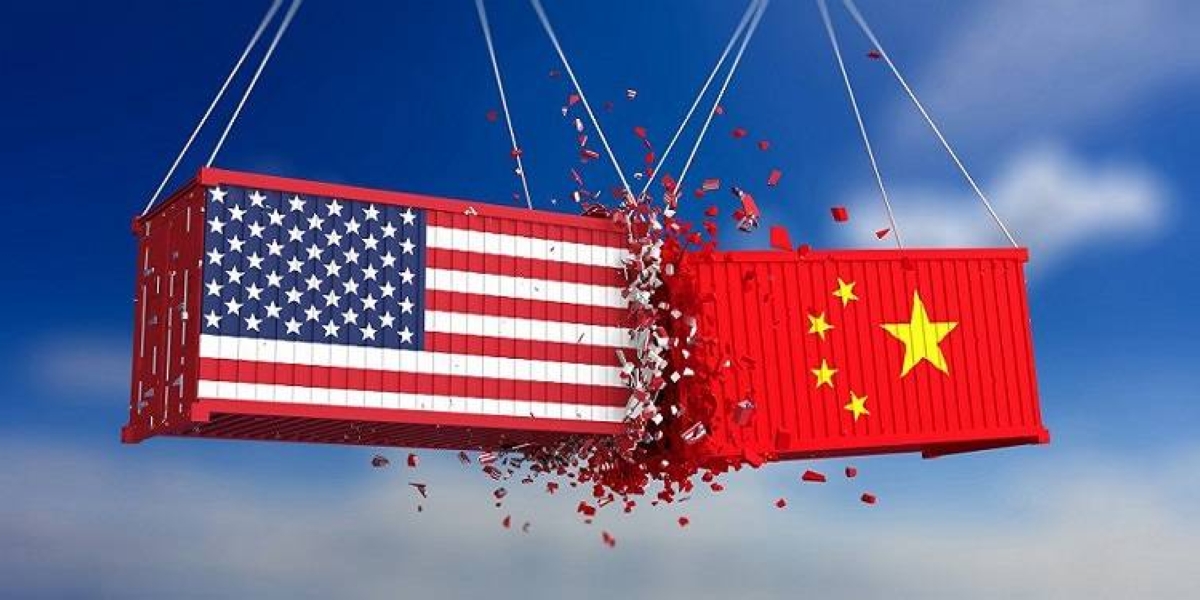
فيما أعلن الرئيس الأمريكي دونالد ترمب، أخيراً، أن بلاده ستفعل كل ما يلزم لتتولى ريادة الذكاء الاصطناعي من خلال خطة تتضمن التصدي للنفوذ الصيني المتنامي داخل الهيئات الدولية المعنية بالحوكمة، كشفت وكالة «بلومبيرغ» أن سوق الذكاء الاصطناعي العالمية التي تبلغ قيمتها 4.8 تريلون دولار، تشهد منافسة قوية بين الولايات المتحدة الأمريكية والصين.
وأشارت إلى تحذير رئيس مجلس الدولة الصيني لي تشيانغ، خلال مؤتمر الذكاء الاصطناعي العالمي السنوي، الذي عُقد أخيراً، من مخاطر احتكار الذكاء الاصطناعي، داعياً المسؤولين الأجانب الحاضرين في قاعة المؤتمر، وغالبيتهم من الدول النامية، إلى التعاون في مجال الحوكمة.
وأشارت الوكالة إلى أن الصين أطلقت منظمة عالمية جديدة تهدف إلى توحيد الجهود الدولية لضمان الاستخدام الآمن والشامل لهذه التكنولوجيا الجديدة القوية. وتجسّد المنظمة الجديدة التي تحمل اسم المنظمة العالمية للتعاون في الذكاء الاصطناعي، خطة الصين لمنافسة الولايات المتحدة على النفوذ العالمي، عبر تقديم نفسها كداعم للذكاء الاصطناعي للجميع.
ومن شأن القواعد التنظيمية الأكثر ملاءمة أن تمنح الشركات الصينية دفعة عالمية في سباقها مع نظيراتها الأمريكية في بيع المعدات والخدمات.
وقال إريك أولاندر، من مشروع «الصين والجنوب العالمي»: إن الصينيين يأتون بمزيج مختلف كلياً من منتجات الذكاء الاصطناعي، سيكون جذاباً للغاية بالنسبة للدول منخفضة الدخل التي تفتقر إلى البنية التحتية الحوسبية والكهربائية اللازمة لتشغيل أنظمة ذكاء اصطناعي شبيهة بتلك التي تطورها «أوبن إيه آي» (OpenAI) على نطاق واسع.
وأشار جيفري هينتون، أحد رواد الذكاء الاصطناعي، خلال مشاركته في الحدث الصيني، إلى دعمه لتعاون الهيئات الدولية في معالجة قضايا السلامة المرتبطة بهذه التكنولوجيا.
من جانبه، قال المستشار الخاص لنائب رئيس إندونيسيا أحمد أديتيا: إن مبادرة الصين تحظى بتقدير كبير من الحكومة الإندونيسية. ونوه إلى أن بلاده تُعد مناهج دراسية مخصصة للذكاء الاصطناعي لتطبيقها في نحو 400 ألف مدرسة، وتُدرب 60 ألف معلم على هذه التقنية.
بقيمة 4.8 تريليون دولار.. تنافس أمريكي-صيني على سوق الذكاء الاصطناعي
2 أغسطس 2025 - 16:47
|
آخر تحديث 2 أغسطس 2025 - 16:47


تابع قناة عكاظ على الواتساب
«عكاظ» (نيويورك)
Recently, U.S. President Donald Trump announced that his country will do whatever it takes to lead in artificial intelligence through a plan that includes addressing the growing Chinese influence within international governance bodies. Bloomberg revealed that the global artificial intelligence market, valued at $4.8 trillion, is witnessing strong competition between the United States and China.
It pointed out a warning from Chinese Premier Li Qiang during the recent annual Global Artificial Intelligence Conference about the risks of monopolizing artificial intelligence, urging the foreign officials present in the conference hall, most of whom are from developing countries, to cooperate in the field of governance.
The agency noted that China has launched a new global organization aimed at unifying international efforts to ensure the safe and comprehensive use of this powerful new technology. The new organization, named the Global Organization for Artificial Intelligence Cooperation, embodies China's plan to compete with the United States for global influence by presenting itself as a supporter of AI for all.
More favorable regulatory frameworks could give Chinese companies a global boost in their race with their American counterparts in selling equipment and services.
Eric Olander from the "China and the Global South" project stated that the Chinese are coming up with a completely different mix of AI products that will be very attractive to low-income countries lacking the necessary computing and electrical infrastructure to operate AI systems similar to those developed by OpenAI on a large scale.
Jeffrey Hinton, a pioneer in artificial intelligence, during his participation in the Chinese event, expressed his support for international bodies cooperating to address safety issues related to this technology.
For his part, the special advisor to the Vice President of Indonesia, Ahmad Aditya, stated that China's initiative is highly appreciated by the Indonesian government. He noted that his country is developing curricula dedicated to artificial intelligence to be implemented in about 400,000 schools and is training 60,000 teachers on this technology.
It pointed out a warning from Chinese Premier Li Qiang during the recent annual Global Artificial Intelligence Conference about the risks of monopolizing artificial intelligence, urging the foreign officials present in the conference hall, most of whom are from developing countries, to cooperate in the field of governance.
The agency noted that China has launched a new global organization aimed at unifying international efforts to ensure the safe and comprehensive use of this powerful new technology. The new organization, named the Global Organization for Artificial Intelligence Cooperation, embodies China's plan to compete with the United States for global influence by presenting itself as a supporter of AI for all.
More favorable regulatory frameworks could give Chinese companies a global boost in their race with their American counterparts in selling equipment and services.
Eric Olander from the "China and the Global South" project stated that the Chinese are coming up with a completely different mix of AI products that will be very attractive to low-income countries lacking the necessary computing and electrical infrastructure to operate AI systems similar to those developed by OpenAI on a large scale.
Jeffrey Hinton, a pioneer in artificial intelligence, during his participation in the Chinese event, expressed his support for international bodies cooperating to address safety issues related to this technology.
For his part, the special advisor to the Vice President of Indonesia, Ahmad Aditya, stated that China's initiative is highly appreciated by the Indonesian government. He noted that his country is developing curricula dedicated to artificial intelligence to be implemented in about 400,000 schools and is training 60,000 teachers on this technology.


