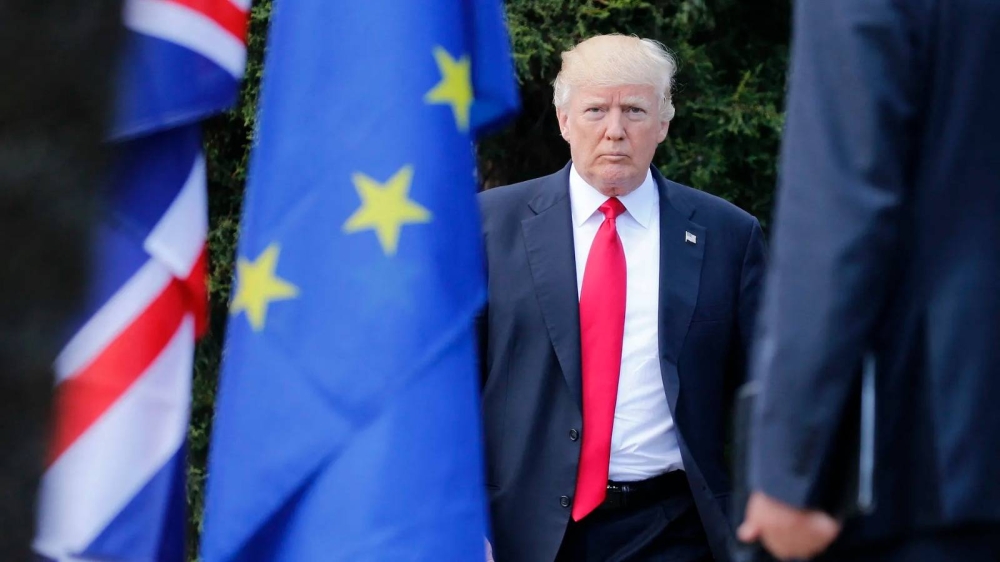
رد الاتحاد الأوروبي والمكسيك، وهما من أكبر الشركاء التجاريين للولايات المتحدة، على قرار الرئيس الأمريكي دونالد ترمب فرض تعريفات جمركية بنسبة 30% على البضائع المستوردة منهما اعتبارًا من 1 أغسطس 2025، واصفين الإجراء بأنه غير عادل ومربك.
وبحسب وكالة «رويترز» تعهد الطرفان بمواصلة المفاوضات مع واشنطن للتوصل إلى اتفاق تجاري شامل قبل الموعد النهائي.
وأعربت الرئيسة المكسيكية كلوديا شينباوم عن تفاؤلها بالتوصل إلى اتفاق، وقالت خلال فعالية في ولاية سونورا: في مثل هذه الحالات، يجب أن نحافظ على رباطة الجأش لمواجهة أي تحدٍّ.
وأضافت: لدينا رؤية واضحة بشأن ما يمكننا التعاون فيه مع الولايات المتحدة، وما لا يمكننا التفاوض بشأنه، وهناك شيء لا يمكن المساس به أبدًا، وهو سيادة بلادنا.
من جهته، أرسل ترمب رسائل مماثلة إلى 23 شريكًا تجاريًا آخر، بما في ذلك كندا واليابان والبرازيل، محددًا تعريفات تراوح بين 20% و50%، إضافة إلى تعريفة بنسبة 50% على النحاس.
وأوضح أن التعريفة بنسبة 30% منفصلة عن التعريفات القطاعية، إذ تظل الرسوم على الصلب والألمنيوم بنسبة 50% وعلى السيارات بنسبة 25%.
ويمنح الموعد النهائي في 1 أغسطس الدول المستهدفة فرصة للتفاوض على اتفاقيات قد تخفض هذه التعريفات.
وأشار بعض المستثمرين والاقتصاديين إلى أن ترمب قد يتراجع عن تهديداته كما فعل سابقًا، إذ أعلن في أبريل تعريفات مماثلة أثرت على الأسواق قبل أن تؤجل إدارته التنفيذ.
فيما أكدت رئيسة المفوضية الأوروبية أورسولا فون دير لاين أن التعريفات الجديدة ستؤثر سلبًا على سلاسل التوريد عبر الأطلسي، مما يضر بالشركات والمستهلكين والمرضى في الجانبين.
وأضافت أن الاتحاد الأوروبي سيواصل السعي لاتفاق تجاري شامل، لكنه مستعد لاتخاذ تدابير متناسبة لحماية مصالحه إذا لزم الأمر.
وفي المكسيك، أعربت وزارة الاقتصاد عن استيائها من التعريفات، واصفة إياها بالمعاملة غير العادلة خلال اجتماع مع مسؤولين أمريكيين.
وتجدر الإشارة إلى أن التعريفة المفروضة على المكسيك (30%) أقل من تلك على كندا (35%)، رغم اتهامات ترمب للمكسيك بعدم السيطرة الكافية على تجارة المخدرات، بما في ذلك الفنتانيل، الذي تُظهر البيانات الحكومية أن معظمه يأتي عبر الحدود المكسيكية وليس الكندية.
وتُعد المكسيك أكبر شريك تجاري للولايات المتحدة في عام 2023، إذ تُرسل أكثر من 80% من صادراتها إلى الولايات المتحدة.
وفي الوقت نفسه، يسعى الاتحاد الأوروبي إلى اتفاق تجاري شامل، لكنه قلّص طموحاته أخيراً إلى إطار عام مشابه لما توصلت إليه بريطانيا.
وتواجه المفاوضات ضغوطًا متباينة داخل الاتحاد، إذ تحث ألمانيا على اتفاق سريع لحماية صناعتها، بينما ترفض دول مثل فرنسا الخضوع لشروط أمريكية أحادية.
وقال رئيس لجنة التجارة في البرلمان الأوروبي بيرند لانج: هذه التعريفات بمثابة صفعة للمفاوضات، وهي ليست طريقة للتعامل مع شريك تجاري رئيسي.
وأشار خبراء إلى أن هذه الخطوة قد تؤدي إلى ردود فعل انتقامية من الاتحاد الأوروبي، على غرار ما حدث في التوترات التجارية بين الولايات المتحدة والصين.
وتولد التعريفات الجديدة إيرادات شهرية تقدر بعشرات المليارات من الدولارات للخزانة الأمريكية، إذ تجاوزت عائدات الجمارك 100 مليار دولار في السنة المالية حتى يونيو، وفقاً لبيانات وزارة الخزانة.
لكن هذه السياسات زادت من التوترات الدبلوماسية مع حلفاء الولايات المتحدة، إذ أعرب رئيس الوزراء الياباني شيجيرو إيشيبا عن ضرورة تقليل الاعتماد على واشنطن، بينما بدأت كندا وبعض الدول الأوروبية إعادة تقييم اعتمادها الأمني على الولايات المتحدة.
The European Union and Mexico, two of the largest trading partners of the United States, responded to U.S. President Donald Trump's decision to impose a 30% tariff on goods imported from them starting August 1, 2025, describing the measure as unfair and confusing.
According to Reuters, both parties pledged to continue negotiations with Washington to reach a comprehensive trade agreement before the deadline.
Mexican President Claudia Sheinbaum expressed optimism about reaching an agreement, stating during an event in Sonora: "In such cases, we must maintain our composure to face any challenge."
She added: "We have a clear vision of what we can cooperate on with the United States, and what we cannot negotiate on, and there is one thing that can never be compromised, which is the sovereignty of our country."
For his part, Trump sent similar messages to 23 other trading partners, including Canada, Japan, and Brazil, specifying tariffs ranging from 20% to 50%, in addition to a 50% tariff on copper.
He clarified that the 30% tariff is separate from sector-specific tariffs, as the fees on steel and aluminum remain at 50% and on cars at 25%.
The August 1 deadline gives the targeted countries a chance to negotiate agreements that could reduce these tariffs.
Some investors and economists noted that Trump might backtrack on his threats as he has done before, having announced similar tariffs in April that affected markets before his administration delayed their implementation.
Meanwhile, European Commission President Ursula von der Leyen confirmed that the new tariffs would negatively impact transatlantic supply chains, harming businesses, consumers, and patients on both sides.
She added that the European Union will continue to seek a comprehensive trade agreement but is prepared to take proportional measures to protect its interests if necessary.
In Mexico, the Ministry of Economy expressed its dissatisfaction with the tariffs, describing them as unfair treatment during a meeting with U.S. officials.
It is worth noting that the tariff imposed on Mexico (30%) is lower than that on Canada (35%), despite Trump's accusations against Mexico of not adequately controlling drug trafficking, including fentanyl, most of which government data shows comes across the Mexican border rather than the Canadian one.
Mexico is the largest trading partner of the United States in 2023, sending more than 80% of its exports to the U.S.
At the same time, the European Union is seeking a comprehensive trade agreement but has recently scaled back its ambitions to a general framework similar to what was reached with Britain.
The negotiations face varying pressures within the Union, as Germany urges a swift agreement to protect its industry, while countries like France refuse to submit to unilateral U.S. conditions.
Bernd Lange, the chair of the European Parliament's trade committee, stated: "These tariffs are a slap in the face for negotiations, and they are not a way to deal with a major trading partner."
Experts indicated that this move could provoke retaliatory responses from the European Union, similar to what occurred during the trade tensions between the United States and China.
The new tariffs generate monthly revenues estimated in the tens of billions of dollars for the U.S. Treasury, with customs revenues exceeding $100 billion in the fiscal year up to June, according to Treasury data.
However, these policies have increased diplomatic tensions with U.S. allies, as Japanese Prime Minister Shigeru Ishiba expressed the need to reduce reliance on Washington, while Canada and some European countries have begun reassessing their security dependence on the United States.