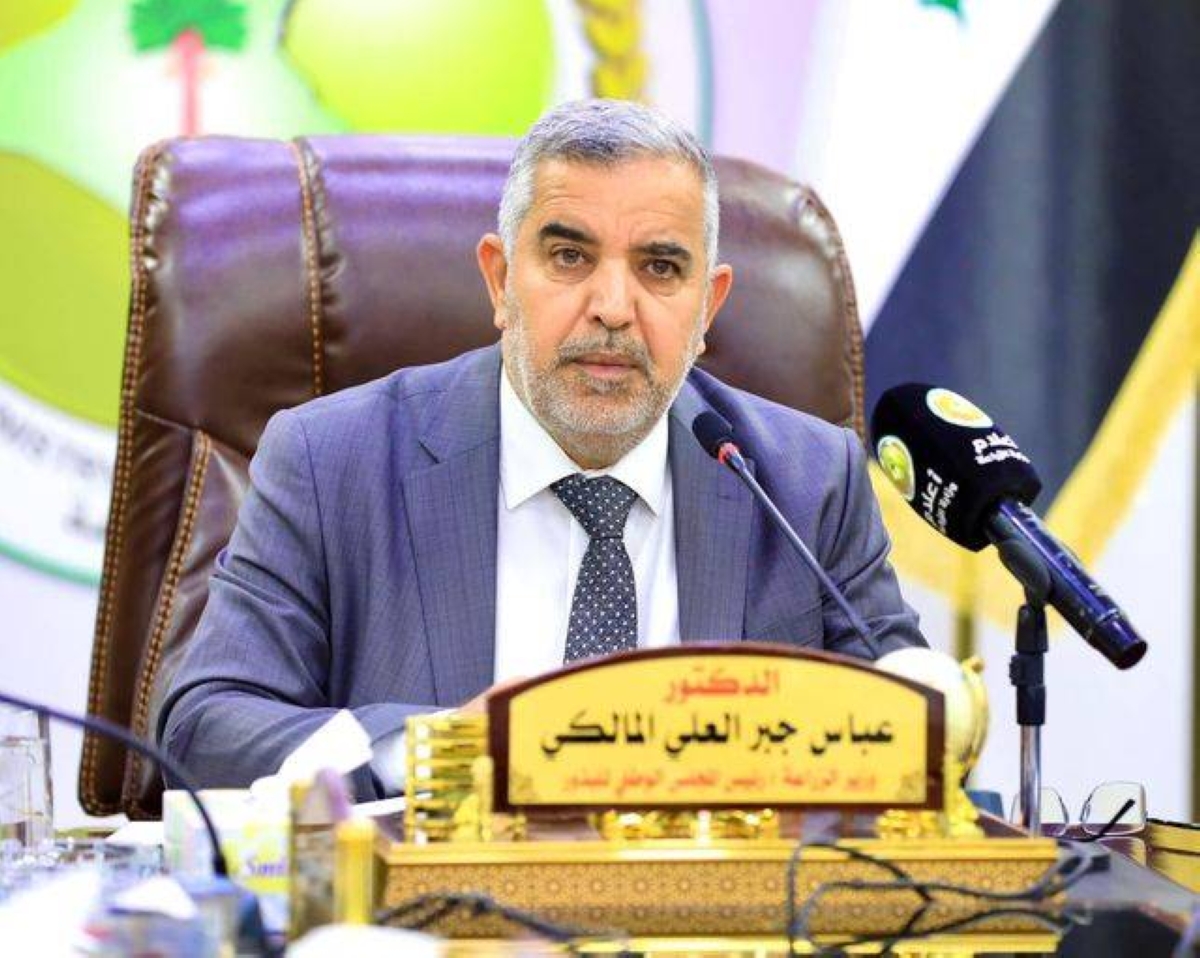
أكد وزير الزراعة العراقي عباس جبر المالكي، فقدان 50% من الأراضي الزراعية سنويا بسبب آثار التغير المناخي، مشيرا إلى توجه الحكومة لاعتماد الزراعة الذكية لمواجهة هذه الآثار.
وقال المالكي خلال ملتقى العراق للاستثمار اليوم إن التكيّف في عمليات الزراعة يحقق أقل استهلاك للمياه، موضحا أن «دائرة البحوث في الوزارة تقوم بدراسات لاستخدام البذور القادرة على تحمّل الظروف البيئية ودرجات الحرارة المرتفعة ونقص المياه».
وأضاف: «إحدى أهم سياسات وأهداف الوزارة هي الحفاظ على الأمن الغذائي، واستقرار الأسعار، وتوفير الاحتياجات الأساسية من المنتجات الزراعية».
تقنيات الري
وأكد أن «الوزارة تعمل على التوسع في تقنيات الري الحديثة، سواء الري المحوري أو الثابت أو بالتنقيط، إضافة إلى اعتماد الزراعة الذكية التي تُعد إحدى الخطوات التي يجري العمل عليها حاليا، وتخطط الوزارة لإدراجها بشكل مستدام ضمن جدول أعمالها وأجندتها، بما يتيح التكيّف ومواجهة التغير المناخي الذي يتسبب سنويا في فقدان أكثر من 50% من الأراضي الزراعية نتيجة تناقص المساحات المزروعة».
اجتماع عاجل
من ناحية أخرى، أعلنت وزارة الموارد المائية في العراق، اليوم، عقد اجتماع وزاري عاجل لمواجهة أزمة المياه في العراق، فيما أشارت إلى أن الاجتماع عرض توصيات حول الأزمة أمام مجلس الوزراء.
وأكدت الوزارة أن «العراق يمر حاليا بأشد سنوات الجفاف بشكل غير مسبوق»، واصفة السنة الحالية بأنها «من أسوأ السنوات المائية منذ أكثر من 90 عاما».
ووفقا للبيان «ترجع أسباب هذه الأزمة إلى التغيرات المناخية واستمرار دول المنبع، وخصوصا تركيا، في إنشاء المشاريع على منابع الأنهار، ما انعكس سلبا على الواردات المائية لنهري دجلة والفرات وأثر في الواقع البيئي والزراعي في العراق».
Iraqi Minister of Agriculture Abbas Jabir Al-Maliki confirmed the loss of 50% of agricultural land annually due to the effects of climate change, pointing out that the government is moving towards adopting smart agriculture to address these effects.
Al-Maliki stated during the Iraq Investment Forum today that adapting agricultural processes achieves lower water consumption, explaining that "the Research Department in the ministry is conducting studies to use seeds capable of withstanding environmental conditions, high temperatures, and water scarcity."
He added: "One of the most important policies and objectives of the ministry is to maintain food security, stabilize prices, and provide the basic needs of agricultural products."
Irrigation Technologies
He confirmed that "the ministry is working on expanding modern irrigation technologies, whether pivot irrigation, fixed irrigation, or drip irrigation, in addition to adopting smart agriculture, which is one of the steps currently being worked on. The ministry plans to integrate it sustainably into its agenda and schedule, allowing for adaptation and addressing climate change that causes the loss of more than 50% of agricultural land annually due to the decrease in cultivated areas."
Urgent Meeting
On another note, the Ministry of Water Resources in Iraq announced today the convening of an urgent ministerial meeting to address the water crisis in Iraq, noting that the meeting presented recommendations regarding the crisis to the Cabinet.
The ministry confirmed that "Iraq is currently experiencing one of the most severe drought years unprecedentedly," describing the current year as "one of the worst water years in over 90 years."
According to the statement, "The reasons for this crisis are attributed to climate changes and the continued upstream countries, especially Turkey, in establishing projects on the rivers' sources, which negatively affected the water inflows of the Tigris and Euphrates rivers and impacted the environmental and agricultural reality in Iraq."