


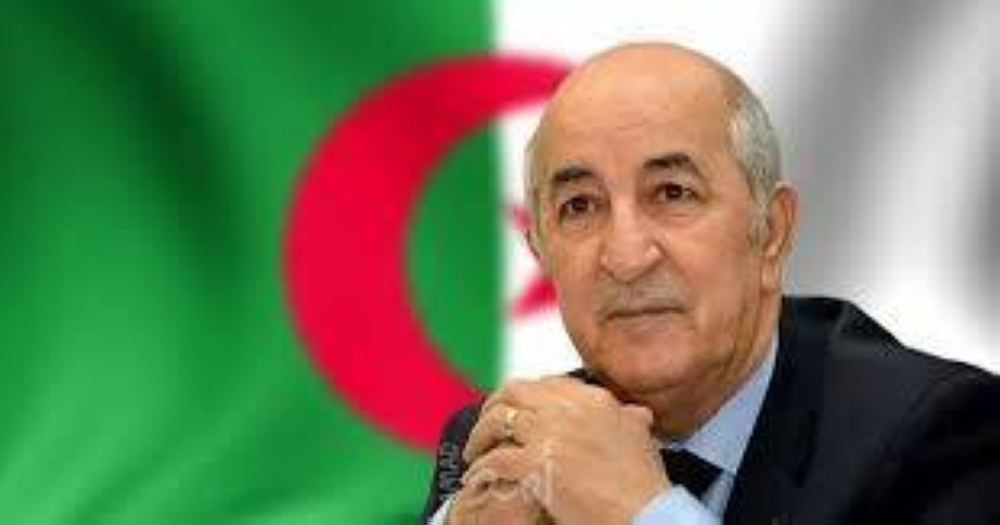
أكد الرئيس الجزائري عبدالمجيد تبون أن المؤشرات الكلية لاقتصاد بلاده قوية ومحفزة، مستبعدا أي تقشف على خلفية انخفاض أسعار النفط في الأسواق العالمية.
وكشف تبون، في لقائه الدوري مع وسائل إعلام محلية أخيرا، أن احتياطي الجزائر من النقد الأجنبي يصل إلى نحو 70 مليار دولار، فيما تراوح قيمة التحويلات الاجتماعية لدعم المواد ذات الاستهلاك الواسع ما بين 13 و15 مليار دولار.
وأشار إلى أن التضخم، الذي كان يُقدّر بـ9.7% عند وصوله إلى سدة الحكم نهاية 2019، يبلغ حاليا نحو 4% وسينخفض إلى أقل من ذلك في المستقبل، مدفوعا بالاستثمارات المبرمجة التي تصل إلى 13 ألف مشروع، ومناصب الشغل التي ستوفرها، والإنتاج الزراعي القوي الذي يصل حجمه إلى 38 مليار دولار، أي أقل بقليل من إيرادات المحروقات.
وأكد تبون أن نسبة النمو لن تكون أقل من 4%، موضحا أن الجزائر ستعمل على تكييف اقتصادها وفق الملاحظات الإيجابية لصندوق النقد الدولي والبنك العالمي.
واستطرد يقول: «لن يكون هناك أي تقشف ولكن تسيير أفضل، التزمنا بأننا سنذهب إلى اقتصاد متحرر من المحروقات، ومصيرنا لن يبقى مرتبطا بسعر برميل النفط، والبترول منتج سعره مرتبط بالبورصة، أحيانا يرتفع وأحيانا أخرى ينخفض».
من جهة أخرى، أشار تبون إلى تحقيق الاكتفاء الذاتي من القمح الصلب لأول مرة منذ استقلال البلاد عام 1963، معتبرا التخزين مشروعا وطنيا لسد الحاجيات في مجال الحبوب، والعمل على أن تصل قدرات التخزين إلى 9 ملايين طن.
وأشار تبون إلى إنشاء 6 محطات لتحلية مياه البحر جديدة قريبا، مؤكدا أنه لن يترك أي جزائري يعاني من العطش.
كم يبلغ احتياطي الجزائر من النقد الأجنبي؟
19 يوليو 2025 - 22:04
|
آخر تحديث 19 يوليو 2025 - 22:04


تابع قناة عكاظ على الواتساب
«عكاظ» (الجزائر)
The Algerian President Abdelmadjid Tebboune confirmed that the overall indicators of his country's economy are strong and encouraging, ruling out any austerity measures in light of the decline in oil prices in global markets.
Tebboune revealed, in his recent regular meeting with local media, that Algeria's foreign currency reserves amount to about 70 billion dollars, while the value of social transfers to support widely consumed goods ranges between 13 and 15 billion dollars.
He pointed out that inflation, which was estimated at 9.7% when he took office at the end of 2019, currently stands at around 4% and is expected to decrease further in the future, driven by the planned investments amounting to 13,000 projects, the jobs they will create, and the strong agricultural production reaching a volume of 38 billion dollars, which is slightly less than hydrocarbon revenues.
Tebboune confirmed that the growth rate will not be less than 4%, explaining that Algeria will work to adapt its economy according to the positive observations of the International Monetary Fund and the World Bank.
He continued: "There will be no austerity, but better management. We are committed to moving towards an economy free from hydrocarbons, and our fate will not remain linked to the price of a barrel of oil. Oil is a product whose price is linked to the stock market; sometimes it rises and sometimes it falls."
On another note, Tebboune indicated that Algeria has achieved self-sufficiency in durum wheat for the first time since the country's independence in 1963, considering storage a national project to meet the needs in the field of grains, and working to increase storage capacities to 9 million tons.
Tebboune also mentioned the establishment of 6 new seawater desalination plants soon, affirming that he will not let any Algerian suffer from thirst.
Tebboune revealed, in his recent regular meeting with local media, that Algeria's foreign currency reserves amount to about 70 billion dollars, while the value of social transfers to support widely consumed goods ranges between 13 and 15 billion dollars.
He pointed out that inflation, which was estimated at 9.7% when he took office at the end of 2019, currently stands at around 4% and is expected to decrease further in the future, driven by the planned investments amounting to 13,000 projects, the jobs they will create, and the strong agricultural production reaching a volume of 38 billion dollars, which is slightly less than hydrocarbon revenues.
Tebboune confirmed that the growth rate will not be less than 4%, explaining that Algeria will work to adapt its economy according to the positive observations of the International Monetary Fund and the World Bank.
He continued: "There will be no austerity, but better management. We are committed to moving towards an economy free from hydrocarbons, and our fate will not remain linked to the price of a barrel of oil. Oil is a product whose price is linked to the stock market; sometimes it rises and sometimes it falls."
On another note, Tebboune indicated that Algeria has achieved self-sufficiency in durum wheat for the first time since the country's independence in 1963, considering storage a national project to meet the needs in the field of grains, and working to increase storage capacities to 9 million tons.
Tebboune also mentioned the establishment of 6 new seawater desalination plants soon, affirming that he will not let any Algerian suffer from thirst.


