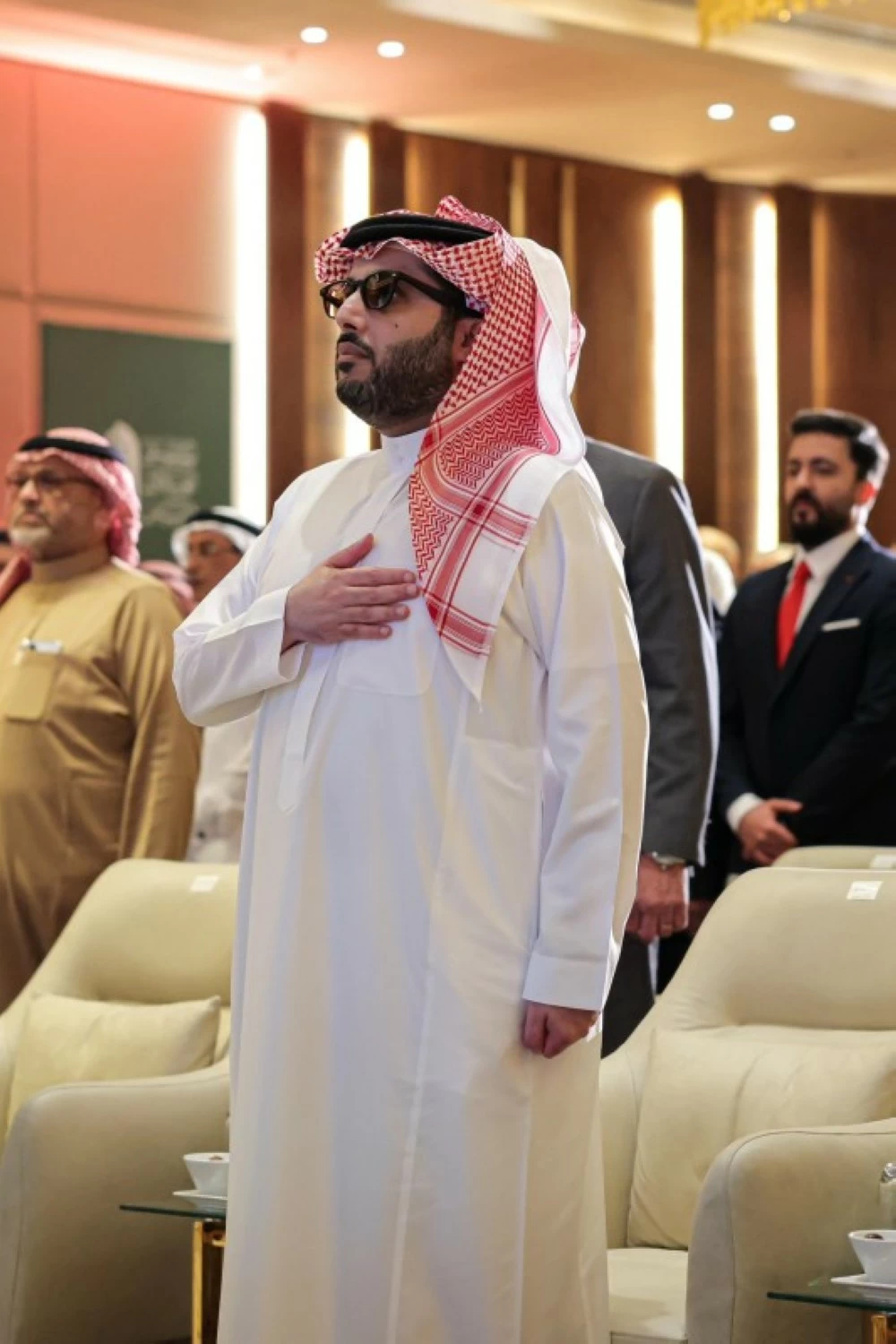
أكد رئيس مجلس إدارة الهيئة العامة للترفيه (GEA) المستشار تركي بن عبدالمحسن آل الشيخ أن فكرة عقد مؤتمر الموسيقى العربية جاءت استجابة لاحتياجات المشهدين الفني والبحثي في العالم العربي، بوصفه مؤتمرًا يسهم في تقديم أبحاث تدرس الأنماط الموسيقية، وتوثق المقامات والإيقاعات، وتستكشف سبل تطويرها وفق دور المملكة في دعم الفنون، متطلعًا إلى اكتمال عمليات توثيق المقامات الشرقية الصوتية خلال العامين القادمين، وأن يمتد التوثيق ليشمل المقامات الشرقية في إيران، بما يعزز شمولية العمل ويثري المحتوى الموسيقي العربي والشرقي.
وفي مستهل كلمته خلال مؤتمر الموسيقى العربية الذي أقيم أمس (السبت) في الرياض، أكّد المستشار تركي آل الشيخ أهمية أن يكون هناك تنسيق كامل وتكامل بين جميع الجهات المعنية في العمل الموسيقي، بما يضمن توثيق المقامات الشرقية الصوتية وتطويرها وتسجيلها وفق منهجية علمية موحدة، مع الاستفادة من الإمكانات المتقدمة التي يوفرها «استديو مرواس» لدعم هذا المشروع، مشيرًا إلى ضرورة العمل على إيجاد مقر مخصص لتعليم الموسيقى، يكون قادرًا على استيعاب الاحتياجات الأكاديمية وتدريب الأجيال القادمة.
الهدف النهائي لهذا المشروع
وبيّن أن الهدف النهائي لهذا المشروع هو أن تصل نتائجه ومخرجاته إلى كل معهد موسيقي في العالم، بما يعزز مكانة الموسيقى العربية وجعلها جزءًا من المراجع الأكاديمية الدولية.
وأوضح آل الشيخ، أن هذا المؤتمر يمثل خطوة علمية مهمة لحفظ التراث الموسيقي العربي وربط الأجيال ببعضها، من خلال جمع الخبراء والباحثين تحت سقف واحد لإثراء هذا المجال المعرفي الواسع، وترسيخ العمل العلمي المشترك في توثيق الهوية الموسيقية العربية.
وبيّن أن الهدف الرئيسي من المؤتمر هو الخروج بنتائج عملية تخدم الباحثين، وتحفظ التراث الموسيقي العربي، وتفتح آفاقًا أوسع للعمل المشترك بين الدول العربية، بما يسهم في دعم الدراسات المتخصصة، وتعزيز التعاون في مجالات التوثيق والتطوير الموسيقي.
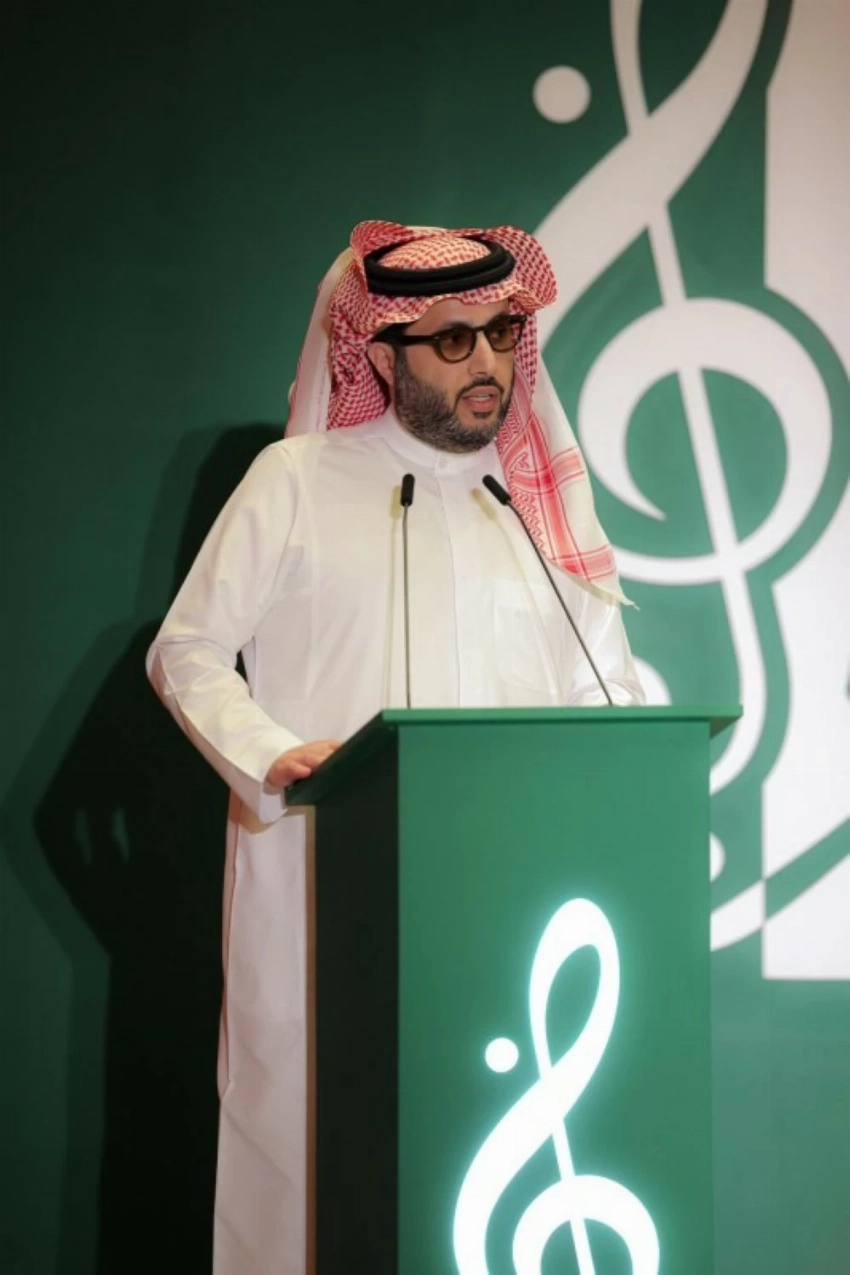
المستشار تركي آل الشيخ متحدثاً في المؤتمر.
تكاتف الجهود وتنسيق الأدوار
ونوّه بأهمية التكامل بين القطاعات في المملكة، موضحًا أن العمل الجاري اليوم لا تقوم عليه جهة واحدة منفردة، بل يعتمد على تعاون وثيق بين مختلف المؤسسات، بحيث يكمل كل قطاع الآخر بصورة تسهم في تعزيز قوة المخرجات وعمقها، مشيرًا إلى أن التجارب الماضية أثبتت أن المشاريع الكبرى لا تتحقق إلا بتكاتف الجهود وتنسيق الأدوار بين الجهات المعنية.
وأوضح أن انعقاد هذا المؤتمر يعكس نموذجًا واضحًا لهذا التكامل، حيث أتاح التعاون بين وزارة الثقافة والهيئة العامة للترفيه آفاقًا أوسع للعمل، وفتح مساحات أكبر لإنجاز المشاريع العلمية المشتركة، وهو ما يعزز حضور المملكة إقليميًا ودوليًا في المجالات الثقافية والموسيقية.
دراسة التوصيات والملاحظات
وأكّد أن جميع التوصيات والملاحظات التي تقدم بها رؤساء اللجان من مختلف الدول المشاركة، ستكون محل اهتمام وعناية كاملة، وسيجري دراستها بشكل شامل بما يحقق الأهداف المشتركة ويدعم الجهود العربية في مجال التوثيق الموسيقي.
وبعد ثمانية أشهر من العمل المتواصل الذي انطلق من خلال عدة لجان تشكل الوطن العربي إضافة إلى تركيا، أصدر المؤتمر مجموعة من التوصيات الهادفة إلى صون التراث الموسيقي العربي وتطويره والارتقاء بجهود البحث والتوثيق في مختلف أنحاء الوطن العربي.
وجاءت هذه التوصيات في إطار رؤية موسيقية موحَّدة تستشرف مستقبلاً أكثر تطورًا للمقامات والإيقاعات والآلات الموسيقية العربية، وتدعو إلى اعتماد مخرجات علمية متماسكة تعزز حضور الموسيقى العربية في العالم.
مشروع عربي شامل لتوثيق المقامات والإيقاعات
وأكدت التوصيات، أهمية تنفيذ مشروع عربي شامل لتوثيق المقامات والإيقاعات والآلات الموسيقية وفق منهجيات علمية دقيقة، تشمل التدوين والتحليل والمسح الميداني والرجوع إلى المراجع التاريخية، إلى جانب حفظ التراث الشفهي وإعادة تسجيل النماذج النغمية القديمة والحديثة، بما يؤسس لمرجع عربي موثق يكون نقطة انطلاق لأجيال الباحثين والممارسين.
وشدد المؤتمر على ضرورة إنشاء منظومات رقمية حديثة تشمل مكتبات إلكترونية مفتوحة، ومنصّات تعليمية تفاعلية متخصصة في المقامات والإيقاعات، وتطبيقات عبر الهواتف الذكية تتيح الوصول السهل إلى المحتوى المكتوب والمسموع والمرئي، كما دعت التوصيات إلى تسجيل الأعمال الموسيقية والتقليدية بطريقة صوتية وبصرية عالية الجودة، بما يضمن توفير نماذج معتمدة ودقيقة للدارسين والمهتمين.
كما أوصى بإطلاق أكاديمية عربية عليا للعلوم والفنون الموسيقية تكون أول مؤسسة بحثية وتعليمية متخصصة في دراسة الموسيقى العربية، وتعمل على تطوير المناهج الأكاديمية وتعزيز الدراسات المقامية والإيقاعية، ودعم الباحثين الشباب، وربط الموسيقى العربية بالمعايير العلمية الحديثة مع الحفاظ على خصوصيتها الأصيلة.
تضمين الإيقاعات في برامج التعليم الموسيقي
ودعا المؤتمر إلى إدراج التراث الموسيقي العربي بكل مدارسه وتنوعه في المناهج التعليمية، وتضمين الإيقاعات والطبوع والآلات المحلية في برامج التعليم الموسيقي في المدارس والمعاهد ومراكز التدريب، بما يسهم في تعزيز وعي الأجيال الجديدة بهذا الإرث الكبير.
وأوصى المؤتمر بتنظيم مسابقة سنوية عربية لأفضل بحث أو كتاب في الفكر الموسيقي، وتكريم الشخصيات التي أسهمت في خدمة الموسيقى العربية والبحث العلمي، وتشجيع عمليات تحقيق المخطوطات الموسيقية ودراسة القوالب والصيغ الغنائية والآلات التراثية وطرق الأداء.
وحث المؤتمر على توسيع جهود تسجيل الأعمال الموسيقية النادرة في مختلف الدول العربية، وإنشاء أرشيف موسيقي يشمل التسجيلات التاريخية والمواد الوثائقية المهددة بالاندثار؛ بهدف حفظها وإتاحتها للباحثين.
مراجعة ما يتم إنجازه من أعمال توثيقية
كما تضمنت التوصيات أهمية مراجعة ما يتم إنجازه من أعمال توثيقية بشكل مستمر؛ لتصحيح الثغرات والارتقاء بجودة الأداء العلمي، وتشجيع تبادل الخبرات بين الدول العربية، وضمان استمرار الدعم للمشاريع البحثية والموسيقية المشتركة.
وبهذه التوصيات الموحدة، يؤسس مؤتمر الموسيقى العربية في الرياض لرؤية جديدة تتعامل مع التراث الموسيقي العربي بوصفه مشروعًا علميًا وثقافيًا مستدامًا قائمًا على التوثيق الدقيق، والتطوير المؤسسي، والتعليم، والبحث، والتحول الرقمي، بما يتيح للموسيقى العربية أن تواصل حضورها المتجدد وتستعيد مكانتها الريادية في العالم.
ويأتي المؤتمر بوصفه أول تجمع علمي موسيقي شامل يدمج بين الهوية العربية والمنهج الأكاديمي، مستهدفًا بناء مرجع عربي موحد للمقامات والإيقاعات، وتوثيق الفنون الموسيقية وفق أساليب بحثية حديثة، تعزز من حضور الموسيقى العربية في إطار علمي متكامل.
منهجية بحثية لجمع الأداءات الموسيقية
ويترأس المستشار تركي بن عبدالمحسن آل الشيخ أعمال المؤتمر، فيما تتولى اللجنة العليا برئاسة الموسيقار الدكتور بسام بن غازي البلوشي الإشراف على الجوانب التنظيمية والعلمية، بمشاركة نخبة من كبار الباحثين والأكاديميين العرب، إلى جانب لجان تمثل جميع الدول العربية دون استثناء، بما يعكس شمولية الحضور واتساع النطاق البحثي للمؤتمر.
ويرتكز المؤتمر على منهجية بحثية موسعة تعتمد على زيارات ميدانية تهدف إلى جمع الأداءات الموسيقية من مصادرها الشعبية وتوثيقها صوتيًا ونوتيًا ضمن أرشيف موسيقي موحد، إضافة إلى مراجعة وتحديث المصطلحات والمفاهيم التاريخية التي وردت في مؤتمر القاهرة عام 1932، بما يسهم في مواءمتها مع الاحتياجات البحثية المعاصرة.
وتقوم اللجنة السعودية بدور محوري في هذا المشروع من خلال توثيق الفنون المحلية في مختلف مناطق المملكة، حيث أسفرت الجهود عن تسجيل (14) مقامًا حجازيًا وأكثر من (160) إيقاعًا سعوديًا، جُمعت ميدانيًا من المؤدين المحليين، في خطوة تعكس ثراء الإرث الموسيقي الوطني وتنوعه الكبير، وتؤكد أهمية المحافظة على هذا التراث ضمن سياق علمي موثق.
The Chairman of the Board of the General Entertainment Authority (GEA), Advisor Turki bin Abdul Mohsen Al-Sheikh, confirmed that the idea of holding the Arab Music Conference came in response to the needs of the artistic and research scenes in the Arab world, as it is a conference that contributes to presenting research studying musical patterns, documenting maqamat and rhythms, and exploring ways to develop them in line with the Kingdom's role in supporting the arts. He looks forward to completing the documentation processes of Eastern vocal maqamat over the next two years and extending the documentation to include Eastern maqamat in Iran, which enhances the comprehensiveness of the work and enriches the Arab and Eastern musical content.
At the beginning of his speech during the Arab Music Conference held yesterday (Saturday) in Riyadh, Advisor Turki Al-Sheikh emphasized the importance of having full coordination and integration among all relevant parties in musical work, ensuring the documentation, development, and recording of Eastern vocal maqamat according to a unified scientific methodology, while benefiting from the advanced capabilities provided by the "Marwas Studio" to support this project. He pointed out the necessity of working to find a dedicated place for teaching music that can accommodate academic needs and train future generations.
The ultimate goal of this project
He indicated that the ultimate goal of this project is for its results and outputs to reach every music institute in the world, which enhances the status of Arab music and makes it part of international academic references.
Al-Sheikh explained that this conference represents an important scientific step to preserve Arab musical heritage and connect generations with each other by bringing together experts and researchers under one roof to enrich this vast field of knowledge and establish joint scientific work in documenting the Arab musical identity.
He clarified that the main goal of the conference is to produce practical results that serve researchers, preserve Arab musical heritage, and open wider horizons for joint work among Arab countries, contributing to supporting specialized studies and enhancing cooperation in the fields of documentation and musical development.
المستشار تركي آل الشيخ متحدثاً في المؤتمر.
Cooperation of efforts and coordination of roles
He noted the importance of integration among sectors in the Kingdom, explaining that the work currently underway is not dependent on a single entity but relies on close cooperation among various institutions, so that each sector complements the others in a way that contributes to enhancing the strength and depth of the outputs. He pointed out that past experiences have proven that major projects can only be achieved through the cooperation of efforts and coordination of roles among the relevant parties.
He explained that the holding of this conference reflects a clear model of this integration, as the cooperation between the Ministry of Culture and the General Entertainment Authority has opened wider horizons for work and created larger spaces for accomplishing joint scientific projects, which enhances the Kingdom's presence regionally and internationally in cultural and musical fields.
Studying recommendations and observations
He confirmed that all recommendations and observations submitted by the heads of committees from various participating countries will be given full attention and care, and will be studied comprehensively to achieve common goals and support Arab efforts in the field of musical documentation.
After eight months of continuous work that began through several committees representing the Arab world in addition to Turkey, the conference issued a set of recommendations aimed at preserving Arab musical heritage, developing it, and elevating research and documentation efforts across the Arab world.
These recommendations came within the framework of a unified musical vision that anticipates a more developed future for maqamat, rhythms, and Arab musical instruments, calling for the adoption of cohesive scientific outputs that enhance the presence of Arab music in the world.
A comprehensive Arab project for documenting maqamat and rhythms
The recommendations emphasized the importance of implementing a comprehensive Arab project to document maqamat, rhythms, and musical instruments according to precise scientific methodologies, including notation, analysis, field surveys, and reference to historical sources, in addition to preserving oral heritage and re-recording old and modern melodic models, establishing a documented Arab reference that serves as a starting point for generations of researchers and practitioners.
The conference stressed the necessity of creating modern digital systems that include open electronic libraries, interactive educational platforms specialized in maqamat and rhythms, and applications via smartphones that allow easy access to written, audio, and visual content. The recommendations also called for recording musical and traditional works in high-quality audio and visual formats, ensuring the provision of approved and accurate models for students and enthusiasts.
It also recommended launching a higher Arab academy for music and arts sciences that would be the first research and educational institution specialized in studying Arab music, working on developing academic curricula, enhancing studies related to maqamat and rhythms, supporting young researchers, and linking Arab music to modern scientific standards while preserving its authentic uniqueness.
Incorporating rhythms into music education programs
The conference called for including Arab musical heritage in all its schools and diversity in educational curricula, incorporating rhythms, styles, and local instruments in music education programs in schools, institutes, and training centers, contributing to enhancing the awareness of new generations about this great heritage.
The conference recommended organizing an annual Arab competition for the best research or book in musical thought, honoring individuals who contributed to serving Arab music and scientific research, and encouraging the processes of achieving musical manuscripts and studying song forms, genres, and traditional instruments and performance methods.
The conference urged expanding efforts to record rare musical works in various Arab countries and establishing a musical archive that includes historical recordings and documentary materials at risk of extinction, with the aim of preserving them and making them available to researchers.
Reviewing the progress of documentation works
The recommendations also included the importance of continuously reviewing the progress of documentation works to correct gaps and elevate the quality of scientific performance, encouraging the exchange of experiences among Arab countries, and ensuring continued support for joint research and musical projects.
With these unified recommendations, the Arab Music Conference in Riyadh establishes a new vision that treats Arab musical heritage as a sustainable scientific and cultural project based on accurate documentation, institutional development, education, research, and digital transformation, allowing Arab music to continue its renewed presence and regain its pioneering status in the world.
The conference comes as the first comprehensive scientific musical gathering that integrates Arab identity with the academic approach, aiming to build a unified Arab reference for maqamat and rhythms, and documenting musical arts according to modern research methods that enhance the presence of Arab music within a comprehensive scientific framework.
A research methodology for collecting musical performances
Advisor Turki bin Abdul Mohsen Al-Sheikh presides over the conference, while the higher committee, chaired by musician Dr. Bassam bin Ghazi Al-Balushi, oversees the organizational and scientific aspects, with the participation of a select group of prominent Arab researchers and academics, alongside committees representing all Arab countries without exception, reflecting the inclusiveness of attendance and the broad research scope of the conference.
The conference is based on an expanded research methodology that relies on field visits aimed at collecting musical performances from their popular sources and documenting them both audibly and notationally within a unified musical archive, in addition to reviewing and updating the historical terms and concepts mentioned in the Cairo Conference of 1932, contributing to aligning them with contemporary research needs.
The Saudi committee plays a pivotal role in this project by documenting local arts in various regions of the Kingdom, where efforts have resulted in the recording of (14) Hijazi maqamat and more than (160) Saudi rhythms, collected field-wise from local performers, in a step that reflects the richness and diversity of the national musical heritage and emphasizes the importance of preserving this heritage within a documented scientific context.