


في ذكرى رحيله السابعة، يُستعاد اسم الفنان القطري عبدالعزيز جاسم، كإحدى العلامات التي أسّست لمرحلة ناضجة من الدراما الخليجية. فهو من أولئك الذين جعلوا من التمثيل خطاباً فنياً يشتبك مع الواقع دون أن يفقد قيمته الجمالية. في سيرته ما يتجاوز مفهوم النجومية إلى الممارسة الواعية للفن؛ فكل ظهورٍ له كان بمثابة حوار مفتوح بين النص والإنسان، بين الدراما بوصفها صناعة، والفن بوصفه إدراكاً للحياة.
تتميّز تجربة عبدالعزيز جاسم، بأنّها لم تُبنَ على التكلّف أو البحث عن البطولة، بل على إدراك جوهر الشخصية داخل المشهد. كان يقرأ النصوص بوعيٍ نفسي وسوسيولوجي، فيفكّك الموقف من الداخل قبل أن يُلبسه شكلاً خارجياً. أداؤه لم يكن تقليداً للواقع، بل تفسير له. حين يضحك، كان يمنح الضحكة سياقها الاجتماعي، وحين يحزن، يترك في الحزن بُعداً تأملياً يتجاوز الحدث الدرامي. لذلك، لم يكن التناقض بين الكوميديا والتراجيديا لديه انفصالاً بين حالتين، بل تكامل بين مستويين في رؤية واحدة؛ الإنسان كما هو، بكل ما فيه من بساطة وتعقيد.
وفي سياق إقليمي تتقاطع به التجارب الخليجية، لمع جاسم في لحظة احتدام فنيّ حقيقي.
ففي الثمانينات والتسعينات، كانت الدراما الكويتية تتصدّر المشهد الخليجي بإنتاجها المتكامل ومدارسها الفنية الراسخة، بينما كانت الدراما السعودية تنمو بوعي واقعيّ جديد يحاكي المجتمع من الداخل.. وسط هذا الحضور القوي، استطاع جاسم أن يخلق لنفسه موقعاً واضحاً، لا كمنافس، بل كصوتٍ متفرّد في نبرته، مثقف في اختياره، وملتزم بأدواته. وقد أوجد توازناً نادراً بين الحضور المحلي في قطر والمشاركة الواسعة في الأعمال الخليجية، فكان جسراً فنياً بين التجارب الخليجية دون أن يتنازل عن هويته الفنية القطرية التي حملت ملامح النضج والتجريب.
امتلك جاسم، قدرة دقيقة على التعامل مع الموقف الدرامي ككائن حيّ. كان يدرك أن كل لحظة على الشاشة تتطلب اقتصاداً في الحركة وتكثيفاً في التعبير، لهذا، جاءت معظم مشاهده مشبعة بإيقاع داخلي يفرض الإقناع لا بالصوت بل بالإحساس. هذه المدرسة في الأداء - المدرسة التي لا ترفع الصوت بل ترفع الوعي - جعلته في نظر النقّاد ممثلاً متصالحاً مع أدواته، يشتغل على التفاصيل الصغيرة كأنها نَصّ داخل النص، وعلى الإيماءة كأنها حوار مستقل.
عبدالعزيز جاسم، في جوهر تجربته، لم يكن فقط ممثلاً متقناً، بل صاحب مشروع فني مستتر؛ مشروع يقوم على إعادة تعريف الممثل الخليجي كمثقف بالفنّ، لا مجرد منفّذ للنص.
#بروفايل
في ذكرى رحيله السابعة.. عبدالعزيز جاسم.. وجه فني لا يغيب عن ذاكرة الشاشة
15 أكتوبر 2025 - 01:06
|
آخر تحديث 15 أكتوبر 2025 - 01:14
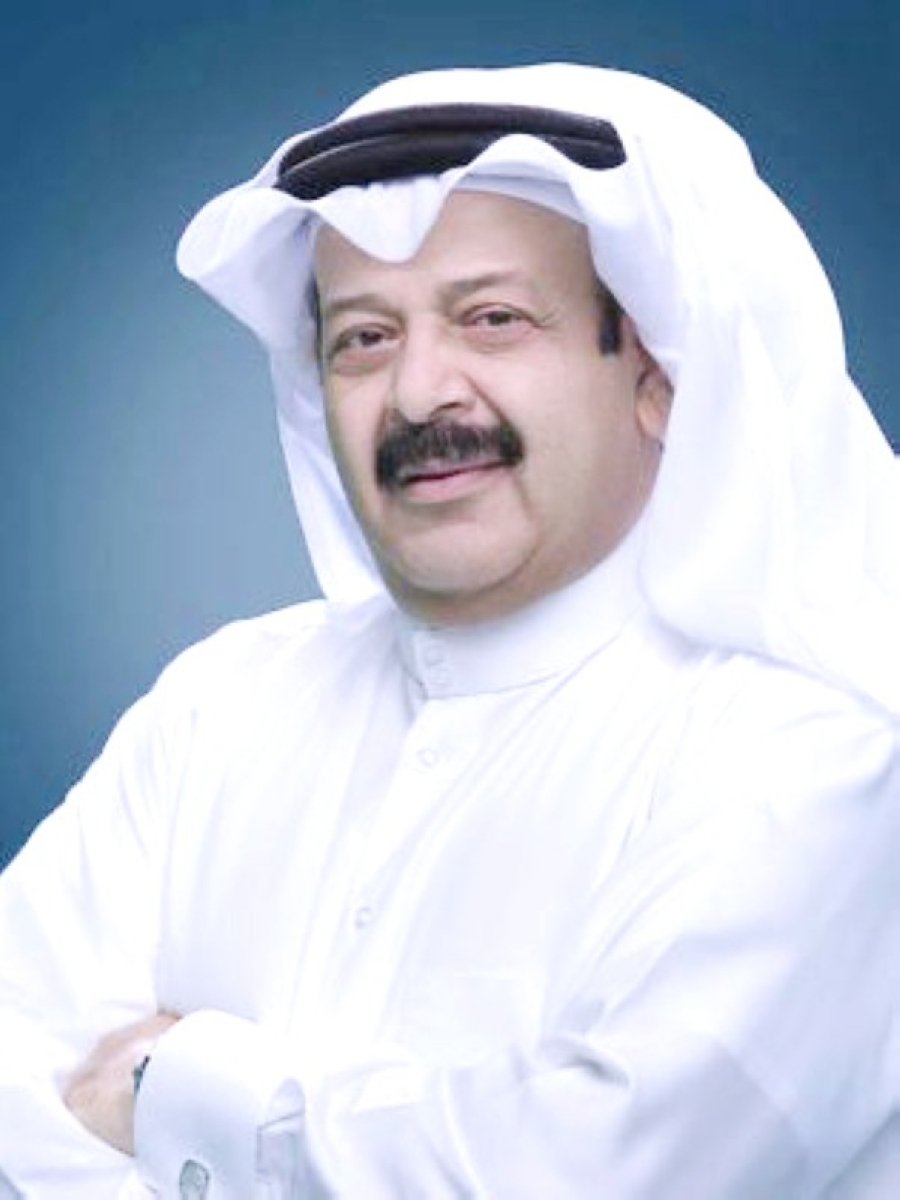
عبدالعزيز جاسم


تابع قناة عكاظ على الواتساب
عكاظ (جدة) OKAZ_online@
On the seventh anniversary of his passing, the name of Qatari artist Abdulaziz Jassim is recalled as one of the figures who established a mature phase of Gulf drama. He is among those who transformed acting into an artistic discourse that engages with reality without losing its aesthetic value. His biography transcends the concept of stardom to encompass a conscious practice of art; every appearance of his was like an open dialogue between the text and the human being, between drama as a craft and art as an understanding of life.
Abdulaziz Jassim's experience is characterized by the fact that it was not built on affectation or the pursuit of heroism, but on understanding the essence of the character within the scene. He read texts with psychological and sociological awareness, deconstructing the situation from within before dressing it in an external form. His performance was not a mere imitation of reality, but an interpretation of it. When he laughed, he provided the laughter with its social context, and when he mourned, he left in sorrow a contemplative dimension that transcended the dramatic event. Therefore, the contradiction between comedy and tragedy for him was not a separation between two states, but a complementarity between two levels within a single vision; humanity as it is, with all its simplicity and complexity.
In a regional context where Gulf experiences intersect, Jassim shone at a moment of genuine artistic intensity.
In the 1980s and 1990s, Kuwaiti drama was at the forefront of the Gulf scene with its integrated productions and established artistic schools, while Saudi drama was growing with a new realistic awareness that mirrored society from within. Amid this strong presence, Jassim was able to carve out a clear position for himself, not as a competitor, but as a unique voice in tone, cultured in choice, and committed to his tools. He created a rare balance between local presence in Qatar and wide participation in Gulf works, serving as an artistic bridge between Gulf experiences without compromising his Qatari artistic identity, which bore the marks of maturity and experimentation.
Jassim possessed a precise ability to treat the dramatic situation as a living entity. He understood that every moment on screen required an economy of movement and a concentration of expression; thus, most of his scenes were saturated with an internal rhythm that imposed persuasion not through sound but through feeling. This school of performance—the school that does not raise the voice but raises awareness—made him, in the eyes of critics, an actor at peace with his tools, working on small details as if they were a text within the text, and on gestures as if they were an independent dialogue.
At the core of Abdulaziz Jassim's experience, he was not just a skilled actor, but the owner of a hidden artistic project; a project aimed at redefining the Gulf actor as a cultural figure in art, not merely a performer of the text.
Abdulaziz Jassim's experience is characterized by the fact that it was not built on affectation or the pursuit of heroism, but on understanding the essence of the character within the scene. He read texts with psychological and sociological awareness, deconstructing the situation from within before dressing it in an external form. His performance was not a mere imitation of reality, but an interpretation of it. When he laughed, he provided the laughter with its social context, and when he mourned, he left in sorrow a contemplative dimension that transcended the dramatic event. Therefore, the contradiction between comedy and tragedy for him was not a separation between two states, but a complementarity between two levels within a single vision; humanity as it is, with all its simplicity and complexity.
In a regional context where Gulf experiences intersect, Jassim shone at a moment of genuine artistic intensity.
In the 1980s and 1990s, Kuwaiti drama was at the forefront of the Gulf scene with its integrated productions and established artistic schools, while Saudi drama was growing with a new realistic awareness that mirrored society from within. Amid this strong presence, Jassim was able to carve out a clear position for himself, not as a competitor, but as a unique voice in tone, cultured in choice, and committed to his tools. He created a rare balance between local presence in Qatar and wide participation in Gulf works, serving as an artistic bridge between Gulf experiences without compromising his Qatari artistic identity, which bore the marks of maturity and experimentation.
Jassim possessed a precise ability to treat the dramatic situation as a living entity. He understood that every moment on screen required an economy of movement and a concentration of expression; thus, most of his scenes were saturated with an internal rhythm that imposed persuasion not through sound but through feeling. This school of performance—the school that does not raise the voice but raises awareness—made him, in the eyes of critics, an actor at peace with his tools, working on small details as if they were a text within the text, and on gestures as if they were an independent dialogue.
At the core of Abdulaziz Jassim's experience, he was not just a skilled actor, but the owner of a hidden artistic project; a project aimed at redefining the Gulf actor as a cultural figure in art, not merely a performer of the text.


