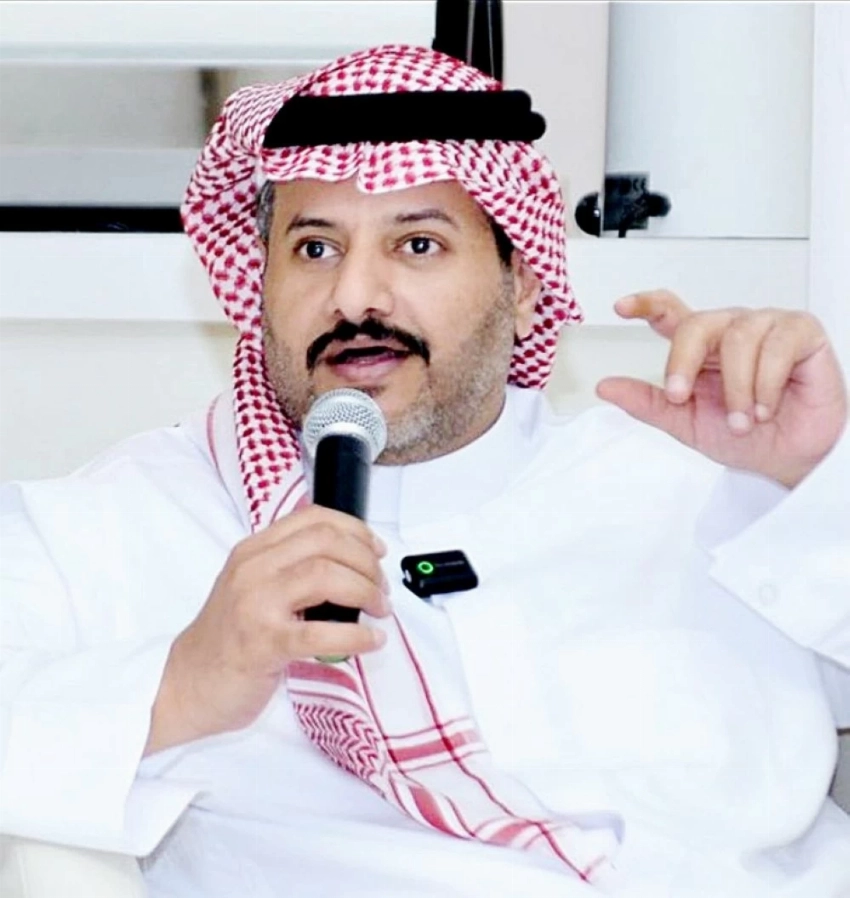
في المشهد الثقافي السعودي، يبرز طارق بن سعد القرني بوصفه صوتاً يجمع بين الحسّ الإبداعي والوعي الفكري، متنقّلاً بثقة بين فضاءات الكلمة وأسئلتها الكبرى. لم تكن تجربته وليدة المصادفة، بل نتاج مسار طويل من القراءة، والكتابة، والانشغال العميق بقضايا الثقافة والإنسان. في هذا الحوار، نقترب من طارق سعيد القرني لا بوصفه اسماً في المشهد فحسب، بل بوصفه تجربة تتشكّل على مهل، نحاوره حول علاقته بالقراءة وتحولاته الفكرية، ورؤيته للمشهد الثقافي، وأسئلته المفتوحة على المشهد الثقافي.
طارق القرني
• كيف تشكّلت علاقتك الأولى بالقراءة والكتابة؟
•• بدأت علاقتي بالقراءة والكتابة منذ الصغر، لكنها لم تكن منضبطة ولا غاية لها، وبعد دخولي الجامعة أصبت بوعكة صحية/نفسية جعلتني أقرأ لأفهم نفسي وما الذي أشعر به، فصارت القراءة حالة وجودية وليست وظيفية، بمعنى آخر؛ أصبحت أقرأ لأجد نفسي لا لأحصل على شهادة أو وظيفة.
تخصصت في اللغة ثم في المناهج النقدية، ومنهما انطلقت لباقي العلوم الإنسانية لأوسع مداركي حول اللغة، ولم أفكر يوما -وما زلت- في الحديث عن غير اللغة وعوالمها، لكن فهمي للغة قد يكون مختلفاً عن كثير من الدارسين، فأنا أنظر للغة باعتبارها بيت الوجود -بلغة هيدغر- ومظلة الفهم والإدراك، ومنها يتكون كل تركيب يصلح بعده لفهم النفس والمجتمع والسياسة والتاريخ والدين، فتتحول اللغة إلى نمط تفكير فلا تبقى خاملة للحفظ والتداول البارد.
وفق ما سبق؛ أحب اللغة ومنها دخلت عالم القراءة الواسع للحياة والنفس، ووفق نمطها أكتب، ولا أعرف غيرها وسيلة للتعالق مع الحياة ومن فيها.
• ماذا عن اللحظة المفصلية التي غيّرت مسارك الثقافي؟
•• لا أعرف لحظة بعينها كانت فارقة في حياتي الشخصية أو الثقافية، حياتي بسيطة حد الروتين البارد، ولست بالذي تعود على الجدل والخصومات كي أُصدم فتتغير رؤيتي، لكني أنعطف حسب ما تقتضيه أنماط الأفكار التي أنتهي إليها، ولا أكابر إنْ وجدت التغيير أسلم، لأني كما قلت سابقاً أعدّ العلم حالة وجودية لا وظيفية، وما دام هو وجود فلا بد من الأخذ بالفكرة الأجدر حجاجياً وعدم المكابرة على ما يعيق تقدمي أو وجودي، وهذا وفق شرط مثالي مهم وهو ألا ينقض أو يضاد هذا التغيير ما أعده أصلاً من الأصول.
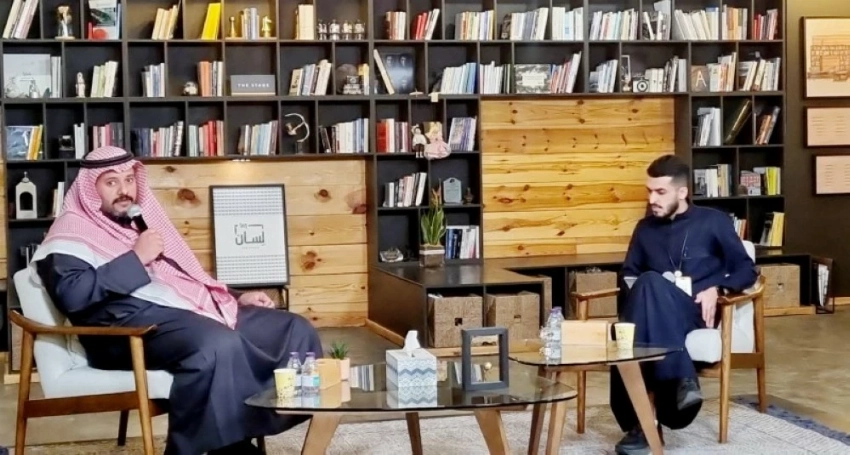
القرني ضيفاً في لقاء لسان متحدثاً عن اكتساب اللغة.
• هل تكتب لتقول رأياً؟ أم لتطرح سؤالاً؟ أم لتقاوم النسيان؟
•• أكتب لأتحرر من فكرة داخلية أريدها أن تختبر قوتها أمامي في الواقع، أستفزها بالكتابة كي أرى كيف تدافع عن نفسها وجدارتها بالوجود والبقاء، أكتبها كي أعبر لنفسي وللآخر عن توقي للتواصل مع غيري.
الكتابة هي القدرة على وضع المعهود الذهني في مقامه الصحيح واقعياً، وهذه اللعبة اللغوية أعتقد أني أجيدها إلى حد جيد، فالكتابة غير السبب الأول أعدّها نوعاً من الترفيه العقلي.
• المشهد الثقافي السعودي، كيف تقرأه اليوم؟ وما الذي تغيّر فيه فعلياً لا شكلياً؟
•• المشهد الثقافي حالياً جيد، وإنْ كان ينحو للكمّ أكثر من الكيف أو النوع، لكنه جيد لأنه مجال يربي نفسه بنفسه، أو أن المتلقي يربي عقله ويختار من يبقى معه ويدرس عليه.
الثقافة بمعناها الواسع جديدة على مجتمعنا، وجدتها في مفهوم التخصص أو الاحتراف، وليس الأكاديمي أو الخبير، فالمتخصص هو من تشرب ما يتحدث عنه وليس من حصل على شهادة فيه قد تكون ورقية أكثر من كونها جدارة معرفية، وليس الخبير بمعنى الذي تعود إنما المحترف الذي وصل لمعرفة كيفية التركيب بين أجزاء ما يقدمه فصار قادراً على وضع بصمته، ولكي ننتقل إلى صنع فضاء ثقافي مميز نحتاج لوقت وعمر وتربية ذهنية تجعلنا ننتج دون تكلف أو رغبة في الانتصار الشخصي والشهرة، فالمحصلة أن المشهد الثقافي جيد وينمو بطريقة صحية.
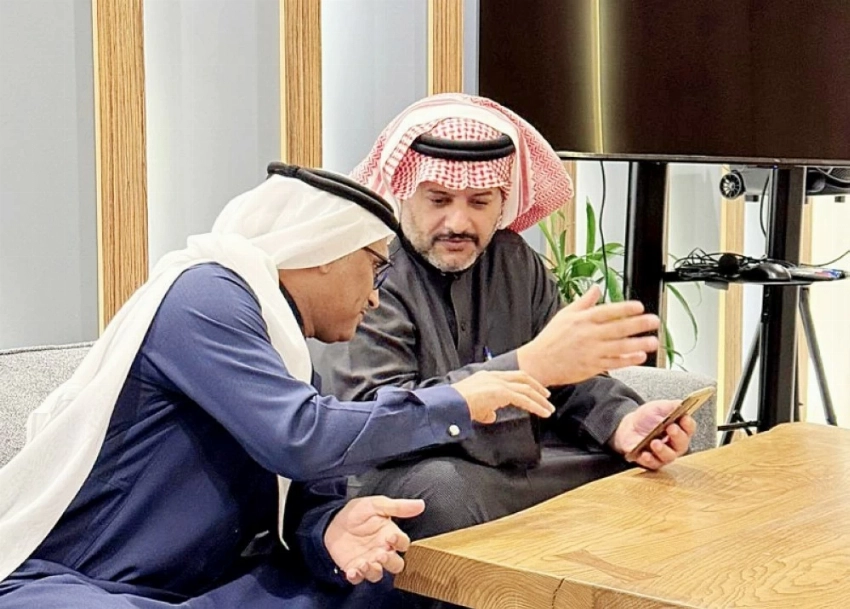
القرني قبل بدء إحدى الفعاليات الثقافية إلى جوار أسامة الواصلي.
• كثرة المنصات.. هل أضعفت القيمة؟ أم وسّعت دوائر التأثير؟
•• كثرة المنصات ظاهرة صحية، والمهم أن تنقح نفسها واختياراتها كي لا تكون مملة أو سطحية ضعيفة، وكي تتطور هذه المنصات فلا بد من تغير عقل المتلقي والمُلقي والمنتج لهذه البرامج، فهذا التركيب المثلث يدعم كل طرف تطور الآخر ونموه عبر المزيد من الحوارات النقدية التي تنمي التصورات وتستفز العقول، فالتطور الحقيقي ليس تقنية البرامج والمنصات بل تطور ونمو العقول التي تعمل عليها، ولعل من المبكر الشكوى والتذمر حيال هذه المنصات وكثرتها، بل أدعو لتفهم أن المجتمع يريد أن يحكي وكل فرد يبحث عن مكانته في هذا الازدحام كي يحقق ذاته، فلا بأس من التعاون سوياً للوصول إلى ناتج يقتنع كل أحد بعد التمحيص بجدارة من بقي.
• أين تقف من الجدل الدائم حول نخبوية الثقافة وشعبويتها؟
•• أؤمن بديمقراطية المعرفة، وأن من حق كل فرد الحديث بما لا يضره ولا يخرج عن نطاق القانون والأصول العرفية للمجتمع، فالنخبوية، وفق هذا، هي صفة تقال عن صاحبها وليست وظيفة يقوم بها، وكلما زاد وعي المجتمع صار يضع نخبه بعناية ويقدم من يستحق، والنخبة ظاهرة قديمة وصحية تصف مجموعة تحملت بمسؤولية وكفاءة -أركز عليهما كثيراً- ما من شأنه تقديم الوعي بصورة تليق بمكانة المجتمع، وليست النخبوية شعاراً لطرد المختلف وإنْ كان محقاً.
في إحدى فعاليات الشريك الأدبي.
• أنت مهتمّ بالفلسفة تحاضر فيها وتكتب كثيراً عنها.. هل حشد المصطلحات والألفاظ العلمية والفلسفية دليل على أنّ صاحبها فيلسوف أو مثقف؟
•• التأصيل يلزم منه ذكر الأقوال التي قيلت في القضية المطروحة للبحث، فذكرها ليس للبقاء في ظلها بل للانتقال منها إلى الرأي الخاص بالباحث، فإن كان رأياً جديداً أو اختياراً فلا بد من دعمه بالحجج التي استند عليها في تكوين رأيه، وهذه الخطاطة هي الطريقة المعرفية الصحيحة، وصاحبها يُعد باحثاً بالمعنى المنهجي وليس حاشداً للأقوال فقط، لكن لأن الناس في مجتمعنا اعتادوا على الخطاب الديني والأدبي فصار عندهم حساسية كبيرة في مسألة النقل حتى ظنوا كل نقل عيباً في عقل الناقل وعلمه، وهذا مغالط لمن درس العلوم الإنسانية التي لا تنفك عن ذكر الأقوال السابقة والبناء عليها، ولا يهمني هل يطلق على من هذه حاله فيلسوفاً أم غيره، المهم عندي أن يقيم شروط المعرفة وينفع العقل المتلقي بما يقول.
• هناك من لا يرى القراءة والاطلاع ميزة.. ما رأيك؟
•• القراءة مختلفة عن الاطلاع؛ الأولى هي البحث في المكتوب ومقارعة الكاتب بالحجة ومعرفة كيفية تركيب الأفكار في المقروء، أما الاطلاع فنظرة سطحية ذرائعية وهدف صاحبها منها الوصول إلى معلومة مفقودة وليس إلى فهم تركيب فكري.
وعلى ما سبق؛ فالقراءة مهمة وعليها تُبنى المجتمعات والنفوس وتتطور اللغة والعقول، وقد تكون التأملات الشخصية الجادة مقارعة للقراءة فتكون بديلة عنها، فالقراءة هي عملية النفاذ إلى تأملات الكاتب، فمن استطاع تكوين عالمه التأملي بدقة ومعرفة ترتبط بالأخلاق فليس شرطاً وجودياً له أن يقرأ، فالقراءة إذن هي وسيلة للوصول إلينا وليس للخروج عن أنفسنا للتباهي أمام الآخرين.
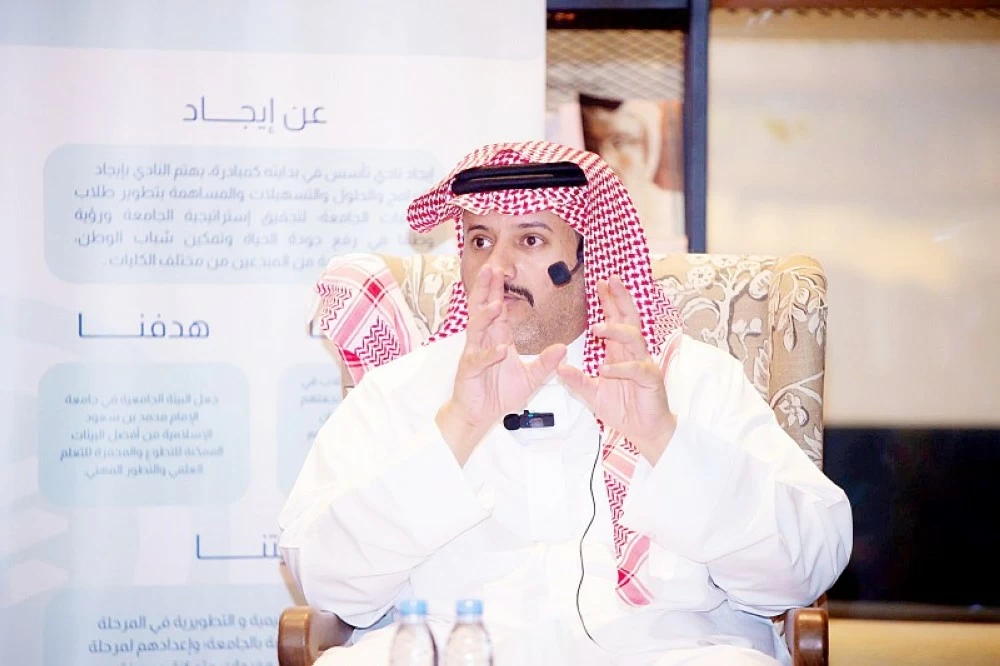
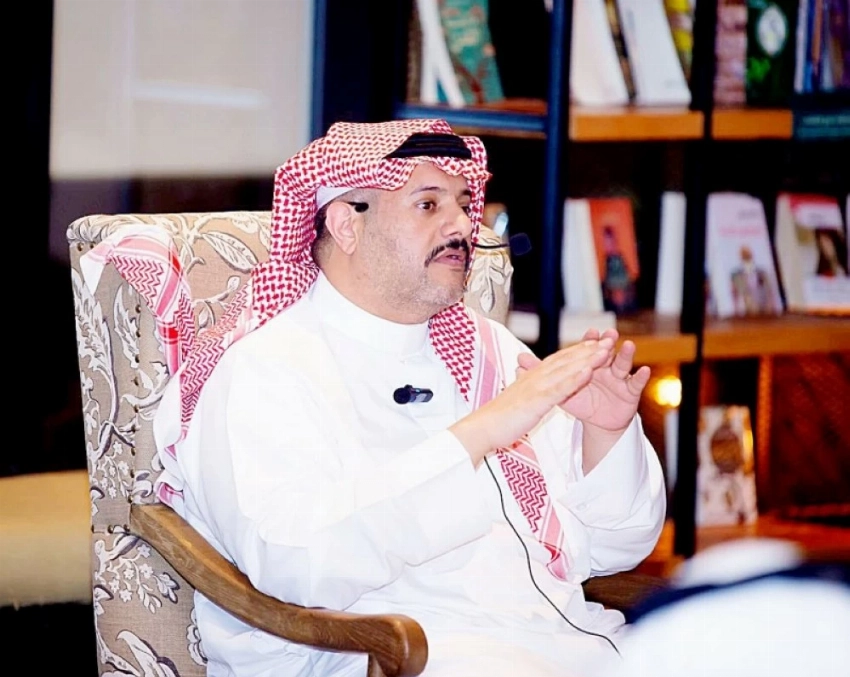
القرني متحدثًا
• من هو الفيلسوف المتمكّن؟
•• الفيلسوف المتمكن هو الذي يجعلك تفكر بمواضيع جادة لكنها مهملة، وتجدها في حياتك ومسكونة في لغتك. فهذا هو الفيلسوف الحقيقي الباحث عن الحكمة وهي وضع الشيء في مكانه الصحيح ولا يكون ذلك إلا بالبحث في الأطروحات السابقة للقضية، والحوارات الدائمة مع كل طبقات المجتمع، ثم التأمل في أفضل طريقة ممكنة للوصول إلى وضع كل مفهوم في سياقه التداولي الصحيح.
• «الاقتناع بالفكرة ليس لذاتها بل لحضور صاحبها في نفسه».. هل هذه ظاهرة في ثقافتنا اليوم؟
•• يبدو أنها ظاهرة، وهي طبيعية ما لم تكن تجاوزاً على غير الماكث في النفس، وليست سبيلاً للكذب والتدليس، والإنسان بطبعه يخجل ممن تفضل عليه ولو بالقليل، فتجده يجامله كي يبقى مستريحاً تجاه مكانته في نفسه، ولعل هذا يتنافى كما يظن البعض مع البحث والعلم والتقدم، ولا أرى ذلك إلاّ إن خالف ما اشترطته في بداية جوابي، وعندي أن البقاء في حيز طبيعتنا البشرية أهم من تنفيذ ما تعلمناه منهجياً، فالمنهج وإنْ رأيناه دقيقاً لكنه يبقى عملاً إنسانياً، فلا بأس عندي من الجمع بين «المجاملة غير الضارة» وبين النقد الموضوعي الحجاجي.
• هل يضايقك حينما يقال عنك متكلّف أو متحدث في كلّ فنّ؟
•• لا يضيق صدري من أي نقد أو قدح يقال لي، لأني حقيقة مشغول بمشروعي المعرفي وبعيد عن المناكفات التي تضر بمشروعي. أما حديثي فلم يخرج عن نطاق تخصصي في العلوم الإنسانية وفي جانبها النظري تحديداً، ومن يعرف البحث العلمي وشروطه لن يصفني بالحديث في كل علم، لكن الساحة المعرفية والثقافية عجّت بمجموعة تعودوا على طريقة التخصص الجامعي فظنوها طريقي في البحث العلمي وهذا خطأ كبير، فالباحث في اللغة -مثلاً- لا يمكن أن يهمل القراءة الدقيقة في علم النفس والاجتماع والسياسة والدين والتاريخ والأنثروبولوجيا والفلسفة، كذلك المتخصص في النفس لا بد أن يبحث في كل العلوم الإنسانية كي يهتدي لأفضل فهم للإنسان، فكل أحاديثي وكتاباتي تنطلق من هذه المقدمة المنهجية التي سار عليها الفلاسفة والباحثون عبر التاريخ إلى يومنا.
• لماذا أنت ضد النقد الثقافي؟
•• لا يوجد شيء اسمه «النقد الثقافي» إنما «دراسات ثقافية»، فالنقد علم منطقي له منهجية وسُلم تراتبي يسير عليه ليصل لغايته الموضوعية، أمّا ما يسمى النقد الثقافي فهو شماعة للحديث أو «التعنيف» عن قضية لا تروق لـ«الناقد الثقافي» فهو ينطلق من مسلّمة ليصل عبر اختيارات معينة لبغيته، فهذه هي عين الأيديولوجيا، وقوام البحث -إنْ قلنا إنه بحث- في هذا المجال البحثَ في الأنساق المضمرة، والحق أن كل العلوم تبحث في الأنساق المضمرة وتحديداً علم النفس التحليلي الذي أسسه كارل يونغ، والبحث في الأنساق المضمرة لا يصح ختمه بحكم انفعالي مثل («المتنبي شحاذ»، «المرأة معنفة»)، فهذا حكم انفعالي أيديولوجي وليس نقدياً تأويلياً (التأويل هو منهج البحث في كيفية فهم الفاعل لفعله = فهم الفهم)، وغير ذلك الكثير مما لا يمكن بعده الاعتراف بما يسمى النقد الثقافي.
In the Saudi cultural scene, Tariq bin Saad Al-Qarni stands out as a voice that combines creative sensitivity and intellectual awareness, confidently navigating the vast spaces of words and their profound questions. His experience was not a product of coincidence, but rather the result of a long journey of reading, writing, and deep engagement with cultural and human issues. In this dialogue, we approach Tariq Saeed Al-Qarni not merely as a name in the scene, but as an experience that is gradually taking shape, discussing his relationship with reading, his intellectual transformations, his vision of the cultural scene, and his open questions about the cultural landscape.
طارق القرني
• How did your initial relationship with reading and writing form?
•• My relationship with reading and writing began in childhood, but it was neither structured nor purposeful. After entering university, I experienced a health/psychological setback that made me read to understand myself and what I was feeling, so reading became an existential state rather than a functional one. In other words, I began to read to find myself, not to obtain a degree or a job.
I specialized in language and then in critical methodologies, from which I launched into other humanities to broaden my understanding of language. I have never thought—nor do I still think—about discussing anything other than language and its worlds. However, my understanding of language may differ from many scholars; I view language as the house of existence—using Heidegger's term—and the umbrella of understanding and perception, from which every structure suitable for understanding the self, society, politics, history, and religion is formed. Thus, language transforms into a mode of thinking and does not remain dormant for memorization and cold circulation.
Accordingly, I love language, and through it, I entered the vast world of reading about life and the self, and I write according to its pattern. I know no other means to engage with life and those within it.
• What about the pivotal moment that changed your cultural path?
•• I do not know of a specific moment that was decisive in my personal or cultural life. My life is simple to the point of cold routine, and I am not one who is accustomed to debates and disputes that would shock me into changing my perspective. However, I do shift according to the patterns of ideas I arrive at, and I do not hesitate if I find that change is more sound, because as I mentioned earlier, I consider knowledge to be an existential state, not a functional one. As long as it is existence, I must adopt the most compelling idea argumentatively and not stubbornly cling to what hinders my progress or existence, based on an important ideal condition that this change does not contradict or oppose what I consider foundational principles.
القرني ضيفاً في لقاء لسان متحدثاً عن اكتساب اللغة.
• Do you write to express an opinion? Or to pose a question? Or to resist forgetfulness?
•• I write to free myself from an internal idea that I want to test its strength in reality. I provoke it through writing to see how it defends itself and its worthiness of existence and continuity. I write to express to myself and to others my desire to connect with others.
Writing is the ability to place the mental known in its correct position in reality. I believe I am quite skilled at this linguistic game; writing, beyond being the primary reason, I consider it a form of mental entertainment.
• The Saudi cultural scene, how do you read it today? What has changed in it, actually, not just superficially?
•• The cultural scene is currently good, even if it tends more towards quantity than quality or type. However, it is good because it is a field that nurtures itself, or the audience cultivates their minds and chooses what remains with them and studies it.
Culture, in its broad sense, is new to our society. I found it in the concept of specialization or professionalism, not in the academic or expert sense. The specialist is someone who has absorbed what they speak about, not merely someone who has obtained a certificate that may be more paper than substantive knowledge. An expert, in this sense, is not merely someone who is accustomed to it but a professional who has reached an understanding of how to combine the parts of what they present, thus becoming capable of leaving their mark. To transition into creating a distinctive cultural space, we need time, age, and mental cultivation that allows us to produce without pretense or a desire for personal victory and fame. The result is that the cultural scene is good and growing in a healthy manner.
القرني قبل بدء إحدى الفعاليات الثقافية إلى جوار أسامة الواصلي.
• The abundance of platforms... has it weakened value? Or expanded circles of influence?
•• The abundance of platforms is a healthy phenomenon, and what matters is that they refine themselves and their choices so they do not become boring or superficially weak. For these platforms to develop, there must be a change in the minds of the audience, the speaker, and the producer of these programs. This triangular structure supports each party's development and growth through more critical dialogues that enrich perceptions and stimulate minds. True development is not about the technology of programs and platforms but the development and growth of the minds that work on them. It may be premature to complain and grumble about these platforms and their abundance; rather, I invite understanding that society wants to tell stories, and each individual seeks their place in this crowd to realize themselves. Therefore, it is acceptable to collaborate together to reach a result that everyone can agree upon after scrutiny regarding the worthiness of those who remain.
• Where do you stand on the ongoing debate about the elitism of culture and its populism?
•• I believe in the democracy of knowledge and that every individual has the right to speak as long as it does not harm them or go beyond the law and the customary principles of society. Thus, elitism, in this context, is a trait attributed to its owner and not a function they perform. As society's awareness increases, it carefully places its elites and presents those who deserve it. Elitism is an old and healthy phenomenon that describes a group that has responsibly and competently borne the task of presenting awareness in a manner befitting the status of society, and it is not a slogan for expelling the different, even if they are right.
في إحدى فعاليات الشريك الأدبي.
• You are interested in philosophy, you lecture on it and write extensively about it... Is the accumulation of scientific and philosophical terms and vocabulary evidence that its owner is a philosopher or a cultured person?
•• Establishing a foundation requires mentioning the statements made about the issue under discussion. Citing them is not to remain under their shadow but to transition from them to the researcher's personal opinion. If it is a new opinion or choice, it must be supported by the arguments on which it is based. This outline is the correct epistemological method, and its owner is considered a researcher in the methodological sense, not merely someone who accumulates statements. However, because people in our society have become accustomed to religious and literary discourse, they have developed a significant sensitivity regarding the issue of citation, to the extent that they believe every citation is a flaw in the intellect and knowledge of the citer. This is misleading for those who study the humanities, which cannot be separated from mentioning previous statements and building upon them. I do not care whether someone in this situation is called a philosopher or not; what matters to me is that they establish the conditions of knowledge and benefit the receiving mind with what they say.
• There are those who do not see reading and exposure as an advantage... what is your opinion?
•• Reading is different from exposure; the former is the search in the written word and the confrontation of the writer with argumentation and understanding how to structure ideas in the text. Exposure, on the other hand, is a superficial, pragmatic glance, and its owner's goal is to reach a missing piece of information rather than to understand a conceptual structure.
Accordingly, reading is important, and upon it societies and souls are built, and language and minds develop. Serious personal reflections may rival reading and serve as an alternative to it. Reading is the process of penetrating the writer's reflections; thus, someone who can create their contemplative world with precision and knowledge tied to ethics does not necessarily have to read. Therefore, reading is a means to reach us, not to escape ourselves to boast before others.
القرني متحدثًا
• Who is the competent philosopher?
•• The competent philosopher is one who makes you think about serious topics that are often neglected, and you find them in your life and embedded in your language. This is the true philosopher seeking wisdom, which is placing things in their correct place, and this can only be achieved by researching previous propositions on the issue, engaging in ongoing dialogues with all layers of society, and then contemplating the best possible way to place each concept in its correct discursive context.
• “Believing in an idea is not for its own sake but for the presence of its owner within oneself”... is this a phenomenon in our culture today?
•• It seems to be a phenomenon, and it is natural as long as it does not transgress against those who do not remain within oneself, and it is not a way to lie or deceive. A person, by nature, feels shy towards someone who has favored them, even if slightly, so you find them flattering to remain comfortable regarding their status within themselves. Perhaps this contradicts, as some believe, with research, knowledge, and progress, but I see this only if it contradicts what I stipulated at the beginning of my answer. I believe that remaining within the bounds of our human nature is more important than executing what we have learned methodologically. The methodology, even if we see it as precise, remains a human endeavor. Therefore, I see no harm in combining “non-harmful flattery” with objective critical argumentation.
• Do you feel bothered when you are called pretentious or a speaker in every field?
•• I do not feel troubled by any criticism or disparagement directed at me, as I am genuinely occupied with my knowledge project and far from disputes that harm my project. My discussions have not gone beyond the scope of my specialization in the humanities, particularly in its theoretical aspect. Anyone familiar with scientific research and its conditions would not describe me as speaking in every science. However, the intellectual and cultural arena has been crowded with a group accustomed to the university specialization approach, mistakenly believing it to be my path in scientific research, which is a significant error. A researcher in language, for instance, cannot neglect careful reading in psychology, sociology, politics, religion, history, anthropology, and philosophy. Likewise, a specialist in psychology must explore all humanities to achieve the best understanding of humanity. All my discussions and writings stem from this methodological introduction that philosophers and researchers have followed throughout history to this day.
• Why are you against cultural criticism?
•• There is no such thing as “cultural criticism,” but rather “cultural studies.” Criticism is a logical science with a methodology and a hierarchical scale that it follows to reach its objective goal. What is called cultural criticism is merely a pretext for discussing or “rebuking” an issue that does not please the “cultural critic.” It starts from a premise to reach its goal through certain choices, which is the essence of ideology. The essence of research—in this field, if we can call it research—is to explore the implicit systems. The truth is that all sciences investigate implicit systems, particularly the analytical psychology established by Carl Jung. Researching implicit systems should not be concluded with an emotional judgment such as (“Al-Mutanabbi is a beggar,” “the woman is abused”); this is an emotional ideological judgment, not a critical interpretative one (interpretation is the method of researching how the agent understands their action = understanding understanding), and there is much more that cannot subsequently acknowledge what is called cultural criticism.