



يُعدُّ الأدب الإثيوبي من أثرى الآداب، وأنفسها، لارتباطه بالديانات القديمة، والحضارات المتعاقبة، والأساطير وعالم الماورائيات. ولغة الكتابة الإثيوبية ليست واحدة، فهنا نصوص أدب كلاسيكي باللغة الجعزية التي كانت لغة الأدب الإثيوبي إلى القرن التاسع عشر، ورومانسي باللغة الأمهرية، وأدب جديد باللغة الإنجليزية، إضافة إلى النصوص المكتوبة بلغات محلية ولهجات محكية.
ويضم الأدب الكلاسيكي (الجعزي): السرديات التاريخية، والشعر البطولي، وأعمال التأمل الفلسفي، فيما كُتبت الأعمال الرومانسية باللغة الأمهرية، وهي اللغة الرسمية لإثيوبيا، وعقب الحرب العالمية الثانية، اعتمد كتاب لغات حيّة من خارج الحيّز الجغرافي منها، الإنجليزية والفرنسية والإيطالية. ويرتبط الأدب الإثيوبي باللغة ارتباطاً وثيقاً، وكانت اللغة الجعزية فاعلاً ومؤثراً باعتبارها لغة الكنيسة الأرثوذكسية الإثيوبية، وتأثر الأدب الإثيوبي بالعديد من الثقافات والحضارات الأخرى، بما في ذلك الحضارة المصرية القديمة واليهودية، وتنوّع الأدب في لغاته وموضوعاته بحكم تنوّع القوميات العاشقة للحياة، والطامحة للتعارف والتعايش مع الشعوب بمحبة واحترام. ويؤكد الروائي السوداني، المقيم في باريس، عبدالعزيز بركة ساكن، أن أوّل مظهر للأدب الإثيوبي المكتوب باللغة الجعزية، كتبه القديس «يارد» قبل 1500 عام، لافتاً إلى أن النصوص الأولى، سُجّلت على الحجارة، وبعض المواد الثابتة الأخرى، وارتبطت الكتابة بنصوص دينية، إلا أنه عقب انتشار المسيحية بصورة واسعة، تحوّلت إلى كتابة على أسطح ناعمة مثل البردى وغيرها، موضحاً أنه اشتهر من الأدباء، القديس «سالاما» باعتباره شخصية أدبية ذات شأن، وعُرف بين مجايليه بالقديس التاسع.
ويرى أن الكتابة الأدبية تأثرت بالمواضيع الدينية، والتاريخية، والمعجزات وقصص الملوك، وعدّ أشهر كُتّاب تلك المرحلة، إلى جانب القديسين «يارد» و«سالاما»، «بييد ماريام، وناكاتو لياب، ويمرهاني كريتوس»، مشيراً إلى أنّ مسيرة الأدب الإثيوبي المكتوب باللغة الأمهرية، ولغة التغرية، والأرومو، واللغات الأخرى، مضى هادئاً وبعيداً عن صخب لغات العالم، مضيفاً أن بعض الأدباء الإثيوبيين ممن هاجروا إلى بلاد الغرب، كتبوا بلغات أوروبية مثل الإيطالية والإنجليزية والفرنسية.
وذهب إلى أنه في عام 1692م، نُشر أول ديوان شعر كتب بنحو اللغة الأمهرية، وتم نشره، للشاعر ابا جورجوريوس، لافتاً إلى أنه يمكن إطلاق اسم الشاعر الأول للأدب الإثيوبي، على الشاعر «بلاتا غبررا ايزيابهر جيلا» (1855-1906). وكشف ساكن عن ترخنة أول رواية إثيوبية حديثة، بعنوان «توبيا» للروائي «نقادراس افرورك غبرايسوس» (1860-1935).
وأضاف ساكن: هناك مئات الكُتّاب والكاتبات في إثيوبيا، ممن لا يتسع المقام هنا لذكرهم جميعاً، وربما لا يمكن تتبع الأدب الإثيوبي بالدقة المطلوبة. وعزا عدم شهرة الأدب الإثيوبي، إلى أن كبار الكُتّاب كتبوا بلاغاتهم المحلية، ولم تكن هناك حركة ترجمة فاعلة لتجسير الهوة وتقديم الأدب الإثيوبي للعالم العربي بصورة فاعلة، إضافة إلى أن الكتب النقدية والبحثية التي تناولته محدودة جداً.
وأوضح ساكن أنه بدأ منذ خمسة أعوام في كتابة أنطولوجية للأدب المكتوب باللغة الأمهرية في إثيوبيا، وعقب أربعة أعوام من العمل المتواصل، وبمعاونة أساتذة في جامعة «دبرو ماركس»، تم إنجاز أول مختارات للسرد الإثيوبي، وهو الآن الكتاب الوحيد في هذا المجال، مشيراً إلى أنه تم نشره باللغة الإنجليزية، وإلى الآن لم يترجم إلى اللغة العربية، وتطلّع إلى أن تسهم مراكز الترجمة العربية في ترجمته، ليتلاشى الفراغ العريض الذي يسبح فيه الجهل بأدب إثيوبيا الذي عدّه في مصاف الآداب العالمية الأخرى، وله ميزات أسلوبية ربما تغني الأدب العربي وغيره.
وأكد أن من أبرز الأسماء المعاصرة «فكرماركوي دستا» صاحب كتاب «خلف بوسيا»، ومنهم «يسماكي ورقو» و«سيرق دانيال» و«يلما هابتيس» و«ليمن سيساي».
زيارة «عكاظ» لوكالة الأنباء الإثيوبية ومتحف عدوة
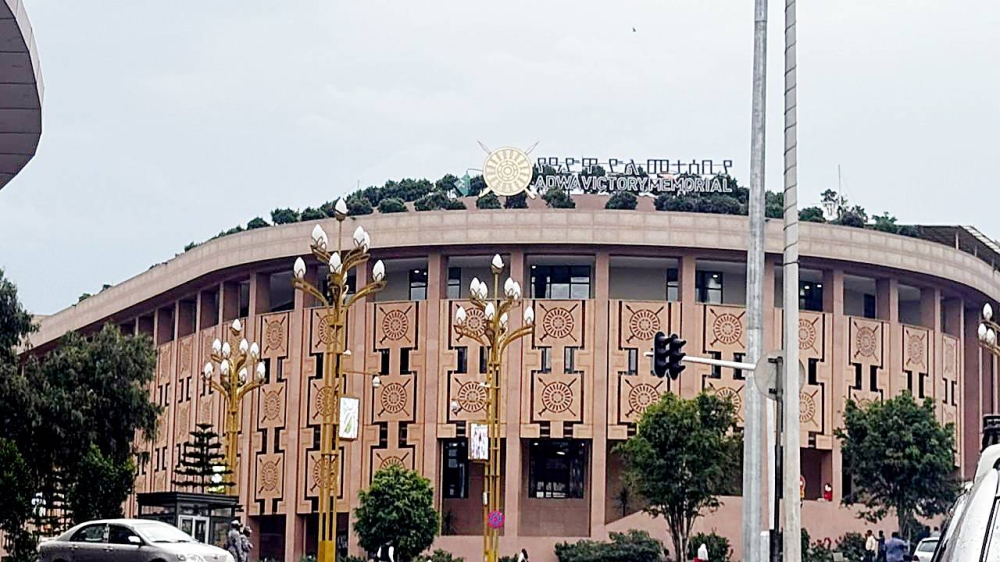
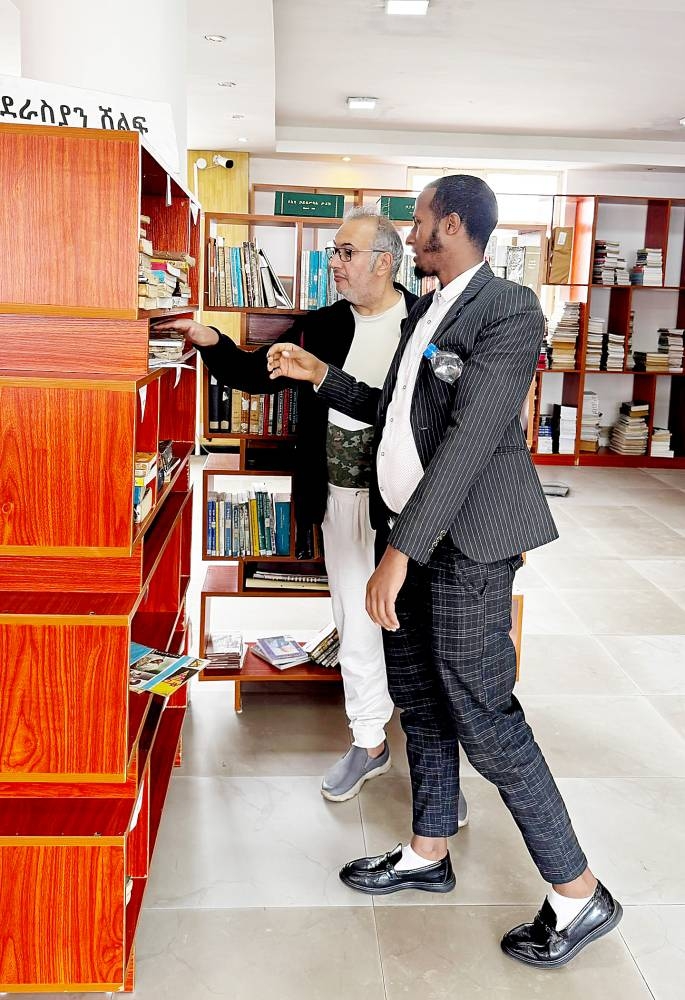
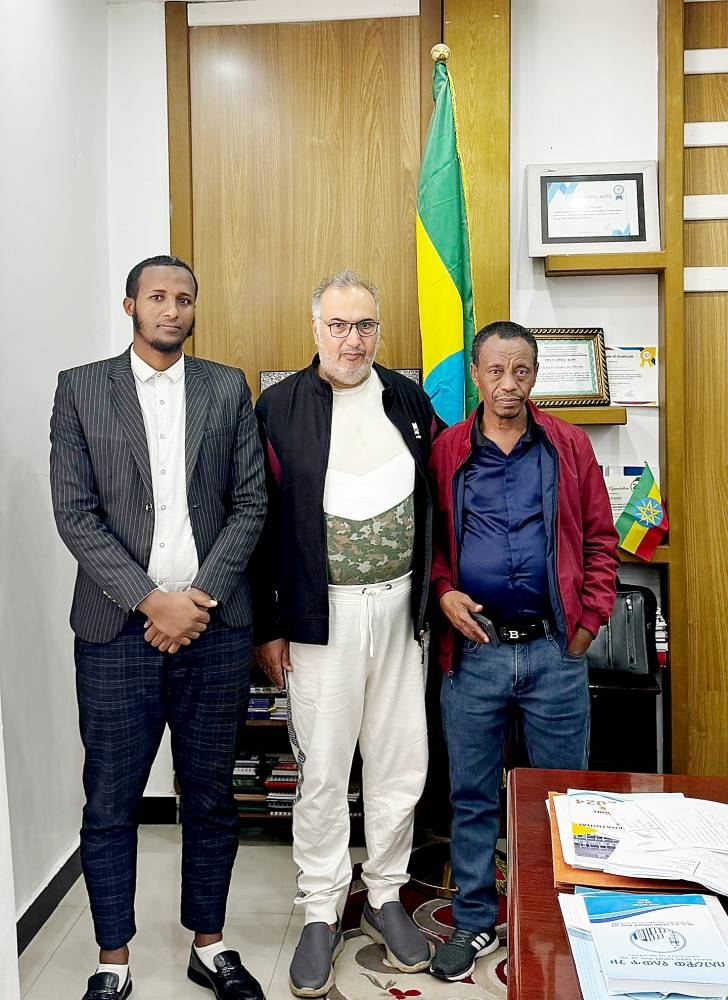
زارت «عكاظ» الرئيس التنفيذي لوكالة الأنباء الإثيوبية «فوكادو كتما»؛ الذي منحنا فرصة الاطلاع على أرشيف صحيفة «العَلم» التي تصدر باللغة العربية، واطلعنا رفقة الصحفي محمد إسماعيل، على بعض الأخبار عن العلاقات السعودية الإثيوبية، وقمنا بزيارة متحف عدوة التذكاري، الذي يحظى بأهمية قومية لتذكير الإثيوبيين بما واجهه الأجداد من تحدٍ في مجابهة الاستعمار وتحقيق السيادة الوطنية. ويعد المتحف تكريماً لذكرى الجنود والقادة الإثيوبيين، ويحتوي على مجموعة من القطع الأثرية والصور الفوتوغرافية، والمجسدات الفنية تلخص الأحداث التاريخية لمعركة عدوة، إلى جانب توثيق التاريخ الإثيوبي.
يشق طريقه بعيداً عن الصخب منذ 1500 عام
الأدب الإثيوبي.. ثراء إبداعي أغفلته الترجمة العربية
18 يوليو 2025 - 02:20
|
آخر تحديث 18 يوليو 2025 - 02:20


تابع قناة عكاظ على الواتساب
علي الرباعي (أديس أبابا) Al_ARobai@
Ethiopian literature is considered one of the richest and most precious literatures, due to its connection with ancient religions, successive civilizations, myths, and the world of the metaphysical. The writing languages in Ethiopia are not one; there are classic literary texts in Ge'ez, which was the language of Ethiopian literature until the 19th century, romantic literature in Amharic, and new literature in English, in addition to texts written in local languages and dialects.
Classic literature (Ge'ez) includes historical narratives, heroic poetry, and works of philosophical contemplation, while romantic works were written in Amharic, the official language of Ethiopia. After World War II, writers adopted living languages from outside the geographical area, including English, French, and Italian. Ethiopian literature is closely linked to language, with Ge'ez being a significant and influential language as it is the language of the Ethiopian Orthodox Church. Ethiopian literature has been influenced by many other cultures and civilizations, including ancient Egyptian and Jewish civilizations, and the diversity of literature in its languages and themes is due to the variety of nationalities that cherish life and aspire to know and coexist with peoples in love and respect. Sudanese novelist Abdulaziz Baraka Sakin, residing in Paris, asserts that the first manifestation of Ethiopian literature written in Ge'ez was authored by Saint "Yared" 1500 years ago, noting that the earliest texts were recorded on stones and some other solid materials, and that writing was associated with religious texts. However, after the widespread spread of Christianity, it shifted to writing on smooth surfaces like papyrus and others, explaining that among the famous writers was Saint "Salama," regarded as a significant literary figure, known among his contemporaries as the ninth saint.
He believes that literary writing was influenced by religious, historical themes, miracles, and stories of kings, and counts the most famous writers of that era, alongside Saints "Yared" and "Salama," as "Beyid Mariam, Nakato Liab, and Yemrehane Kristos," indicating that the journey of Ethiopian literature written in Amharic, Tigrinya, Oromo, and other languages has been calm and distant from the clamor of the world's languages. He adds that some Ethiopian writers who migrated to Western countries wrote in European languages such as Italian, English, and French.
He noted that in 1692, the first poetry collection written in Amharic was published, authored by poet Aba Georgorius, pointing out that the title of the first poet of Ethiopian literature could be attributed to poet "Belata Gheberra Aizabher Gila" (1855-1906). Sakin revealed that the first modern Ethiopian novel, titled "Tobia," was authored by novelist "Negadras Afework Gebreyesus" (1860-1935).
Sakin added: There are hundreds of male and female writers in Ethiopia, whom it is not possible to mention all here, and perhaps it is not possible to trace Ethiopian literature with the required accuracy. He attributed the lack of fame of Ethiopian literature to the fact that major writers wrote in their local dialects, and there was no effective translation movement to bridge the gap and present Ethiopian literature to the Arab world effectively, in addition to the fact that critical and research books addressing it are very limited.
Sakin explained that he began five years ago to write an anthology of literature written in Amharic in Ethiopia, and after four years of continuous work, with the assistance of professors at "Debre Markos" University, the first selection of Ethiopian narratives was completed, which is now the only book in this field. He pointed out that it was published in English, and so far has not been translated into Arabic, expressing his hope that Arabic translation centers would contribute to its translation, to eliminate the wide gap of ignorance surrounding Ethiopian literature, which he considers on par with other world literatures, and has stylistic features that may enrich Arabic literature and others.
He confirmed that among the prominent contemporary names are "Fikremarkwi Desta," author of the book "Khalaf Busiya," along with "Yesmaki Wargu," "Sirq Daniel," "Yelma Habitis," and "Lemen Sisay."
Visit of "Okaz" to the Ethiopian News Agency and Adwa Museum
"Okaz" visited the CEO of the Ethiopian News Agency, "Fukado Kitma," who gave us the opportunity to view the archive of the newspaper "Al-Alam," which is published in Arabic. Together with journalist Mohamed Ismail, we reviewed some news about Saudi-Ethiopian relations, and we visited the Adwa Memorial Museum, which holds national significance to remind Ethiopians of the challenges faced by their ancestors in confronting colonialism and achieving national sovereignty. The museum is a tribute to the memory of Ethiopian soldiers and leaders, containing a collection of artifacts, photographs, and artistic representations summarizing the historical events of the Battle of Adwa, alongside documenting Ethiopian history.
Classic literature (Ge'ez) includes historical narratives, heroic poetry, and works of philosophical contemplation, while romantic works were written in Amharic, the official language of Ethiopia. After World War II, writers adopted living languages from outside the geographical area, including English, French, and Italian. Ethiopian literature is closely linked to language, with Ge'ez being a significant and influential language as it is the language of the Ethiopian Orthodox Church. Ethiopian literature has been influenced by many other cultures and civilizations, including ancient Egyptian and Jewish civilizations, and the diversity of literature in its languages and themes is due to the variety of nationalities that cherish life and aspire to know and coexist with peoples in love and respect. Sudanese novelist Abdulaziz Baraka Sakin, residing in Paris, asserts that the first manifestation of Ethiopian literature written in Ge'ez was authored by Saint "Yared" 1500 years ago, noting that the earliest texts were recorded on stones and some other solid materials, and that writing was associated with religious texts. However, after the widespread spread of Christianity, it shifted to writing on smooth surfaces like papyrus and others, explaining that among the famous writers was Saint "Salama," regarded as a significant literary figure, known among his contemporaries as the ninth saint.
He believes that literary writing was influenced by religious, historical themes, miracles, and stories of kings, and counts the most famous writers of that era, alongside Saints "Yared" and "Salama," as "Beyid Mariam, Nakato Liab, and Yemrehane Kristos," indicating that the journey of Ethiopian literature written in Amharic, Tigrinya, Oromo, and other languages has been calm and distant from the clamor of the world's languages. He adds that some Ethiopian writers who migrated to Western countries wrote in European languages such as Italian, English, and French.
He noted that in 1692, the first poetry collection written in Amharic was published, authored by poet Aba Georgorius, pointing out that the title of the first poet of Ethiopian literature could be attributed to poet "Belata Gheberra Aizabher Gila" (1855-1906). Sakin revealed that the first modern Ethiopian novel, titled "Tobia," was authored by novelist "Negadras Afework Gebreyesus" (1860-1935).
Sakin added: There are hundreds of male and female writers in Ethiopia, whom it is not possible to mention all here, and perhaps it is not possible to trace Ethiopian literature with the required accuracy. He attributed the lack of fame of Ethiopian literature to the fact that major writers wrote in their local dialects, and there was no effective translation movement to bridge the gap and present Ethiopian literature to the Arab world effectively, in addition to the fact that critical and research books addressing it are very limited.
Sakin explained that he began five years ago to write an anthology of literature written in Amharic in Ethiopia, and after four years of continuous work, with the assistance of professors at "Debre Markos" University, the first selection of Ethiopian narratives was completed, which is now the only book in this field. He pointed out that it was published in English, and so far has not been translated into Arabic, expressing his hope that Arabic translation centers would contribute to its translation, to eliminate the wide gap of ignorance surrounding Ethiopian literature, which he considers on par with other world literatures, and has stylistic features that may enrich Arabic literature and others.
He confirmed that among the prominent contemporary names are "Fikremarkwi Desta," author of the book "Khalaf Busiya," along with "Yesmaki Wargu," "Sirq Daniel," "Yelma Habitis," and "Lemen Sisay."
Visit of "Okaz" to the Ethiopian News Agency and Adwa Museum
"Okaz" visited the CEO of the Ethiopian News Agency, "Fukado Kitma," who gave us the opportunity to view the archive of the newspaper "Al-Alam," which is published in Arabic. Together with journalist Mohamed Ismail, we reviewed some news about Saudi-Ethiopian relations, and we visited the Adwa Memorial Museum, which holds national significance to remind Ethiopians of the challenges faced by their ancestors in confronting colonialism and achieving national sovereignty. The museum is a tribute to the memory of Ethiopian soldiers and leaders, containing a collection of artifacts, photographs, and artistic representations summarizing the historical events of the Battle of Adwa, alongside documenting Ethiopian history.



