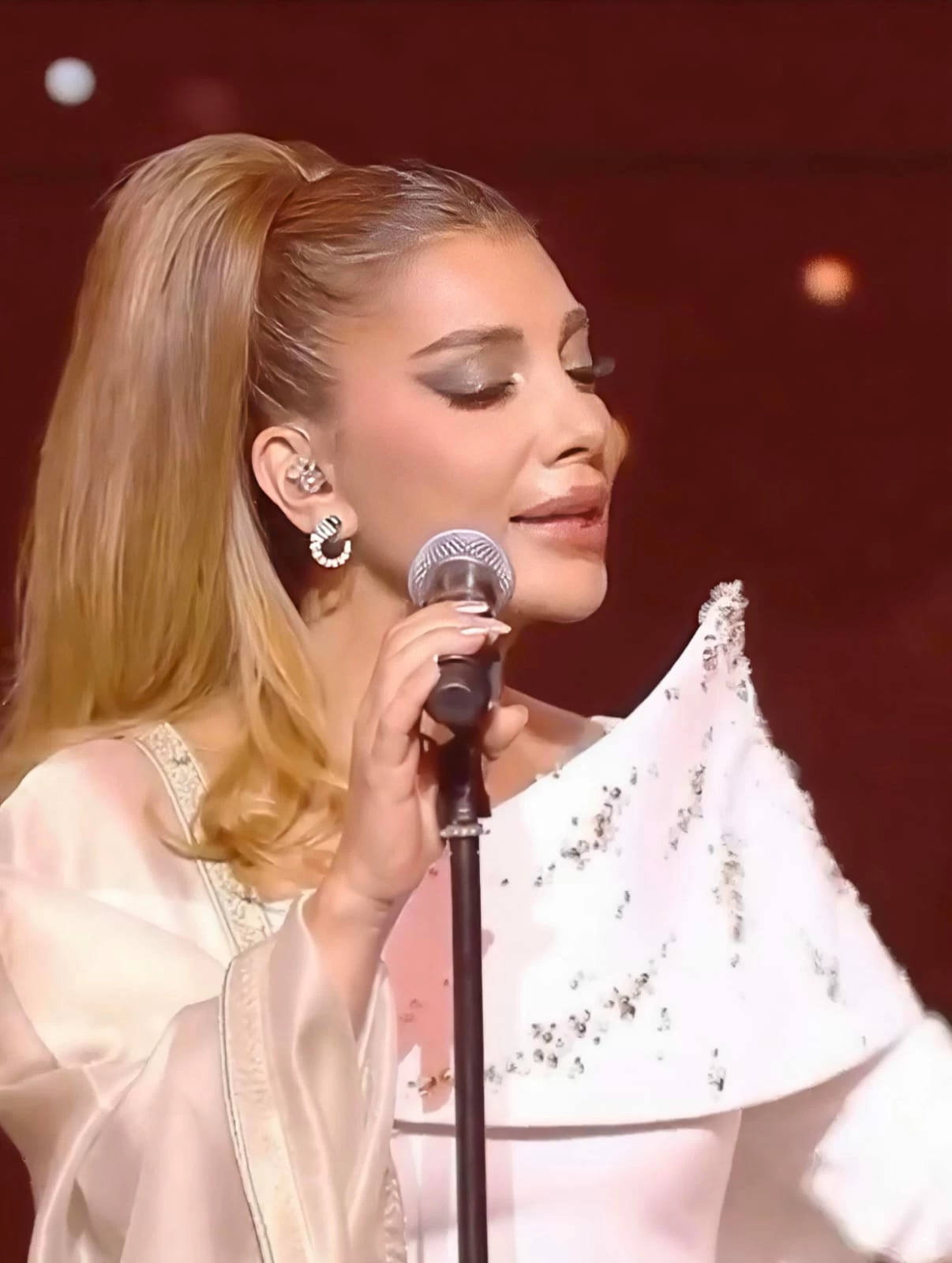
احتاجت أصالة نصري إلى نحو أربع ساعات على مسرح صالة الفيحاء في دمشق لتختصر غياباً تجاوز عقداً ونصف العقد. وبين آخر حفلة رسمية لها في سورية عام 2010 وعودتها في 2026، تغير الكثير في مسيرتها وفي المكان، لكن بقي السؤال الأهم: كيف سيبدو صوتها حين يعود إلى المدينة التي شهدت بداياته؟
لهذا تجاوزت الليلة مفهوم الحفلة التقليدية، وحملت معنى اللقاء المؤجل. وتكشف الأرقام حجم الحدث؛ إذ حضر نحو خمسة آلاف شخص، بعد نفاد التذاكر سريعاً، فيما قدمت أصالة وصلتين امتدتا في مجموعهما إلى نحو أربع ساعات، متنقلة بين أرشيفها الغنائي ومشروعها الجديد «الألبوم السوري» الذي يضم 14 أغنية تستحضر ألواناً موسيقية من بيئات سورية متعددة.
والمفارقة أن أصالة عادت بعد نحو 16 عاماً بمشروع يتجه مباشرة إلى الجذور، وكأنها اختارت ألا تجعل دمشق محطة لاستعادة الماضي فقط، بل نقطة انطلاق لمرحلة تربط تجربتها الحالية بالمكان الأول. وعزز حضور فرقة «إنانا» بلوحاتها الأدائية والدبكات والإيقاعات الشعبية هذا الاتجاه، لتصبح سورية حاضرة في تفاصيل المسرح، لا في عنوان الحفلة وحده.
أما الجانب الأكثر عمقاً، فجاء من العائلة. سبقت الحفلة مفاجأة تلقي أصالة عود والدها الراحل مصطفى نصري هدية من شقيقها، فيما جلست والدتها عزيزة الحلبي بين الحضور. الأب الذي ارتبط بالبدايات حضر بذاكرته وعوده، والأم حضرت لحظة العودة.
وبين 16 عاماً من الغياب، وخمسة آلاف حاضر، وأربع ساعات من الغناء، و14 أغنية سورية، تبدو الأرقام أقرب إلى سيرة مختصرة لليلة كاملة. فالقصة لم تكن في عدد الأغنيات وحده، بل في المسافة بين أصالة التي غادرت المسرح السوري، وأصالة التي عادت إليه؛ ولهذا كانت العودة نفسها بطلة الحفل.
Asala Nasri needed about four hours on the stage of the Al-Faiha Hall in Damascus to make up for an absence that exceeded a decade and a half. Between her last official concert in Syria in 2010 and her return in 2026, much has changed in her career and in the place, but the most important question remained: how will her voice sound when it returns to the city that witnessed its beginnings?
For this reason, the night transcended the concept of a traditional concert and carried the meaning of a postponed reunion. The numbers reveal the size of the event; around five thousand people attended, after tickets sold out quickly, while Asala performed two sets that lasted a total of about four hours, moving between her musical archive and her new project "The Syrian Album," which includes 14 songs that evoke musical colors from various Syrian environments.
The irony is that Asala returned after nearly 16 years with a project that goes directly to the roots, as if she chose not to make Damascus merely a stop to reclaim the past, but a starting point for a phase that connects her current experience with the original place. The presence of the "Inana" band, with its performance pieces, folk dances, and popular rhythms, reinforced this direction, making Syria present in the details of the stage, not just in the concert's title.
The deeper aspect came from family. Before the concert, there was a surprise when Asala received her late father Mustafa Nasri's oud as a gift from her brother, while her mother Aziza Al-Halabi sat among the audience. The father, who was linked to the beginnings, was present in memory and spirit, and the mother was there for the moment of return.
Between 16 years of absence, five thousand attendees, four hours of singing, and 14 Syrian songs, the numbers seem closer to a brief biography of a complete night. The story was not just in the number of songs, but in the distance between the Asala who left the Syrian stage and the Asala who returned to it; for this reason, the return itself was the star of the concert.