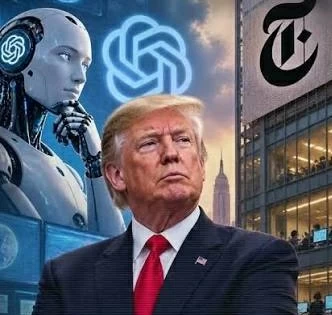
ضربت صدمة مدوية وادي السيليكون بعد تسريب وثائق قضائية سرية أمام محكمة فيدرالية في نيويورك، تتضمن إفادات غير متوقعة من داخل مايكروسوفت تدين شريكتها الأبرز أوبن إيه آي.
الملف الذي فجرته صحيفة «نيويورك تايمز» برفقة تكتل من المؤسسات الصحفية، يتهم المطور الأمريكي بالاستحواذ الآلي غير المصرح به على أكثر من 10 ملايين مقال ونشرها داخل خوارزميات التدريب، وكان لافتاً أن ثلث هذه المادة الضخمة يعود للصحيفة العريقة وحدها.
وجاءت المفاجأة الكبرى في شهادة برنت هيكت مدير العلوم التطبيقية في مايكروسوفت، والذي وصف العملية داخل أوراق الدعوى بأنها قد تكون أضخم عملية مصادرة لجهد بشري شهدها التاريخ، ملمحاً إلى وجود محاولات تستر غير مقصودة رافقت جمع البيانات والتغطية عليها.
وسارعت مايكروسوفت إلى التنصل من هذه التصريحات، مؤكدة عبر متحدثها الرسمي أنها لا تعدو كونها وجهة نظر فردية لموظف واحد ولا تعكس الموقف الرسمي للشركة التي تصر على قانونية خطواتها واستنادها إلى مبدأ «الاستخدام العادل».
وفي كواليس المحاكمة، ظهر اعتراف مهني آخر من أحد مهندسي أوبن إيه آي، صرّح فيه بيأس بضعف جدوى الروابط التي تضعها المنصة لطمأنة الناشرين، مشيراً إلى أن المستخدمين يكتفون بالتعامل مع الإجابات المباشرة ويرفضون النقر على مصادر الأخبار.
وعلى نحو مفاجئ، دخلت إدارة الرئيس دونالد ترمب خط النزاع القانوني الشرس عبر مذكرة رسمية قدمتها وزارة العدل لدعم أوبن إيه آي ومايكروسوفت، مطالبة بتغليب مصالح الأمن القومي والنمو الاقتصادي، والسعي لإصدار حكم موجز يغلق القضية تماماً وينقذ التكنولوجيا الواعدة قبل وصول الملف للمحاكمة في 2027.
A shocking blow struck Silicon Valley after the leak of confidential court documents before a federal court in New York, which include unexpected testimonies from within Microsoft that condemn its main partner, OpenAI.
The file, revealed by the "New York Times" along with a coalition of media organizations, accuses the American developer of unauthorized automated acquisition of over 10 million articles and publishing them within training algorithms, notably with one-third of this massive content belonging solely to the esteemed newspaper.
The biggest surprise came from the testimony of Brent Hecht, the director of applied sciences at Microsoft, who described the process in the court documents as potentially the largest confiscation of human effort witnessed in history, hinting at unintentional cover-up attempts that accompanied the data collection and its concealment.
Microsoft quickly distanced itself from these statements, confirming through its official spokesperson that they are merely the individual opinion of one employee and do not reflect the official position of the company, which insists on the legality of its actions based on the principle of "fair use."
In the courtroom's background, another professional acknowledgment emerged from one of OpenAI's engineers, who despairingly stated the ineffectiveness of the links the platform provides to reassure publishers, indicating that users are content to engage with direct answers and refuse to click on news sources.
Surprisingly, the administration of President Donald Trump entered the fierce legal dispute through an official memorandum submitted by the Department of Justice to support OpenAI and Microsoft, urging the prioritization of national security and economic growth interests, and seeking a summary judgment that would completely close the case and save the promising technology before the file reaches trial in 2027.