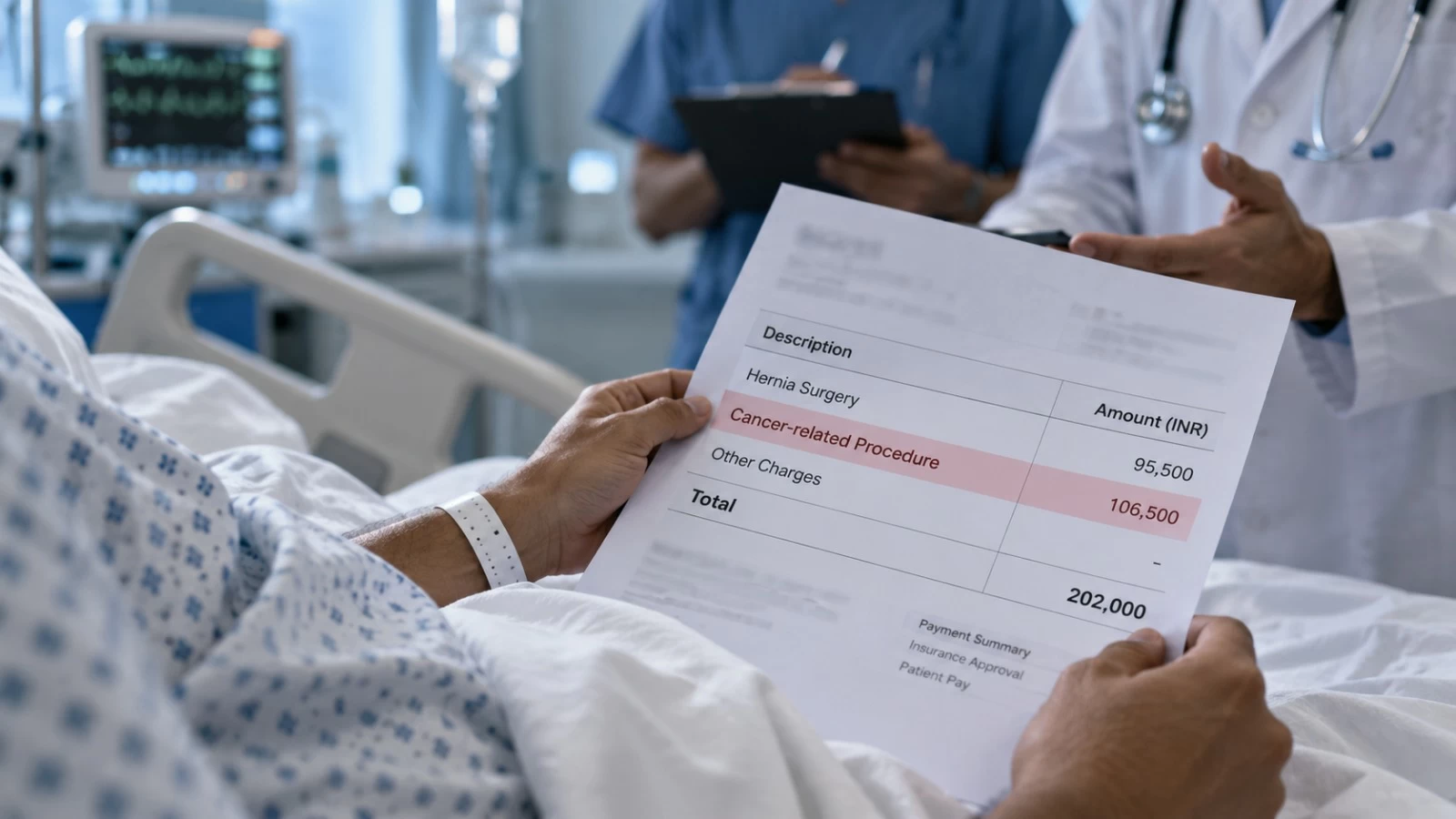
دخل رجل إلى مستشفى خاص في مدينة مومباي الهندية لإجراء عملية لعلاج الفتق، قبل أن تتحول إجراءات خروجه في اليوم التالي إلى مفاجأة، بعدما أُبلغت أسرته بأن الفاتورة تتضمن إجراءً إضافياً مصنفاً على أنه مرتبط بعلاج السرطان، رغم تأكيده أنه لم يُشخّص بالمرض ولم يراجع المستشفى لعلاجه.
95 ألفاً تتحول إلى 202 ألف روبية
وخضع ريجي أبراهام لجراحة الفتق في مستشفى «كريتيكير» بمنطقة مالاد في الأول من سبتمبر، بعدما حصل قبل دخوله المستشفى على موافقة من شركة التأمين لتغطية علاجية غير نقدية بقيمة 95,500 روبية.
وفي الثاني من سبتمبر، وأثناء إجراءات خروجه، أبلغ موظفو الجهة المسؤولة عن مطالبات التأمين في المستشفى أسرته بأن فاتورته ارتفعت إلى 202 ألف روبية، بسبب تسجيل إجراء إضافي قيل إنه مرتبط بالسرطان. وبحسب أبراهام، طُلب منه دفع المبلغ المتبقي من جيبه بعد رفض شركة التأمين تغطية الإجراء الإضافي.
إجراء يحمل تصنيفاً للسرطان
وقال أبراهام إن سجلات الفوترة تضمنت جراحة إصلاح الفتق إلى جانب إجراء يُعرف بـ«استئصال الثرب» مصنفاً على أنه مرتبط بالسرطان، مؤكداً أنه لم يسبق أن تلقى تشخيصاً بالسرطان أو استشارة لعلاجه.
وهنا تكمن نقطة مهمة في القضية؛ إذ إن استئصال الثرب إجراء جراحي يمكن استخدامه في بعض علاجات السرطان، لكنه قد يُجرى أيضاً ضمن بعض عمليات الفتق المعقدة، ما جعل جوهر الخلاف يتعلق بكيفية تصنيف الإجراء وفوترته وليس بإثبات إجراء عملية سرطان منفصلة للمريض.
المستشفى: خطأ بشري
وأرجع المستشفى الواقعة إلى «خطأ بشري غير مقصود»، موضحاً أن موظفاً إدارياً غير طبي اختار تصنيفاً خاطئاً أثناء إدخال تفاصيل الإجراء في نظام الفوترة والتأمين.
وقال مؤسس المستشفى ديباك نامجوشي إن الخطأ تم تصحيحه، وإن المستشفى لم يحصل على دفعة مقدمة مقابل المبلغ المختلف عليه، لتنتهي الفاتورة التي دفعها المريض عند 75 ألف روبية.
خلاف حول كيفية اكتشاف الخطأ
وفيما قال أبراهام إن الخطأ صُحح بعد اعتراضه على الفاتورة، أكد المستشفى في المقابل أنه اكتشف المشكلة وصححها من تلقاء نفسه دون الحاجة إلى تنبيه من المريض، وهي نقطة يختلف فيها رواية الطرفين.
الطبيب يتراجع عن وصف «الإهمال»
وزادت الواقعة جدلاً بعدما وصف الطبيب الذي أجرى العملية ما حدث في خطاب مؤرخ في 3 سبتمبر بأنه «إهمال»، لكنه أوضح لاحقاً، بعد استفسارات صحفية، أنه كان يفضل استخدام كلمة «التباس» بدلاً من الإهمال، مؤكداً أن الواقعة لم تكن عملية احتيال، وإن كانت قد سببت ضيقاً للمريض.
شكاوى إلى جهات رقابية
ولم يكتف أبراهام بتصحيح الفاتورة، إذ تقدم بشكاوى إلى المجلس الطبي في ولاية ماهاراشترا، وهيئة تنظيم وتطوير التأمين في الهند، وبلدية مومباي، إضافة إلى جهات الصحة العامة على مستوى الولاية والمدينة، مطالباً بمراجعة ما حدث.
A man entered a private hospital in Mumbai, India, to undergo surgery for a hernia, before the discharge procedures the next day turned into a surprise, as his family was informed that the bill included an additional procedure classified as related to cancer treatment, despite his confirmation that he had not been diagnosed with the disease and had not visited the hospital for treatment.
95,000 turns into 202,000 rupees
Reggie Abraham underwent hernia surgery at "Criticare" Hospital in the Malad area on September 1, after obtaining prior approval from the insurance company for a non-cash treatment coverage valued at 95,500 rupees.
On September 2, during the discharge procedures, staff from the hospital's insurance claims department informed his family that his bill had risen to 202,000 rupees due to the registration of an additional procedure said to be related to cancer. According to Abraham, he was asked to pay the remaining amount out of pocket after the insurance company refused to cover the additional procedure.
Procedure classified as cancer-related
Abraham stated that the billing records included hernia repair surgery alongside a procedure known as "omentum resection," classified as related to cancer, confirming that he had never received a cancer diagnosis or consultation for treatment.
Here lies an important point in the case; as omentum resection is a surgical procedure that can be used in some cancer treatments, but it can also be performed as part of certain complex hernia surgeries, making the essence of the dispute revolve around how to classify and bill the procedure rather than proving a separate cancer surgery for the patient.
Hospital: Human error
The hospital attributed the incident to "an unintended human error," explaining that a non-medical administrative staff member chose an incorrect classification while entering the procedure details into the billing and insurance system.
The hospital's founder, Deepak Namjoshi, stated that the error was corrected and that the hospital did not receive an advance payment for the disputed amount, resulting in the final bill paid by the patient being 75,000 rupees.
Dispute over how the error was discovered
While Abraham stated that the error was corrected after he objected to the bill, the hospital, on the other hand, confirmed that it discovered the problem and corrected it on its own without needing a prompt from the patient, which is a point of disagreement between the two parties.
Doctor retracts description of "negligence"
The incident sparked further controversy after the doctor who performed the surgery described what happened in a letter dated September 3 as "negligence," but later clarified, after media inquiries, that he preferred to use the term "confusion" instead of negligence, affirming that the incident was not a case of fraud, although it did cause distress to the patient.
Complaints to regulatory bodies
Abraham did not stop at correcting the bill; he filed complaints with the Medical Council of Maharashtra, the Insurance Regulatory and Development Authority of India, the Municipal Corporation of Mumbai, as well as public health authorities at the state and city levels, demanding a review of what happened.