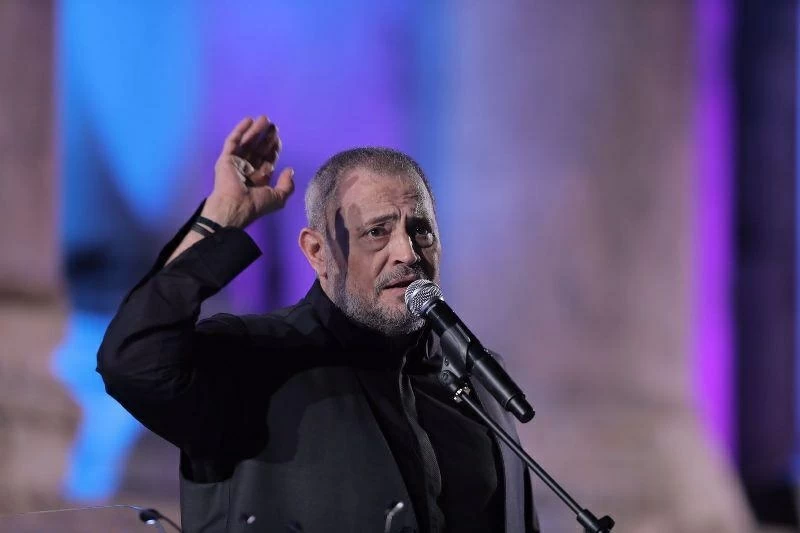
تحولت العودة الفنية المرتقبة للفنان السوري الكبير جورج وسوف إلى تونس، والتي انتظرها جمهوره العريض لأكثر من عقد كامل، إلى أزمة حادة أثارت جدلاً واسعاً؛ بعدما أُعلن فجأة عن إلغاء حفله قبل ساعات قليلة من موعد صعوده على المسرح، وسط روايات متضاربة ومثيرة حول الأسباب الحقيقية وراء هذا القرار المفاجئ.
وكان من المنتظر أن يلتقي «سلطان الطرب» بعشاقه في مدينة الحمامات في أول حفل رسمي له هناك منذ نحو 12 عاماً، إلا أن الإلغاء الصادم حوّل الحدث الفني إلى ساحة مفتوحة لتبادل الاتهامات النارية بين الجهة المنظمة وإدارة أعمال الفنان السوري.
وفيما تداولت الكواليس معلومات قوية تتحدث عن وجود خلاف مالي عاصف وراء الإلغاء، سارعت مايا مطر مديرة أعمال جورج وسوف، إلى نفي تلك الشائعات جملة وتفصيلاً، مؤكدة أن الأزمة لا تتعلق إطلاقاً بالأجر أو بشروط الدفع، بل تمثلت في عدم استكمال الجهة المنظمة للإجراءات القانونية وفشلها في الحصول على التراخيص النهائية اللازمة لإقامة الحفل بشكل آمن.
وفي المقابل، خرجت الجهة المنظمة برواية أكد فيها رئيس جمعية عطاء التنمية والتواصل أن الحفل واجه بالفعل عقبات إدارية تخص التراخيص، مبيناً أن الجمعية فضّلت عدم المخاطرة بإقامة الحدث دون موافقات حكومية نهائية نظراً لحجم الحضور الجماهيري القياسي والمتوقع.
وكشف رئيس الجمعية تفاصيل مالية معقدة، مشيراً إلى أن محاولات حثيثة جرت لتأجيل الحفل إلى موعد آخر بدلاً من إلغائه بالكامل، غير أن المفاوضات اصطدمت بشروط صعبة، حيث طلبت إدارة الفنان تسديد كامل الأجر المقدر بنحو 90 ألف دولار أمريكي قبل الصعود للمسرح، وهو ما عجل بانهيار التسوية وفقاً لروايته.
ومع هذا التضارب الحاد في التصريحات، وجد جمهور جورج وسوف أنفسهم في حالة من الصدمة والإحباط على منصات التواصل الاجتماعي، حيث انقسمت آراء الشارع التونسي والعربي بين من حمّل المنظمين مسؤولية الفشل الإداري، وبين من رأى أن الشروط المالية الصارمة كانت الرصاصة التي أجهضت الحفل في اللحظات الأخيرة.
وبين هذه الرواية وتلك، يبقى المؤكد أن واحدة من أكثر السهرات الغنائية ترقباً في تونس هذا الصيف قد انتهت قبل أن تبدأ، تاركة آلاف المعجبين في حسرة، وسط تساؤلات مفتوحة حول ما إذا كانت العودة ستبقى حلماً مؤجلاً إلى إشعار آخر.
The highly anticipated artistic return of the great Syrian artist George Wassouf to Tunisia, which his large audience has been waiting for over a full decade, has turned into a severe crisis that sparked widespread controversy; after it was suddenly announced that his concert was canceled just a few hours before he was set to take the stage, amidst conflicting and intriguing narratives about the real reasons behind this sudden decision.
It was expected that the "Sultan of Tarab" would meet his fans in the city of Hammamet in his first official concert there in about 12 years, but the shocking cancellation transformed the artistic event into an open arena for exchanging fiery accusations between the organizing party and the management of the Syrian artist.
While strong information circulated behind the scenes about a fierce financial dispute behind the cancellation, Maya Matar, George Wassouf's manager, quickly denied those rumors entirely, confirming that the crisis had nothing to do with the fee or payment terms, but rather stemmed from the organizing party's failure to complete the legal procedures and its inability to obtain the necessary final licenses to hold the concert safely.
On the other hand, the organizing party presented a narrative in which the president of the Development and Communication Association confirmed that the concert indeed faced administrative obstacles regarding the licenses, indicating that the association preferred not to risk holding the event without final government approvals given the expected large audience turnout.
The president of the association revealed complex financial details, noting that earnest attempts were made to postpone the concert to another date instead of canceling it entirely, but negotiations hit difficult terms, as the artist's management demanded the full fee of approximately 90,000 US dollars to be paid before taking the stage, which hastened the collapse of the settlement according to his account.
With this sharp contradiction in statements, George Wassouf's audience found themselves in a state of shock and frustration on social media, where opinions among the Tunisian and Arab public were divided between those who held the organizers responsible for the administrative failure and those who believed that the strict financial conditions were the bullet that aborted the concert at the last moment.
Between this narrative and that, it remains certain that one of the most anticipated musical nights in Tunisia this summer has ended before it began, leaving thousands of fans in sorrow, amidst open questions about whether the return will remain a postponed dream until further notice.