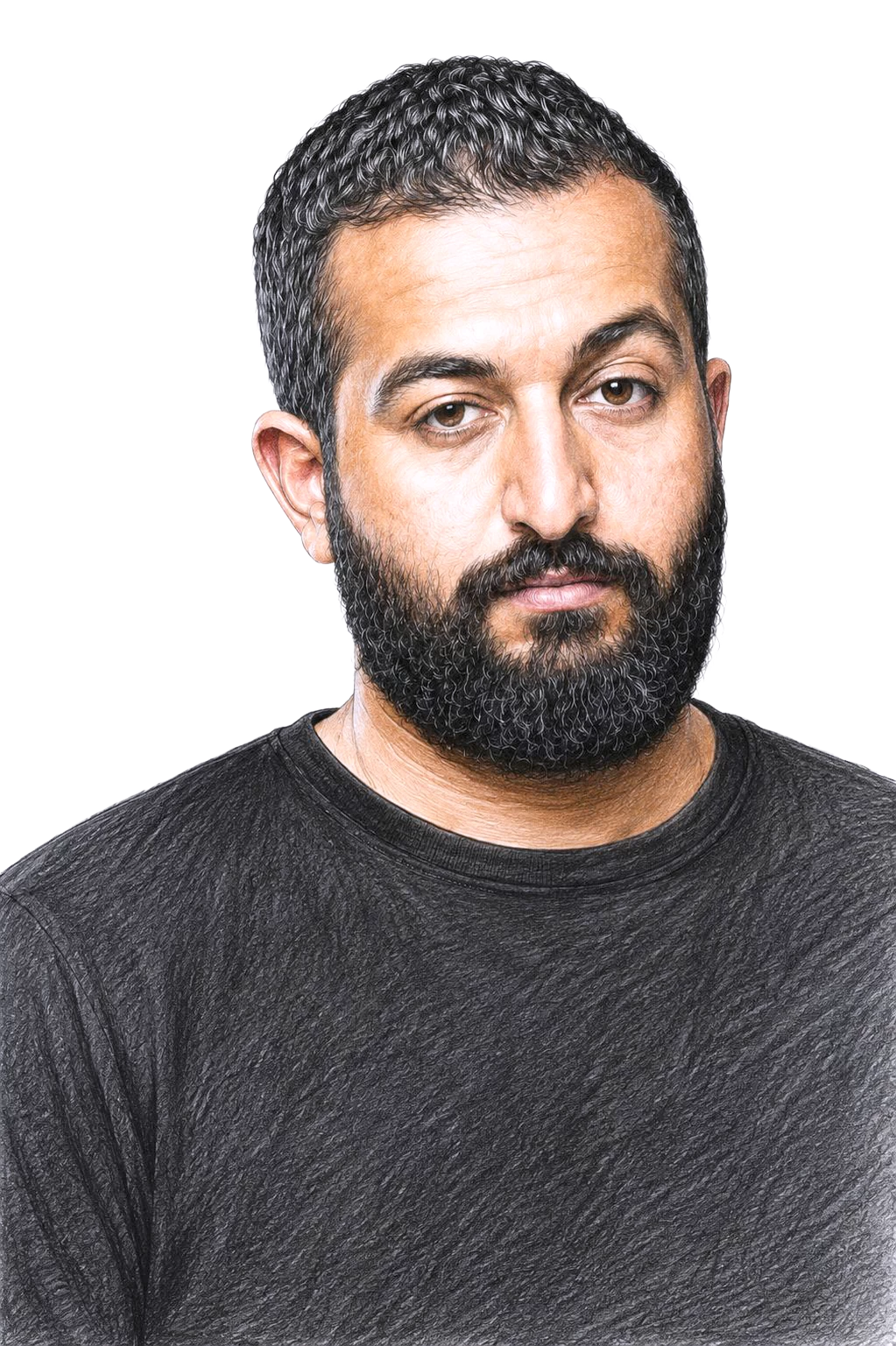
موهبة الممثل إبراهيم الحجاج.. هل كانت لقطة عابرة في مشهد الدراما السعودية؟
سؤال جوهري تعمّقه السيرة القصيرة التي قدمها حتى الآن، إذ جاءت مشاركاته محمّلة بوعد فني واضح، وبطاقة كوميدية بدت قادرة على منح الشاشة السعودية وجهاً مختلفاً، خفيفاً، حاضراً، سريع الالتقاط وقادراً على تحويل التفاصيل الصغيرة إلى لحظة ضحك. لذلك استقبله الجمهور في بداياته بكثير من التفاؤل، خصوصاً مع حضوره اللافت في «منهو ولدنا»، حيث ظهر بـ«كاركتر» بدا طازجاً في ملامحه وإيقاعه وطريقة بنائه.
لكن المشكلة، أن تلك اللمعة الأولى تحولت إلى قيد خانق، فالشخصية التي منحته الحضور صارت العباءة التي لم يغادرها.
وبدلاً من أن تكون محطة تأسيس، أصبحت قالباً جاهزاً يُعاد إنتاجه بنبرات قريبة، وانفعالات مألوفة، وإيقاع كوميدي متكرر.
هنا بدأ الخطر الفني، فالممثل الذي كان يُفترض أن يتطور من شخصية إلى أخرى، صار يدور حول الشخصية نفسها، كأنه يستدعي ظلال نجاحه الأول فقط.
إبراهيم الحجاج اليوم أصبح عالقاً في فخ «الكاركتر» الواحد، ذلك الفخ الذي ابتلع من قبل أسماء كوميدية لامعة، وفي مقدمتها فايز المالكي، حين سجنته شخصية «مناحي» بالمؤبد داخل ذاكرة الجمهور ونفسه، فصار كل دور لاحق يُقاس بها أو يُرد إليها.
مثلاً العمل الرمضاني الأخير لم يمنحه إضافة حقيقية، بل ظهر كامتداد باهت لما سبق، لا كخطوة جديدة.
الفنان الكوميدي الحقيقي لا يعيش طويلاً على النبرة نفسها كما هو الحجاج، فلا يكفي أن يكون ناجحاً ومن حوله سيل من التطبيل كي يبقى نجماً، فعليه أن يغامر، أن يكسر صورته التي باتت مملة.
السؤال الذي يفرض نفسه اليوم لا يتعلق بقدرة إبراهيم الحجاج على إضحاك الجمهور، بل بحقيقة موهبته الفنية وحدودها، إذ تعاظمت الشكوك حول ما إذا كان الجمهور قد شاهد بالفعل ممثلاً متعدد الأدوات، أم مجرد «كاركتر» واحد جرى تضخيمه أكثر مما يحتمل.
الفارق بين الموهبة الحقيقية والفقاعة المؤقتة يظهر عند أول اختبار للتجدد، وبين هذين الاحتمالين يقف إبراهيم الحجاج اليوم في منطقة حرجة، وعليه إثبات نفسه.
The talent of actor Ibrahim Al-Hajjar.. Was it just a fleeting moment in the scene of Saudi drama?
This is a fundamental question deepened by the brief career he has presented so far, as his contributions have been laden with a clear artistic promise, and a comedic energy that seemed capable of giving the Saudi screen a different, light, present, quickly graspable face, capable of turning small details into moments of laughter. Therefore, the audience welcomed him in his early days with much optimism, especially with his striking presence in "Menho Waladna," where he appeared with a character that seemed fresh in its features, rhythm, and construction.
However, the problem is that this initial sparkle turned into a stifling constraint, as the character that granted him presence became the cloak he could not shed.
Instead of being a foundational station, it became a ready-made mold that is reproduced with similar tones, familiar emotions, and a repetitive comedic rhythm.
This is where the artistic danger began, as the actor who was supposed to evolve from one character to another ended up revolving around the same character, as if he were only summoning the shadows of his initial success.
Today, Ibrahim Al-Hajjar has become trapped in the snare of a single "character," a trap that has previously swallowed up shining comedic names, foremost among them Fayez Al-Malki, who was imprisoned by the character "Manahi" for life within the audience's memory and his own, making every subsequent role measured against it or referred back to it.
For instance, his recent Ramadan work did not grant him any real addition; rather, it appeared as a pale extension of what came before, not as a new step.
A true comedic artist does not live long on the same tone as Al-Hajjar does; it is not enough for him to be successful while surrounded by a flood of flattery to remain a star. He must take risks, break the image that has become boring.
The question that imposes itself today is not about Ibrahim Al-Hajjar's ability to make the audience laugh, but about the reality of his artistic talent and its limits, as doubts have grown about whether the audience has actually seen a multi-faceted actor, or just a single "character" that has been exaggerated beyond what it can bear.
The difference between true talent and a temporary bubble appears at the first test of renewal, and between these two possibilities, Ibrahim Al-Hajjar stands today in a critical area, and he must prove himself.