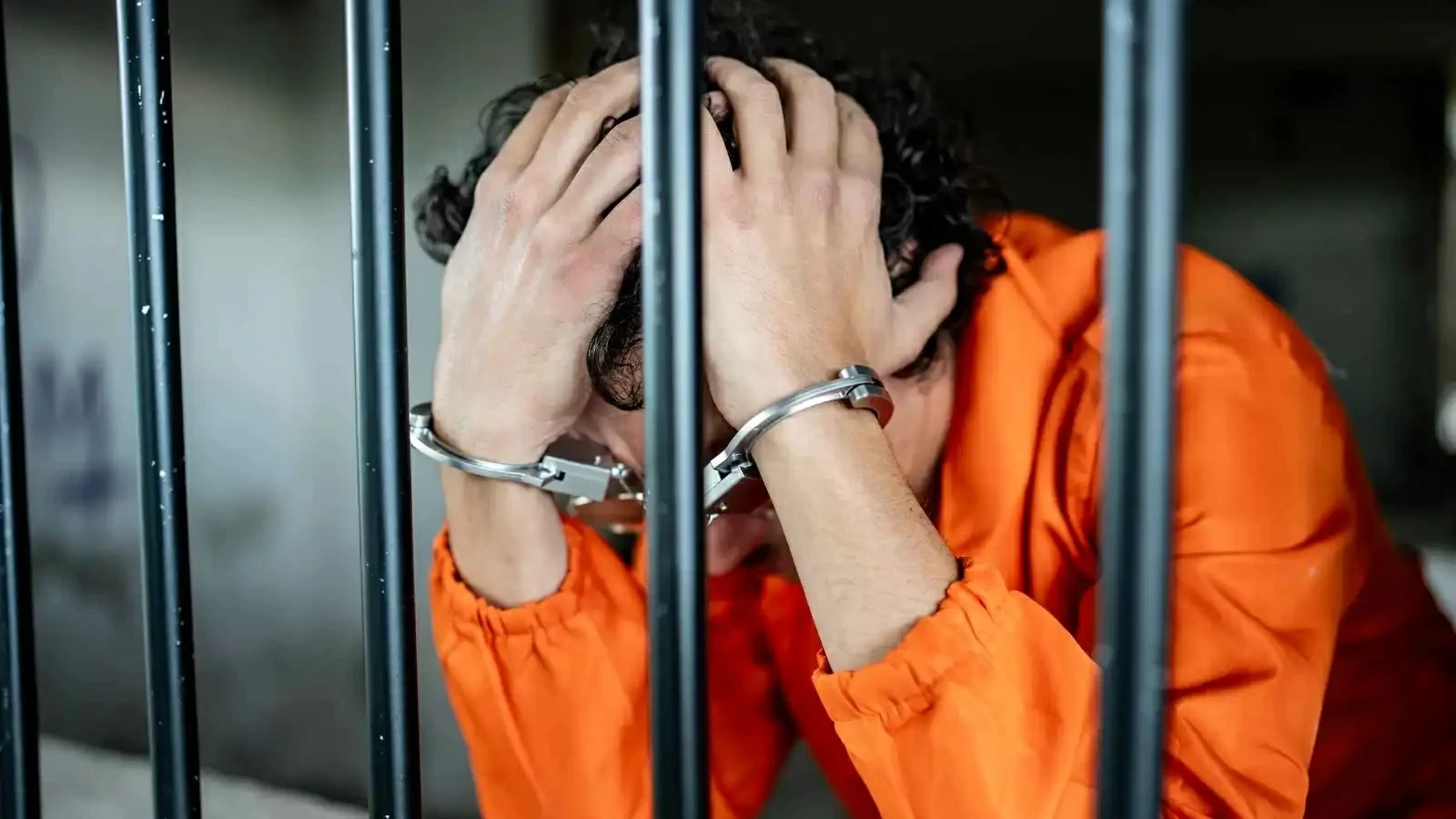
خلف أضواء المدن وصخب الحياة الليلية، قد تتحول تفاصيل صغيرة في أجزاء من الثانية إلى مآسٍ إنسانية لا تمحى. هذا ما حدث تماماً في ولاية إنديانا الأمريكية، حيث أثارت قضية هزت الرأي العام أعادت إلى الواجهة نقاشات شائكة حول قسوة الأحكام القضائية، لا سيما عندما تتقاطع صراعات العصابات الدموية مع مصير قاصرين لم تتكشف ملامح حياتهم بعد.
في الثاني من فبراير عام 2025، تحول محيط ملهى «سوني رايز» في مدينة أندرسون بولاية إنديانا إلى مسرح لجريمة دموية. بحسب تحقيقات الادعاء، خطط أفراد مرتبطون بعصابة «ميكي كوبرا نيشن» لتصفية حساباتهم مع شاهد على صلة بتحقيق سابق في جريمة قتل، مستخدمين تطبيقات التواصل الاجتماعي مثل «سناب شات» و«إنستغرام» للتنسيق بدقة.
لكن الرصاص الذي أُطلق لتنفيذ تلك التصفية لم يصب الهدف المنشود؛ بل استقر في صدر الشابة دايلا سواين (26 عاماً)، التي وجدت نفسها محض صدفة في مرمى النيران لتفارق الحياة داخل المستشفى، دافعةً حياتها ثمناً باهظاً لصراع لا ناقة لها فيه ولا جمل.
اعتمُد المحققون بشكل أساسي على تسجيلات كاميرات المراقبة المحيطة بالموقع، والتي وثقت تحركات الجناة المشبوهة، ولحظة إصابة دايلا وسقوطها على الأرض محاولةً النجاة، فضلاً عن هروب الشخص المستهدف بمركبة اصطدمت بطريق الخطأ بساقي الضحية بعد سقوطها.
وأمام هول الجريمة وارتباطها بتنظيم إجرامي، أصدر القاضي ديفيد هابي في محكمة الدائرة أحكاماً صادمة تجاوز مجموعها 315 عاماً؛ حيث تلقى راشون صامويلز (19 عاماً) أطول عقوبة بالسجن لمدة 125 عاماً موزعة بالتساوي بين جريمة القتل وتهمة التنظيم الإجرامي، وصدر بحق كايري كريفر (19 عاماً) حكم بالسجن 90 عاماً. أما الحكم الأكثر إثارة للجدل، فكان من نصيب المراهق «لاري» الذي لم يتجاوز 14 عاماً وقت الجريمة، إذ قضت المحكمة بسجنه 100 عام موزعة بين 50 عاماً بتهمة القتل ومثلها بموجب قانون تعزيز التنظيم الإجرامي، بعد إدانته بالقتل والشروع فيه والتآمر.
وأشعلت هذه الأحكام موجة عارمة من النقاشات والجدل الواسع على منصات التواصل الاجتماعي. وبينما رأى قطاع من المراقبين أن شناعة الجريمة وارتباطها بشبكات الجريمة المنظمة تبرر هذه الأحكام الصارمة لتحقيق الردع العام، تساءل آخرون بمرارة عن مدى تناسب فرض عقوبات تمتد لقرون مع متهمين قاصرين، لتبقى القضية جرحاً ينزف وتساؤلات معلقة حول حدود العدالة.
Behind the lights of the cities and the noise of nightlife, small details can turn into irreversible human tragedies in the blink of an eye. This is exactly what happened in the state of Indiana, USA, where a case that shook public opinion brought back thorny discussions about the harshness of judicial sentences, especially when bloody gang conflicts intersect with the fate of minors whose lives have yet to unfold.
On February 2, 2025, the area surrounding the "Sunny Rise" nightclub in Anderson, Indiana, became the scene of a bloody crime. According to prosecution investigations, individuals linked to the "Mickey Cobra Nation" gang planned to settle scores with a witness connected to a previous murder investigation, using social media applications like "Snapchat" and "Instagram" to coordinate precisely.
However, the bullets fired to carry out this hit did not hit the intended target; instead, they struck 26-year-old Dayla Swain, who found herself accidentally in the line of fire and succumbed to her injuries in the hospital, paying the ultimate price for a conflict she had no part in.
Investigators primarily relied on surveillance camera recordings from the surrounding area, which documented the suspicious movements of the perpetrators, the moment Dayla was shot and fell to the ground in an attempt to survive, as well as the escape of the intended target in a vehicle that accidentally collided with the victim's legs after she fell.
In light of the gravity of the crime and its connection to a criminal organization, Judge David Habee in the Circuit Court issued shocking sentences totaling over 315 years; Rashon Samuels (19 years old) received the longest prison sentence of 125 years, evenly split between the murder charge and the organized crime charge, while Kairi Krifer (19 years old) was sentenced to 90 years in prison. The most controversial sentence was given to the teenager "Larry," who was only 14 years old at the time of the crime, as the court sentenced him to 100 years, divided between 50 years for murder and another 50 under the organized crime enhancement law, after being convicted of murder, attempted murder, and conspiracy.
These sentences sparked a wave of intense discussions and widespread debate on social media platforms. While some observers argued that the heinous nature of the crime and its connection to organized crime networks justified these harsh sentences for the sake of public deterrence, others bitterly questioned the appropriateness of imposing sentences extending for centuries on juvenile defendants, leaving the case as a bleeding wound and raising lingering questions about the limits of justice.