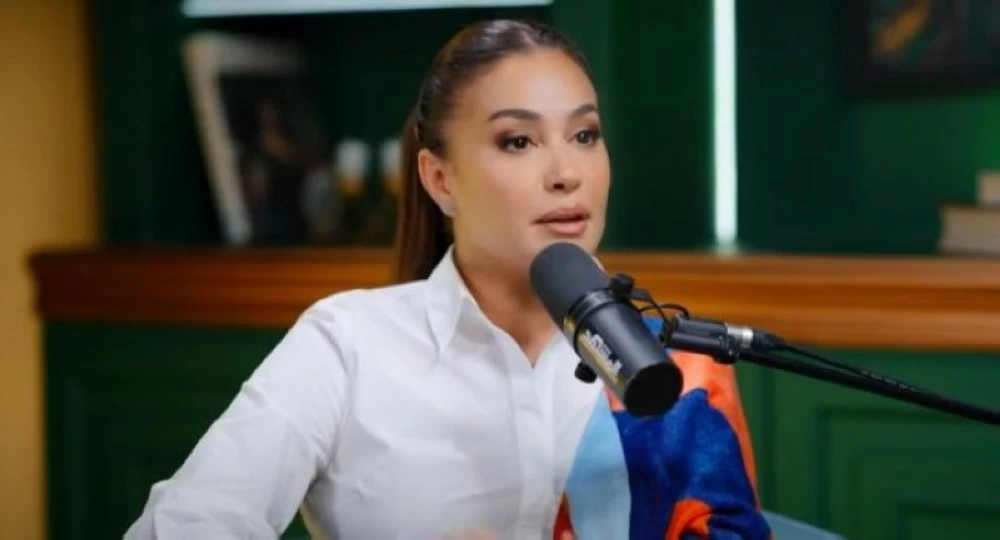
أكدت الفنانة التونسية هند صبري أن غيابها عن الساحة الفنية خلال العامين الماضيين جاء نتيجة ظروف شخصية وعائلية وصحية، مضيفة أن قرار الابتعاد كان ضروريًا في تلك المرحلة من حياتها.
ظروف عائلية
وأوضحت هند في تصريحات تلفزيونية أن السبب الرئيسي وراء توقفها عن العمل يعود إلى مرض والدتها، رحمها الله، حيث حرصت على التفرغ الكامل لرعايتها والبقاء إلى جانبها، معتبرة أن العمل لساعات طويلة لم يكن ممكنًا في ظل تلك الظروف الإنسانية الصعبة، مشيرةإلىشعورهابحالة من الاحتراق النفسي بسبب ضغط العمل المتواصل خلال السنوات الماضية، سواء في التمثيل أو الإنتاج، بعد مشاركتها في عدد من الأعمال الناجحة.
التفرغ للأسرة
وأضافت شعرت بإرهاق شديد أفقدني القدرة على الاستمتاع بنجاحي الفني، ما دفعني للتوقف المؤقت لاستعادة توازني النفسي وقضاء وقت أطول مع أسرتي وبناتي.
أعمال رمضان
و تشاركصبري في رمضان 2026 بمسلسل «ست الحسن» وهو اسم مبدئى للعمل، من قصة عباس أبو الحسن، وسيناريو وحوار عمرو الدالي، وإخراج حسين المنباوي.
Tunisian artist Hend Sabry confirmed that her absence from the artistic scene over the past two years was due to personal, family, and health circumstances, adding that the decision to step back was necessary at that stage of her life.
Family Circumstances
Hend explained in television statements that the main reason for her work stoppage was her mother's illness, may she rest in peace, as she dedicated herself completely to caring for her and staying by her side. She considered that working long hours was not possible under those difficult humanitarian circumstances, noting that she felt a state of emotional burnout due to the continuous work pressure over the past years, whether in acting or production, after participating in several successful works.
Focusing on Family
She added that she felt a severe exhaustion that deprived her of the ability to enjoy her artistic success, which prompted her to take a temporary break to regain her mental balance and spend more time with her family and daughters.
Ramadan Works
Sabry will participate in Ramadan 2026 with the series "Set El Hassan," which is a preliminary name for the work, based on a story by Abbas Abu El Hassan, with a screenplay and dialogue by Amr El Dali, and directed by Hussein El Manbawy.