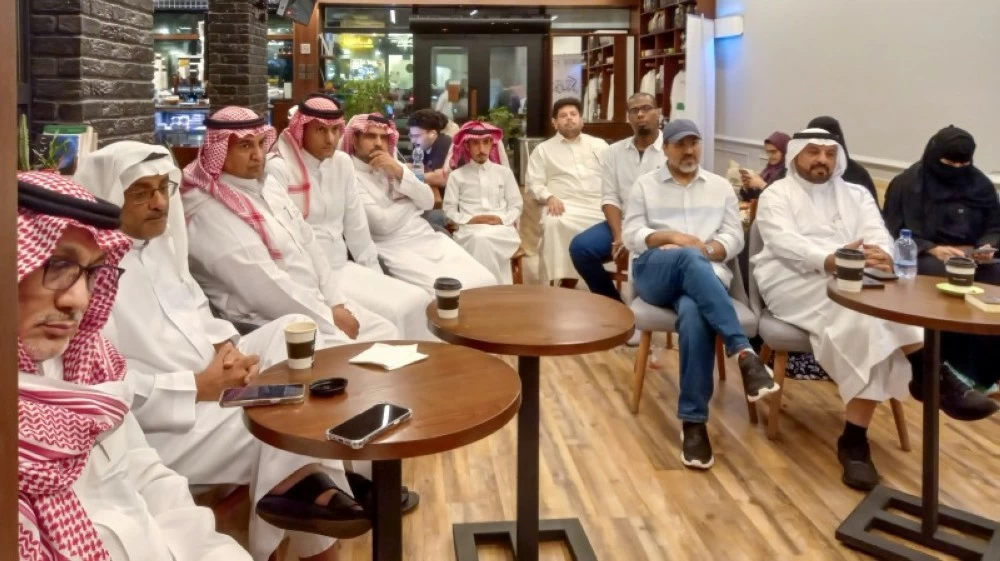
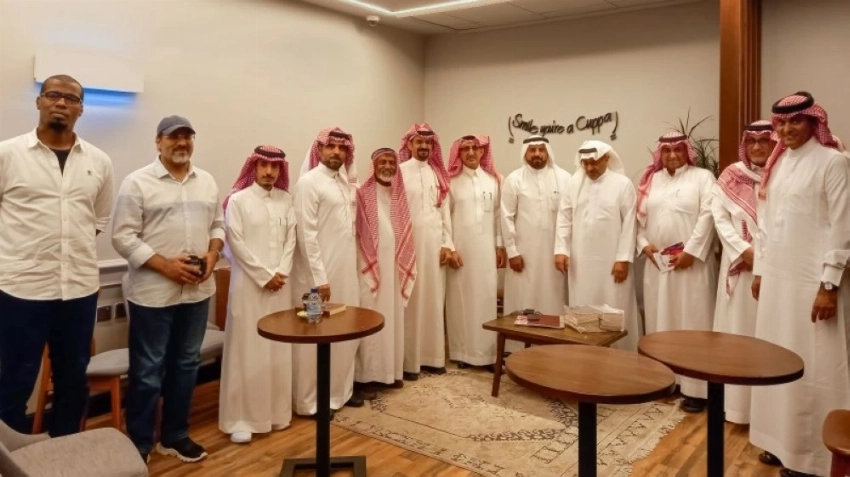
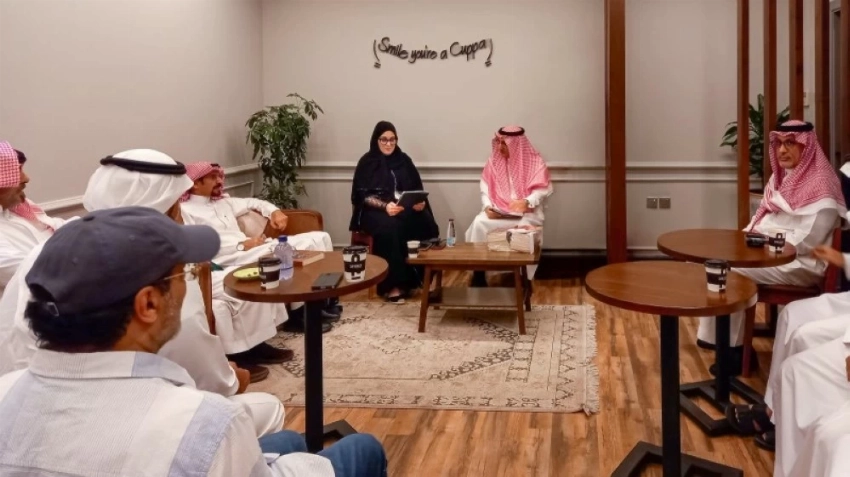
ضمن مبادرة الشريك الأدبي لهيئة الأدب والنشر والترجمة، وبالشراكة مع صالون ضاد الثقافي، أقيمت ليلة أمس (الأحد) أمسية أدبية للأديب القاص عبدالله ساعد المالكي في مقهى كوب بمدينة جدة، للحديث عن تجربته الإبداعية الملفتة، التي تتخذ في أغلبها من فضاء القرية حنيناً للفردوس المفقود، وإن كانت المدينة حاضرة بالتوازي في تجربته كما يؤكد، فمجال الكتابة ـ يضيف ـ إنسانية محضة، تتشكل هويتها وعلامتها الفارقة بحسب معطيات الفضاء التي تبني أفقها الخاص.
بدأت الأمسية بقراءة لمقدمة الأمسية القاصة أمل عطية، تناولت بالتحليل مجمل تجربة القاص المالكي الإبداعية.
ثم تلا ذلك حديث للمحتفى به حول تجربته الكتابية والإنسانية. ولعل أهم ما أشار إليه أن نصوصه إنسانية خالصة يتدفق إحساسها الحنيني بنزعته الحالمة في ظل الاغتراب المعاكس، بأمل ألاّ ينطفئ الحلم، وأن يظل محور الوجود وجوهره الحيّ.
وقرأ نصوصاً من مجموعته القصصية الجديدة، تنوعت بين عالم القرية وفضاء المدينة. قبل أن تعود مديرة اللقاء القاصة أمل عطية لطرح العديد من الأسئلة الإضافية، التي سعت من خلالها لإضفاء الممكنات التحليلية لقراءة تجربة القاص الإبداعية، وكون أن تجريب القاص يقوم على مستويين واضحين، (فضاء القرية وفضاء المدينة) وما ينتج خلال هذه العملية الإبداعية من نصوص لا تفقد هويتها وخصوصيتها. الأمر الذي أثار تفاعل ومداخلات الحضور بالنقاش المثري حول ما يمكن أن تشكله الكتابة من انتصار للفردوس المفقود (القرية الفاضلة) أمام عنف المحو المستمر الذي صار بمثابة المبدأ الاختباري لشيء لم يعد موجوداً ولكنه كامن ببراءته الأولى في وجدان كل من عاشه.
As part of the Literary Partner Initiative by the Literature, Publishing, and Translation Authority, in collaboration with the Dhad Cultural Salon, a literary evening was held last night (Sunday) for the writer and short story author Abdullah Saeed Al-Maliki at the Kube Café in Jeddah. The event focused on discussing his remarkable creative experience, which largely draws from the nostalgia of the village as a lost paradise, although the city is also present in his experience, as he affirms. He adds that the field of writing is pure humanity, shaped by its identity and distinctive mark according to the data of the space that builds its own horizon.
The evening began with a reading of the introduction by the short story author Amal Atiyah, who analyzed the overall creative experience of Al-Maliki.
Following this, the honoree spoke about his writing and human experience. Perhaps the most important point he mentioned is that his texts are purely human, flowing with a nostalgic feeling rooted in a dreamlike tendency amid the opposing alienation, with the hope that the dream does not extinguish and that it remains the axis of existence and its living essence.
He read texts from his new short story collection, which varied between the world of the village and the space of the city. Before returning to the meeting director, short story author Amal Atiyah, who posed several additional questions, aiming to provide analytical possibilities for reading the creative experience of the author, noting that the author's experimentation operates on two clear levels (the space of the village and the space of the city) and what emerges from this creative process are texts that do not lose their identity and specificity. This sparked interaction and contributions from the audience in a rich discussion about what writing can represent as a triumph for the lost paradise (the ideal village) against the continuous violence of erasure, which has become a testing principle for something that no longer exists but remains latent in its original innocence in the consciousness of everyone who has lived it.