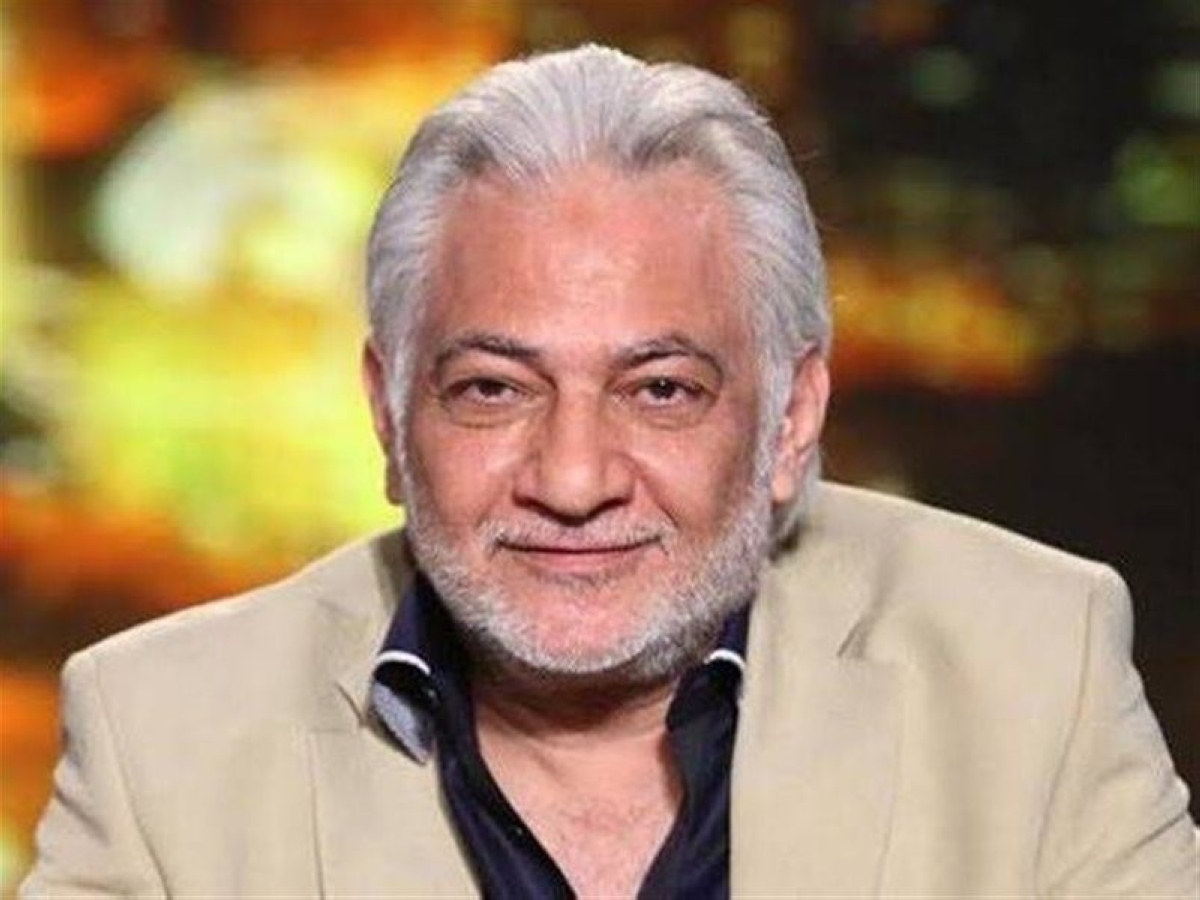
أكد الفنان المصري سامح الصريطي، أن الواقع الإعلامي يشهد تحولًا كبيرًا بفعل انتشار وسائل التواصل الاجتماعي والمنصات الرقمية، التي باتت المصدر الأول للأخبار لدى شريحة واسعة من الجمهور، وهذا التطور السريع انعكس بشكل مباشر على نسب توزيع الصحف والمجلات المطبوعة، التي تراجعت مقارنة بما كانت عليه قبل عقدين من الزمن.
ورغم هذا التراجع يرى الصريطي أن الصحافة الورقية لن تختفي كما يظن البعض، قائلاً: المنصات الإلكترونية أثرت بالطبع على الصحافة الورقية، لكن لا يمكننا القول إنها ستنتهي، هناك فئة ما زالت متمسكة بالصحف والمجلات؛ لأنها تبحث عن المعلومة الموثوقة بعيدًا عن الشائعات المنتشرة على الإنترنت.
وأضاف في تصريحات إعلامية: «الفرق الجوهري بين المحتوى الورقي والإلكتروني يكمن في المصداقية والدقة»، مشيرًا إلى أن الصحافة التقليدية تعتمد على التحقق من المصادر وتلتزم بمعايير المهنة، بينما يغلب على بعض صفحات التواصل الاجتماعي الطابع العشوائي، الذي قد يضر بوعي القارئ ويشوّه الحقيقة.
وأوضح الصريطي، أن الصحافة الورقية تظل رمزًا من رموز الثقافة والوعي، فهي لا تكتفي بنقل الخبر، بل تحلله وتعرضه في سياقه الصحيح، وما زلت أؤمن أن الصحافة الورقية قادرة على استعادة ثقة الجمهور إذا تمسكت بالمهنية والموضوعية، فالكلمة الصادقة لا تموت، حتى لو تغيّر شكلها أو وسيلتها.
وفي حديثه عن المؤسسات العريقة، أشار الصريطي إلى أن بعض الكيانات الإعلامية تمتلك تاريخًا طويلًا من المصداقية، يجعلها قادرة على مواجهة التحديات الرقمية بجدارة، لافتًا إلى أن تلك المؤسسات تمثّل مدارس حقيقية في الالتزام والانضباط الإعلامي، وهي من يمكنها أن تقود عملية التوازن بين الإعلام التقليدي والحديث.
وكشف الصريطي تحضيره لعدد من المشروعات الدرامية الجديدة التي يعمل عليها خلال الفترة المقبلة، متمنيًا أن تنال إعجاب الجمهور.
The Egyptian artist Samih Al-Sariti confirmed that the media landscape is undergoing a significant transformation due to the spread of social media and digital platforms, which have become the primary source of news for a wide segment of the audience. This rapid development has directly reflected on the distribution rates of printed newspapers and magazines, which have declined compared to what they were two decades ago.
Despite this decline, Al-Sariti believes that print journalism will not disappear as some might think, stating: "Electronic platforms have certainly affected print journalism, but we cannot say it will end. There is a segment that still clings to newspapers and magazines because they seek reliable information away from the rumors circulating on the internet."
He added in media statements: "The fundamental difference between print and electronic content lies in credibility and accuracy," pointing out that traditional journalism relies on verifying sources and adheres to professional standards, while some social media pages tend to have a random nature that can harm the reader's awareness and distort the truth.
Al-Sariti explained that print journalism remains a symbol of culture and awareness; it does not merely convey news but analyzes it and presents it in its correct context. I still believe that print journalism can regain the audience's trust if it adheres to professionalism and objectivity, as the truthful word does not die, even if its form or medium changes.
In his discussion about prestigious institutions, Al-Sariti pointed out that some media entities have a long history of credibility, which enables them to face digital challenges competently, noting that these institutions represent true schools in media commitment and discipline, and they are the ones who can lead the process of balancing between traditional and modern media.
Al-Sariti revealed that he is preparing a number of new dramatic projects that he is working on in the upcoming period, hoping that they will please the audience.