


إبراهيم الحجاج، فنان سعودي أصبح في غضون أعوام قليلة أحد أكثر الأسماء إثارة للفضول النقدي في مشهد الكوميديا الجديدة، لأنه لا يمثل نموذج «النجم المكتمل»، بل تجسيداً لما يمكن أن نسميه بـ «التحوّل النوعي» في الأداء الكوميدي السعودي.
الحجاج، ليس ممثلًا عاديًا يبحث عن الضحك السريع، بل عن الضحك المُنتج للمعنى، يشتغل على الشخصية لا كأداة إضحاك، بل كجسد درامي يكتشف هشاشته في لحظة كوميدية، ويقلب الهزل إلى وعي، والسخرية إلى مرايا.
في كل أداء له من الشاشة الصغيرة إلى السينما يمكن ملاحظة حسٍّ أدائي يتجاوز العفوية إلى ما يشبه الوعي الأدائي المُمسرح؛ حضور يعرف كيف يلتقط تفاصيل الشخصية ويعيد تركيبها بلمسة تنتمي إلى مدارس التمثيل الواقعي المعاصر، حيث تكون المفارقة هي المحرك لا النص.
الحجاج اليوم لا يُصنف بين الكوميديين التقليديين الذين يعتمدون على «الإفيهات» أو الانفعال، بل يقترب من فكرة «الممثل الواعي بالبنية»، ممثل يُدير المشهد داخليًا، يُوازن بين السخرية والعمق، بين الرتم الكوميدي والتراجيدي الخفي. هو لا يهرب من الموقف الكوميدي، لكنه لا يستسلم له أيضًا، بل يعيد تعريفه. في هذا التوازن، تكمن ملامسة القمة، ذلك الشعور بأن الفنان بات على تماس مع النضج دون أن يفقد شهية المغامرة.
اللافت، أن هذه الملامسة تأتي في لحظة فارقة من تطور السينما السعودية وطرقها أبواب العالمية كما في إسعاف مثلًا، حيث تُنتج فضاءً يسمح للممثل أن يُجرّب، أن يخطئ بذكاء، أن يتجاوز النمط المحلي إلى مشهد بصري أوسع.
في هذا السياق، يشكل إبراهيم الحجاج نموذجًا لطبقة جديدة من الممثلين تسعى إلى الهوية الأدائية، إلى الصوت المختلف وسط الضجيج والاكتظاظ.
ربما لم يصل إبراهيم بعد إلى ذروة النجومية الكاملة، لكنه بلغ مرحلة حساسة: مرحلة النضج قبل الاكتمال، أو ما يسميه النقاد بمنطقة الخطر الجميل.
حيث يقف الفنان فيها بين احتمالات متعددة، إما أن يتحول إلى ظاهرة باهتة، أو أن يُثبت نفسه كعلامة فارقة في جغرافيا الأداء الكوميدي العربي.
ولعل جمال تجربته يكمن هنا بالضبط: أنه لم يسعَ إلى القمة بوصفها مجدًا، بل لامسها بوصفها اختبارًا للذات، وهذا ما يجعل من إبراهيم الحجاج اليوم ليس مجرد نجم كوميدي، بل ظاهرة أدائية تُعيد تعريف النجومية في المشهد السعودي.
#بروفايل
إبراهيم الحجاج.. ملامسة القمة دون التورط في بريقها
9 أكتوبر 2025 - 00:57
|
آخر تحديث 9 أكتوبر 2025 - 00:57
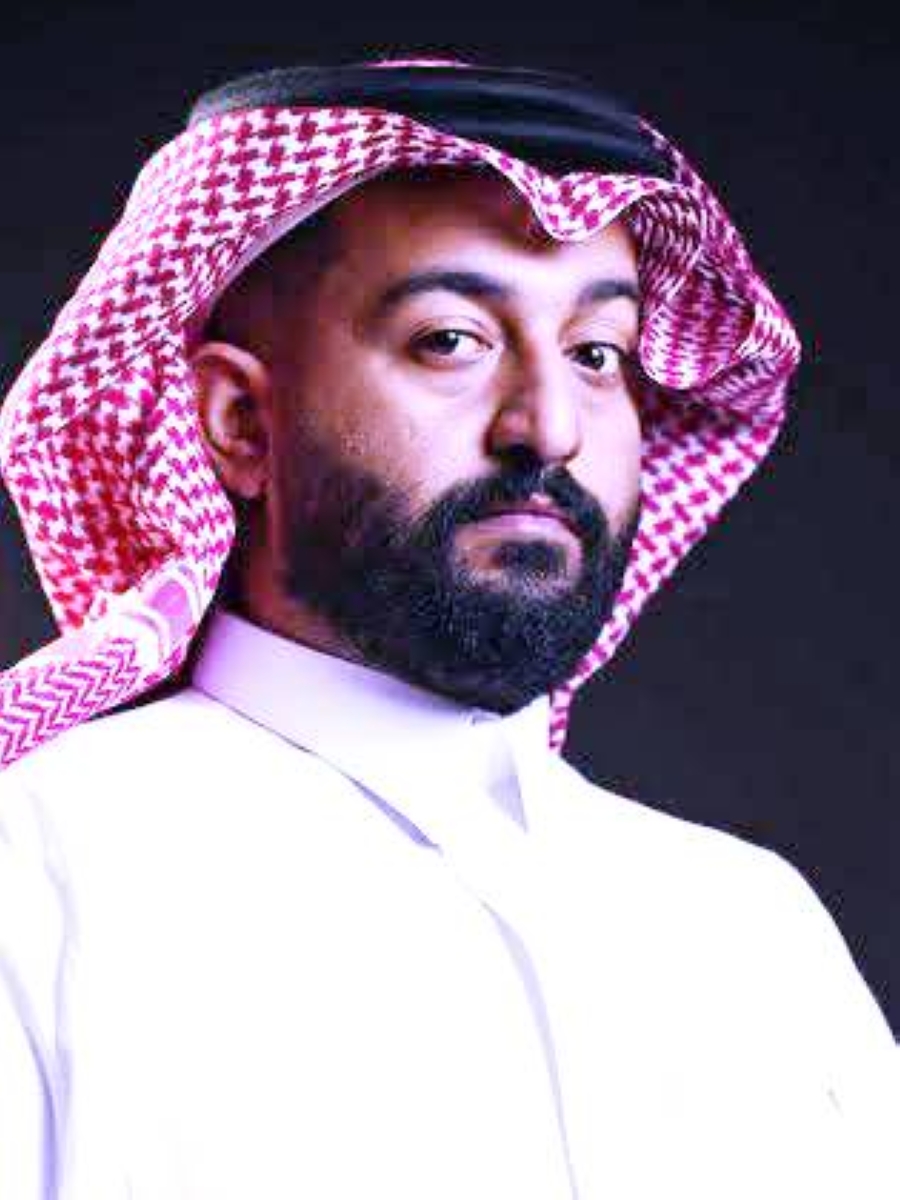
إبراهيم الحجاج


تابع قناة عكاظ على الواتساب
«عكاظ» (جدة) OKAZ_online@
Ibrahim Al-Hajjar, a Saudi artist, has quickly become one of the most intriguing names in the new comedy scene, as he does not represent the model of the "complete star," but rather embodies what we can call a "qualitative transformation" in Saudi comedic performance.
Al-Hajjar is not an ordinary actor seeking quick laughs, but rather laughter that produces meaning. He works on the character not as a tool for humor, but as a dramatic body that discovers its fragility in a comedic moment, turning absurdity into awareness and sarcasm into mirrors.
In every performance, from the small screen to cinema, one can notice a sense of performance that transcends spontaneity to what resembles a theatrical performance awareness; a presence that knows how to capture the details of the character and reassemble them with a touch belonging to contemporary realistic acting schools, where irony is the driving force, not the text.
Today, Al-Hajjar is not classified among traditional comedians who rely on "punchlines" or emotional outbursts, but rather approaches the idea of the "conscious structural actor," an actor who manages the scene internally, balancing between sarcasm and depth, between comedic rhythm and hidden tragedy. He does not escape the comedic situation, but he does not surrender to it either; instead, he redefines it. In this balance lies the touch of the summit, that feeling that the artist is in contact with maturity without losing the appetite for adventure.
What is striking is that this touch comes at a pivotal moment in the evolution of Saudi cinema, as it opens doors to global recognition, as seen in "Ishaf," for example, where it creates a space that allows the actor to experiment, to make intelligent mistakes, and to transcend the local style to a broader visual scene.
In this context, Ibrahim Al-Hajjar represents a model for a new class of actors striving for performative identity, for a distinct voice amidst the noise and congestion.
Perhaps Ibrahim has not yet reached the peak of complete stardom, but he has reached a sensitive stage: the stage of maturity before completion, or what critics call the beautiful danger zone.
Here, the artist stands between multiple possibilities: either to become a faded phenomenon or to establish himself as a distinctive mark in the geography of Arab comedic performance.
And perhaps the beauty of his experience lies precisely here: that he has not sought the summit as a glory, but has touched it as a test of self, which makes Ibrahim Al-Hajjar today not just a comedic star, but a performative phenomenon that redefines stardom in the Saudi scene.
Al-Hajjar is not an ordinary actor seeking quick laughs, but rather laughter that produces meaning. He works on the character not as a tool for humor, but as a dramatic body that discovers its fragility in a comedic moment, turning absurdity into awareness and sarcasm into mirrors.
In every performance, from the small screen to cinema, one can notice a sense of performance that transcends spontaneity to what resembles a theatrical performance awareness; a presence that knows how to capture the details of the character and reassemble them with a touch belonging to contemporary realistic acting schools, where irony is the driving force, not the text.
Today, Al-Hajjar is not classified among traditional comedians who rely on "punchlines" or emotional outbursts, but rather approaches the idea of the "conscious structural actor," an actor who manages the scene internally, balancing between sarcasm and depth, between comedic rhythm and hidden tragedy. He does not escape the comedic situation, but he does not surrender to it either; instead, he redefines it. In this balance lies the touch of the summit, that feeling that the artist is in contact with maturity without losing the appetite for adventure.
What is striking is that this touch comes at a pivotal moment in the evolution of Saudi cinema, as it opens doors to global recognition, as seen in "Ishaf," for example, where it creates a space that allows the actor to experiment, to make intelligent mistakes, and to transcend the local style to a broader visual scene.
In this context, Ibrahim Al-Hajjar represents a model for a new class of actors striving for performative identity, for a distinct voice amidst the noise and congestion.
Perhaps Ibrahim has not yet reached the peak of complete stardom, but he has reached a sensitive stage: the stage of maturity before completion, or what critics call the beautiful danger zone.
Here, the artist stands between multiple possibilities: either to become a faded phenomenon or to establish himself as a distinctive mark in the geography of Arab comedic performance.
And perhaps the beauty of his experience lies precisely here: that he has not sought the summit as a glory, but has touched it as a test of self, which makes Ibrahim Al-Hajjar today not just a comedic star, but a performative phenomenon that redefines stardom in the Saudi scene.


