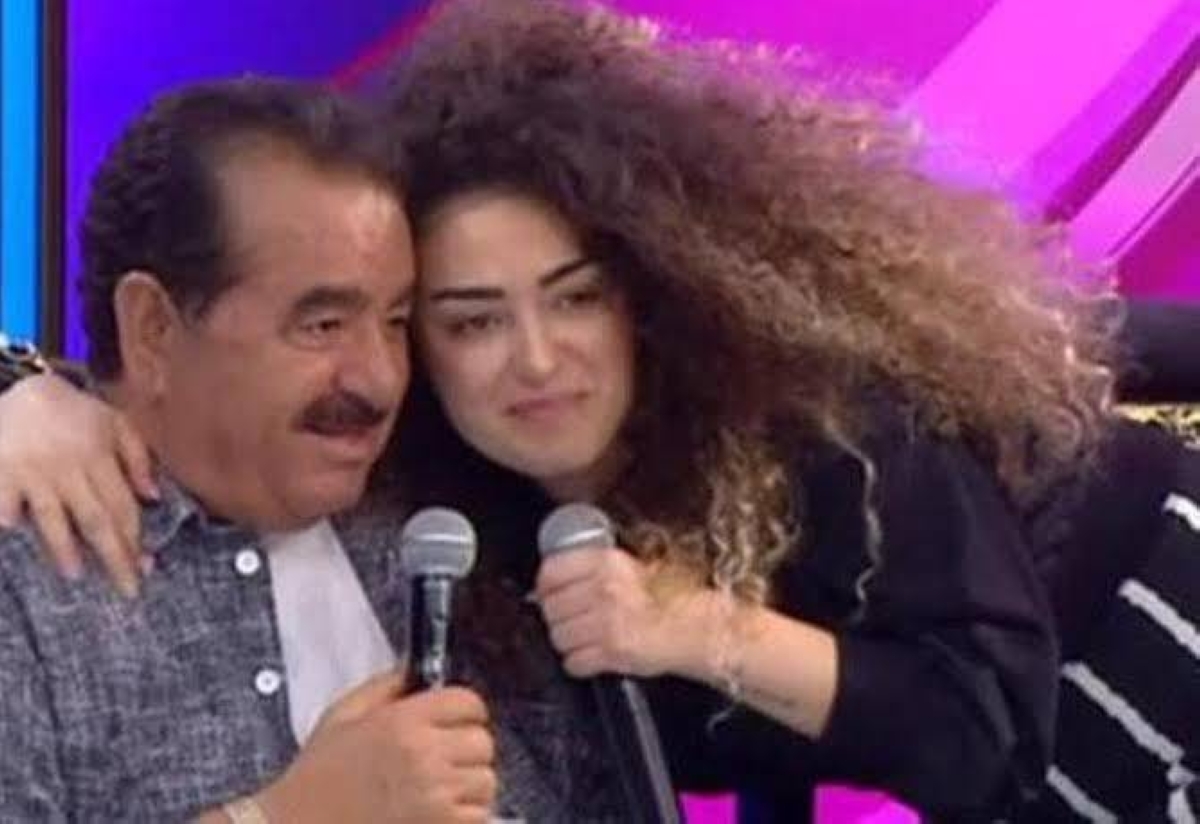
أحالت النيابة العامة في تركيا الفنانة ديلان تشيتاك ابنة المغني الكبير إبراهيم تاتليس إلى المحكمة للنظر في القضية التي تقدم بها والدها ضدها، واتهمها من خلالها بمحاولة التعدي عليه بجهاز التحكم بالتلفاز «ريموت»، خلال تواجدهما في منزله في بودروم العام الماضي.
رغم أن إبراهيم تاتليس تراجع عن الشكوى، التي قدمها للجهات المعنية في محاولة لإنهاء الأزمة داخل العائلة، غير أن القانون التركي، وتحديدًا المادة 73 من قانون العقوبات، ينص على استمرار الملاحقة القضائية في بعض القضايا حتى في حال سحب الشكوى، باعتبارها جرائم لا تعتمد على رغبة الأطراف وبهذا استمر التحقيق رغم تراجع الفنان عن موقفه الأولي.
التطور اللافت في القضية تمثل في قرار النيابة العامة التي اعتبرت جهاز التحكم بالتلفزيون سلاحًا وفقًا للمادة السادسة من قانون العقوبات، وبناءً عليه جرى تصنيف الواقعة على أنها «محاولة اعتداء باستخدام سلاح»، ما نقلها إلى مستوى أكثر خطورة من مجرد مشاجرة عائلية هذا التوصيف القانوني فتح الباب أمام محاكمة علنية بدلاً من الاكتفاء بمعالجة المسألة حادثةً منزليةً عابرة.
وأفادت تقارير صحفية أن ديلان تشيتاك اعترفت خلال التحقيقات بما نسب إليها من اتهامات، وهو ما دعم موقف النيابة في إعداد لائحة اتهام رسمية، وأكدت الوثائق أن الملف أُحيل إلى المحكمة بطلب معاقبة الابنة باسم الحق العام، مستندًا إلى الأدلة وشهادات العاملين، ومن المتوقع أن تبدأ المحاكمة خلال الأسابيع المقبلة.
وشهد منزل إبراهيم تاتليس في بودروم خلافًا حادًا خلال وجبة إفطار جمعته بابنته، ووفقًا للتقارير فقد تصاعد التوتر بين الطرفين بشكل مفاجئ، لتقدم تشيتاك على انتزاع جهاز التحكم الخاص بالتلفزيون من الطاولة ورميه باتجاه والدها، ورغم أن الجهاز لم يصبه، فإن الموقف تطور إلى مشادة عنيفة وسط ذهول الحاضرين.
وأكد العاملون في المنزل، الذين حضروا الواقعة، أن تاتليس بدا غاضبًا بشدة بعد الحادثة، وطلب من فريقه إخراج ابنته من المنزل، مشيرين إلى استمرار الجدل بصوت مرتفع بين الطرفين حتى بعد إخراجها، ما عكس عمق الخلاف القائم بين الأب وابنته. تلك الشهادات شكلت ركيزة أساسية في الملف القضائي الذي جرى فتحه لاحقًا.
The public prosecutor's office in Turkey has referred artist Dilan Chetak, the daughter of the famous singer Ibrahim Tatlıses, to court to consider the case filed against her by her father, who accused her of attempting to assault him with the television remote control while they were at his home in Bodrum last year.
Although Ibrahim Tatlıses retracted his complaint, which he filed with the relevant authorities in an attempt to resolve the family crisis, Turkish law, specifically Article 73 of the Penal Code, stipulates that prosecution can continue in certain cases even if the complaint is withdrawn, as these are considered crimes that do not depend on the wishes of the parties involved. Thus, the investigation continued despite the artist retracting her initial position.
The notable development in the case was the decision of the public prosecutor's office, which considered the television remote control a weapon according to Article 6 of the Penal Code. Accordingly, the incident was classified as "attempted assault using a weapon," elevating it to a more serious level than just a family quarrel. This legal characterization opened the door for a public trial instead of merely addressing the issue as a minor household incident.
Reports indicated that Dilan Chetak admitted during the investigations to the accusations against her, which supported the prosecutor's position in preparing an official indictment. Documents confirmed that the case was referred to court with a request to punish the daughter in the name of the public interest, based on evidence and witness testimonies. The trial is expected to begin in the coming weeks.
There was a sharp disagreement at Ibrahim Tatlıses's home in Bodrum during a breakfast gathering with his daughter. According to reports, tensions between the two parties escalated suddenly, leading Chetak to snatch the television remote from the table and throw it at her father. Although the device did not hit him, the situation escalated into a violent altercation, shocking those present.
Household staff who witnessed the incident confirmed that Tatlıses appeared extremely angry after the incident and asked his team to remove his daughter from the house, noting that the loud argument between the two continued even after she was taken out, reflecting the depth of the conflict between father and daughter. These testimonies formed a crucial basis for the legal file that was later opened.