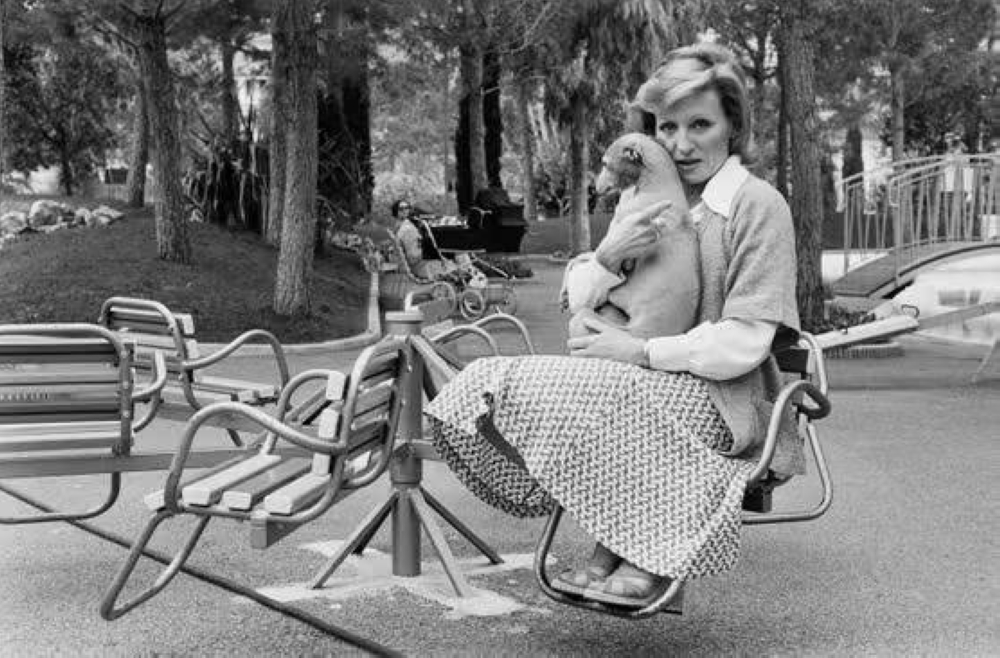
غيّب الموت اليوم (الأربعاء) الفنانة الفرنسية نيكول كرواسي، المطربة والممثلة وراقصة الباليه، عن عمر 88 عاماً، حسب صحيفة لوموند الفرنسية.
اشتهرت كرواسي بأدائها الأيقوني لأغنية «دا با دا با دا» في الفيلم الشهير «رجل وامرأة»، والتي أصبحت علامة موسيقية خالدة في ذاكرة عشاق السينما.
وُلدت نيكول كرواسي في 9 أكتوبر 1936 في نويي-سور-سين، ونشأت في بيئة موسيقية بفضل والدتها، عازفة البيانو الهاوية.
منذ طفولتها، أظهرت شغفا بالفنون، حيث درست الرقص الكلاسيكي وحلمت بالوقوف على المسرح رغم معارضة والدها، وقالت ذات مرة: كنت أعلم دائماً أن مكاني على خشبة المسرح، هناك أشعر بالحرية.
في سن المراهقة، اكتشفت موسيقى الجاز مع سدني بيشيه، مما شكّل نقطة تحول في مسيرتها.
درست كرواسي، فن التمثيل الصامت مع مارسيل مارسو، وسافرت مع فرقته إلى أمريكا الجنوبية عام 1957، ثم إلى الولايات المتحدة عام 1960، وهناك أثبتت موهبتها في عروض المسرح الموسيقي، حيث قادت عروضاً في رينو ونيويورك وشيكاغو، مكتسبة لقب Soul Sister بفضل صوتها الدافئ وأسلوبها المتألق.
وفي عام 1966 تعاونت مع المخرج كلود لولوش والملحن فرانسيس لاي لتؤدي أغنية فيلم «رجل وامرأة» مع بيير باروه، لتصبح الأغنية رمزاً عالمياً.
واصلت التعاون مع لولوش في أفلام مثل «عش لتعيش» 1967، «الآخرون» 1981، و«مسار طفل مدلل» 1988.
وفي السبعينات، حققت نجاحاً كبيراً بأغانٍ مثل «تحدث إليّ عنه» و«امرأة معك»، معبرة عن صورة المرأة الحرة، وفي عامي 1976 و1978، أذهلت الجمهور بأدائها في مسرح الأولمبيا بباريس.
تنوعت موهبتها بين الجاز والموسيقى الشعبية والمسرح الموسيقي، حيث تألقت في «هيلو دوللي» عام 1992، و «فوليز» 2013، و «كاباريهز» 2014.
كما شاركت في السينما والتلفزيون، حيث لعبت دوراً بارزاً في مسلسل «دولمن» عام 2005، الذي جذب 12 مليون مشاهد.
في عام 2006، روت كرواسي قصتها في سيرتها الذاتية «لم أرَ الزمن يمر»، التي لخصت 60 عاماً من العطاء الفني، وعُرفت بحياتها الخاصة الهادئة، لكنها كانت دائماً صريحة بشغفها بالغناء والرقص والتمثيل، وقالت: «الغناء والرقص والتمثيل هو الحياة التي أردت عيشها».
Today (Wednesday), the French artist Nicole Croisi, singer, actress, and ballet dancer, passed away at the age of 88, according to the French newspaper Le Monde.
Croisi was famous for her iconic performance of the song "Da Ba Da Ba Da" in the famous film "A Man and a Woman," which became a timeless musical hallmark in the memory of cinema lovers.
Nicole Croisi was born on October 9, 1936, in Neuilly-sur-Seine, and grew up in a musical environment thanks to her mother, an amateur pianist.
From childhood, she showed a passion for the arts, studying classical dance and dreaming of standing on stage despite her father's opposition. She once said: "I always knew that my place was on stage; there I feel free."
As a teenager, she discovered jazz with Sidney Bechet, which marked a turning point in her career.
Croisi studied the art of mime with Marcel Marceau and traveled with his troupe to South America in 1957, then to the United States in 1960, where she proved her talent in musical theater performances, leading shows in Reno, New York, and Chicago, earning the title Soul Sister thanks to her warm voice and dazzling style.
In 1966, she collaborated with director Claude Lelouch and composer Francis Lai to perform the song from the film "A Man and a Woman" with Pierre Barouh, making the song a global symbol.
She continued to collaborate with Lelouch in films such as "Live for Life" (1967), "The Others" (1981), and "The Spoiled Child's Path" (1988).
In the 1970s, she achieved great success with songs like "Talk to Me About It" and "A Woman with You," expressing the image of a free woman. In 1976 and 1978, she amazed audiences with her performances at the Olympia Theatre in Paris.
Her talent spanned jazz, pop music, and musical theater, where she shone in "Hello, Dolly!" in 1992, "Folies" in 2013, and "Cabarets" in 2014.
She also participated in cinema and television, playing a prominent role in the series "Dolmen" in 2005, which attracted 12 million viewers.
In 2006, Croisi recounted her story in her autobiography "I Didn't See Time Pass," which summarized 60 years of artistic contribution. She was known for her quiet private life, but she was always outspoken about her passion for singing, dancing, and acting, saying: "Singing, dancing, and acting is the life I wanted to live."