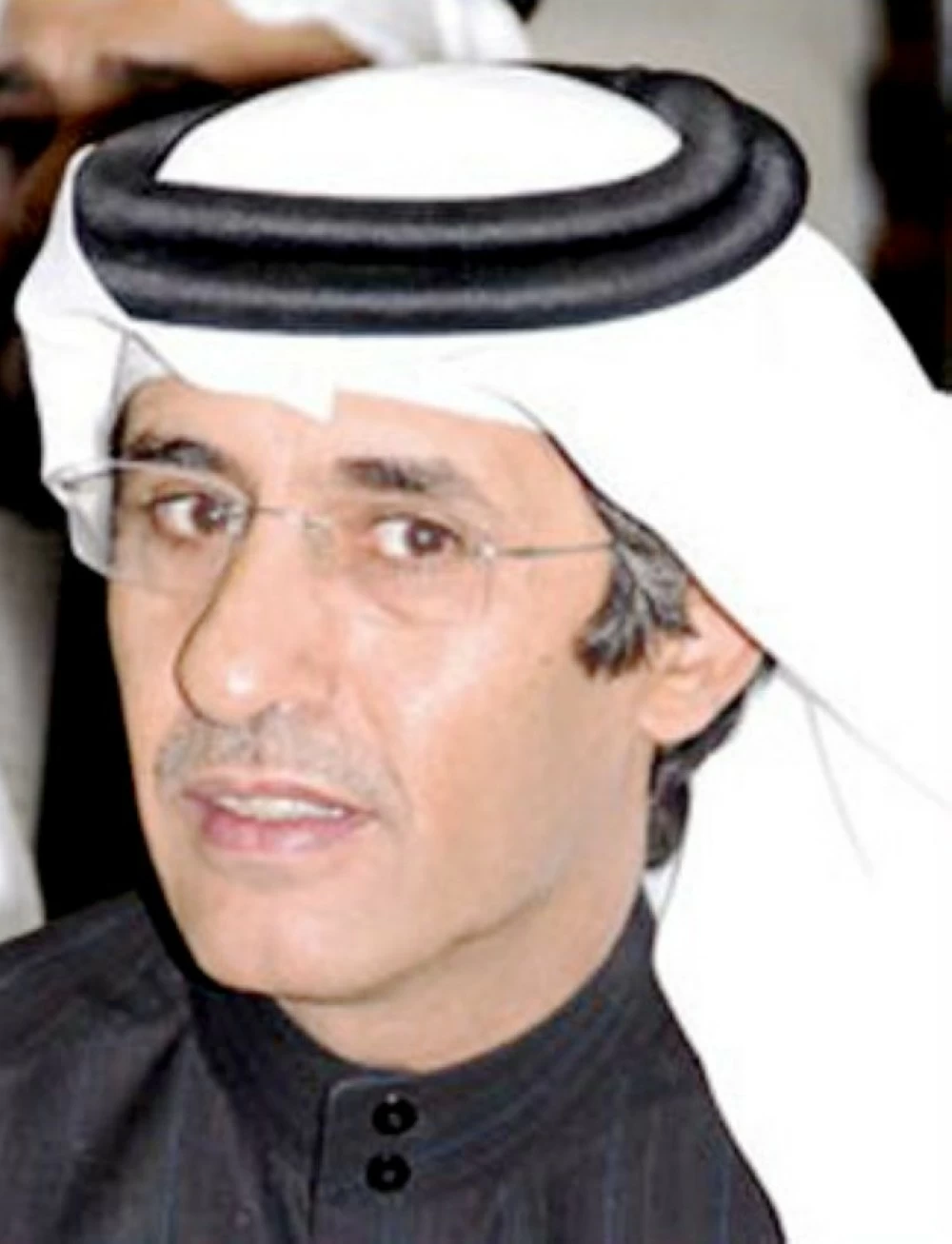
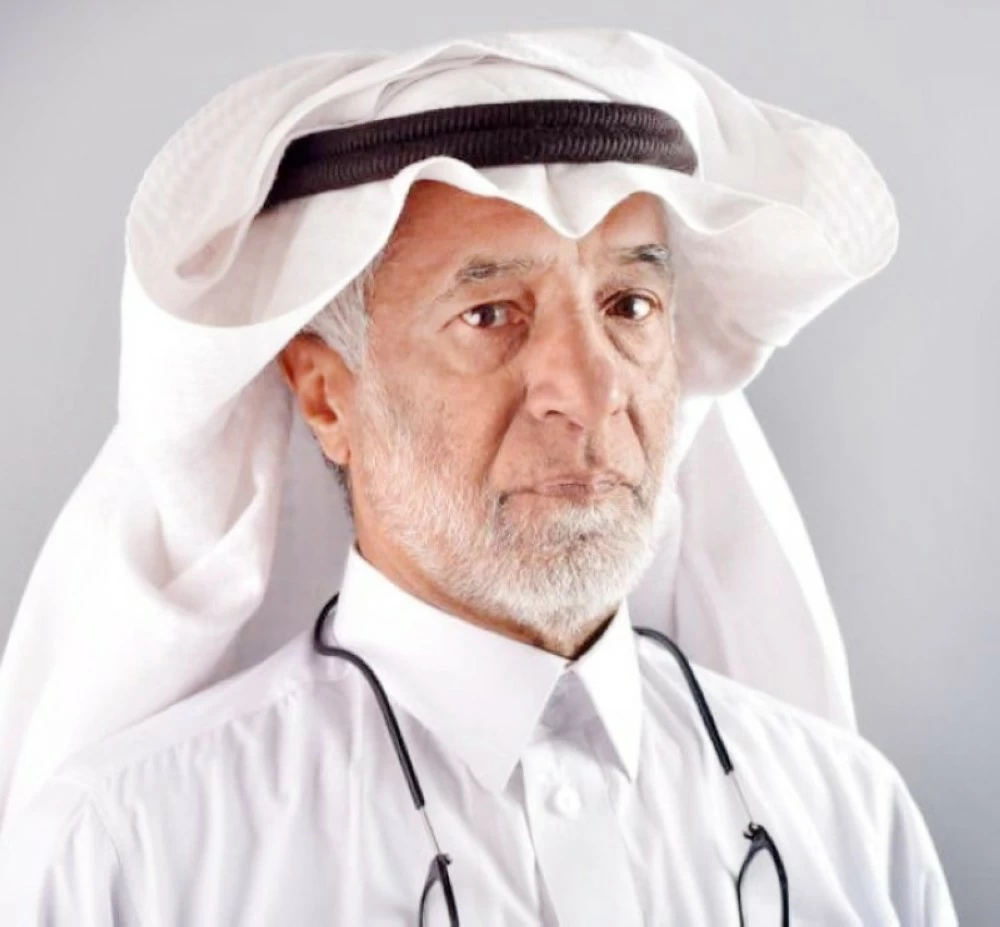
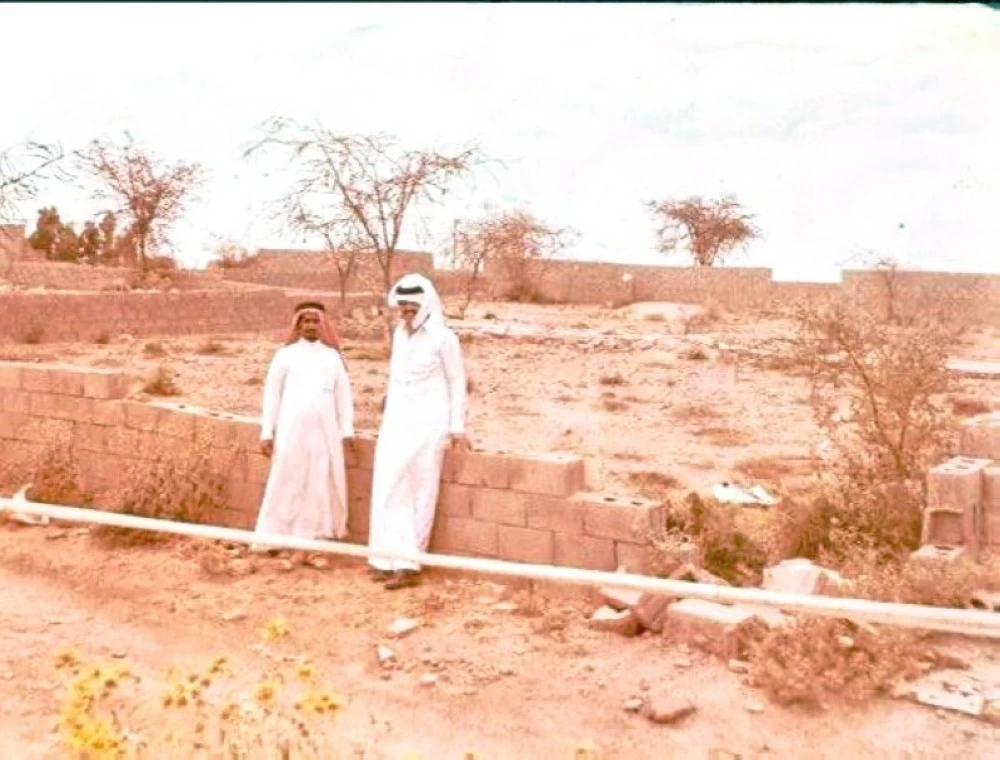
أن يلتفت مثقفو العالم لرحيل الكاتب الروائي أحمد أبو دهمان، وتنعاه السفارة الفرنسية في الرياض، وتؤكد أنها لن تنسى هذا الصوت الحساس، الذي يفتح طريقة أخرى للوجود في العالم، فذلك دليل مكانة الراحل (أبو نبيلة) الذي استعاد (جنوبه) وأعاد صياغته في رواية (الحزام) واشترتها دار (غليمار) في عاصمة النور، فكستها حُلّة باريسيّة.
وفي هذه المساحة التأبينية، تستعيد «عكاظ»، من خلال أصدقاء وأقارب صاحب الحزام، جوانب من النشأة والعلاقات الإنسانية، وتوثق المكان الذي انطلق منه وبه أبو دهمان إلى العالمية.
محمد آل عطيف: يبكي لأي مشهد يثير عاطفته
في رحيل ابن الخالة الأديب العالمي أحمد بن سعد أبو دهمان، تنطوي صفحة من أنقى صفحات التواصل الأخوي شبه الأسبوعي، كان دائماً ما يسأل عن أحفادي وعن صحتهم، وعن مزيد من الصور لأمي (خالته)، التي توفيت بعد أمه بنحو عقدين، إذ يقول إنها تذكره بأمه رحمهم الله.
كان كثيراً ما يصمت في أحاديثه عن قريته وقرية أخواله (درامة بني بشر)، خصوصا مداميكها وأزقتها، يضع يده اليمنى على خده ويصمت برهة، ثم يعاود الحديث.
كان عاطفياً، يبكي من أي مشهد يثير عاطفته، لكنه سرعان ما يتمالك نفسه ويعيد الحديث بأدب جم لا تريد منه أن يسكت.
ولد أبو دهمان في قرية آل الخلف بني بشر، إحدى قرى محافظة سراة عبيدة في منطقة عسير، وحمل قريته في قلبه، فجعل منها بطلةً لروايته (الحزام)، التي تُرجمت للفرنسية، وأبهر بها الأدب العالمي، وكانت جسراً بين الثقافتين العربية والفرنسية، وصوتاً يعبر عن الإنسان الجنوبي أينما كان.
رحل جسداً، لكن إرثه سيظل ماثلاً في كل من قرأ الحزام، وفي كل من مرّ على رجال ألمع باحثاً عن الحكاية في ملامح المكان.
علي الموسى: انثروا ما تبقى من أوراقه على مرابع ابن الملوح
أحمد أبو دهمان كاتب الأمل المنبث من خوالج نفس امتزجت بالحزن، وكاتب المجموع رغم نهايات الحبس الانفرادي الذي اختاره لنفسه في أعوام نفسه الأخير.
موضحاً أن آخر اتصال بينهما كان في ليلة الـ7 من نوفمبر الماضي، وروى له أول ليلة قضاها في مستشفى الشميسي بالرياض، وترك الغرفة، وانضم إلى العصبة الأولى من مهاجري جماعته الذين يعمل بعضهم على بوابة المشفى نفسه الذي نام فيه عليلاً ليلة الجلطة الأولى قبل أعوام، ويرى أن «أبو دهمان»، تلظّى بغربة وعذابات، ولم يكن متصالحاً مع نهايات الرحلة، ولا ودوداً لصيرورة المرحلة الإنسانية ولا متسامحاً مع الحاجة، الكفاف حد الجفاف. وذهب إلى أنه كان دوماً خارج المكان، فلم يسكنه مكان سكن فيه. لم تسكنه أبداً قريته التي انكسرت عليه إلى نصفين: نصف ضده ونصف ثانٍ لم يقبل وصائف روايته، ولم تسكنه باريس التي عاشها 30 عاماً.
وتطلّع إلى حمل نعشه إلى شارع الأعشى وبيوت منفوحة القديمة وحرم كلية الآداب القديم بشارع الجامعة بالملز، وشحن لباسه لإفرنجي، إلى حدائق (تروكاديرو) في باريس وجادة جورج الخامس، وانثروا آخر أوراقه، على مرابع قيس بن الملوح، الذي كتب بشعره شيئاً من سيرة (أبو دهمان) قبل أكثر من 14 قرناً، فكلاهما كأنما جاءا إلى الدنيا هرباً من النهايات، وكلاهما هرب إلى النهايات؛ كي ينسى عذابات الدنيا.
علي مكي: أقام في الهامش وأضاء المركز!
ليس سهلاً أن يُكتب عن أحمد (أبو دهمان) بعد رحيله؛ لأنّ الكتابة كانت بيته الأول، وصوته الأصدق، وامتداده الطبيعي في العالم. رحل الكاتب والروائي السعودي الذي عاش حياته وفيّاً للكلمة، ومخلصاً لفكرة أن الأدب ليس ترفاً، بل طريقة لفهم الوجود، والإنسان، والتحولات العميقة التي تصنعنا دون أن ننتبه.
عرفه القرّاء بوصفه صاحب (الحزام)، الرواية التي خرجت من القرية إلى العالم، ومن الذاكرة المحلية إلى اللغات الأخرى، دون أن تفقد نبرتها الأولى. لكنه، في الجوهر، كان أكثر من رواية ناجحة أو اسم لامع، كان كاتباً يُقيم في الهامش ليضيء المركز، ويكتب من التفاصيل الصغيرة ليقول ما تعجز عنه الشعارات الكبرى.
قبل سنوات، حين أجريتُ معه حواراً في «عكاظ»، بدا أحمد أبو دهمان كما هو في نصوصه: هادئاً، عميقاً، ممتلئاً بالحكايات التي لا تُقال دفعة واحدة. كان يتحدث عن طفولته في القرية لا بوصفها ذكرى بعيدة، بل باعتبارها مخزوناً حيّاً للكتابة، وعن الغناء الذي كان يرافق الحياة والموت معاً، وكأنّ الفرح والحزن عنده وجهين لعملة واحدة اسمها الإنسان.
لم يكن يرى الكتابة فعلاً بطولياً، ولا كان يتعامل معها بوصفها مهنة استعراضية. كان يؤمن أن الكلمة حين تُكتب بصدق تصبح كائناً حياً تتحرك، وتتنفس، وتترك أثرها دون افتعال. في حديثه، لم يبالغ في تعريف نفسه، ولم يتكئ على منجزه، بل كان أقرب إلى راوٍ يعرف أن أجمل ما في الحكاية هو ما يُترك للقارئ ليكتشفه وحده.
تحدث عن اللغة بوصفها وطناً، لا أداة. وعن الغربة لا كفقد، بل كمسافة ضرورية لرؤية الذات بوضوح. كان يدرك أن الكتابة بين ثقافتين لا تعني التنازل عن الجذور، بل تعني اختبارها في ضوء آخر. لذلك ظل نصه محتفظاً بحرارته الأولى، حتى وهو يُقرأ بلغات بعيدة.
في الحوار، كان واضحاً أن النجاح عنده لا يُقاس بالانتشار ولا بالجوائز، بل بقدرة النص على البقاء. أن يظل حياً في الذاكرة، وأن يعثر القارئ فيه على شيء يشبهه، أو يوجعه، أو يواسيه. تلك القناعة تفسّر لماذا بقي أحمد أبو دهمان بعيداً عن الصخب، قريباً من الجوهر.
برحيله، تخسر الثقافة السعودية واحداً من أصواتها الأصيلة، وتخسر الرواية العربية كاتباً آمن بأن الحكاية الحقيقية لا تُكتب من فوق، بل من الداخل. لكن ما يخفف هذا الفقد أن أثره لم يُغلق بموته، فالنصوص التي كتبها، والحوارات التي قال فيها نفسه بصدق، ستظل شاهدة على كاتب عاش كما كتب، وكتب كما عاش. رحم الله أحمد أبو دهمان، فقد ترك لنا من صوته، ما يكفي لنصدّق أن الأدب، حين يكون صادقاً، لا يموت!
*عبدالله ثابت يقول: أعود فقط لعبارة (ماركيز) عن (بورخيس) حين قال: «هذا الذي حملنا على كتفيه إلى العالم، وهكذا فعل (أبو نبيلة) بحزامه. رجل المطر والقرى وباريس وأناقة الروح والكلمات. جمعتني به صداقة وحب كبير، وحين مد لي بالحزام قبل نحو العقدين قال لي بعناق الأخ الكبير: لا أدري أينا كتب الٱخر، وكان هذا أحمد دوماً. جلل الله روحه بالمطر والرياحين، وعزائي لأهله ولنبيلة. وما أصعب هذا على فتاة أن يكون أبوها أحمد.. ويرحل»!
عيسى سوادي: الجبلي الذي شد «حزامه» وصعد إيڤل ليخبر العالم عن وطنه
في عام 1997، اختار أحمد أبو دهمان أن يبدأ مشروعه الكتابي الأدبي غير المسبوق سعودياً، وأن يخاطب الآخر بلغته الأم، يكتب للعالم بـ(الفرنسية) عن قريته (العربية) في جنوب غربي السعودية.
ومع مطلع الألفية، في عاصمة الأدب والنور باريس؛ قرر ذلك الجبلي السعودي أن يشد (حزامه) على خاصرة ورقه وأرقه، ويصعد قمة (إيڤل)، ممسكاً برأس العالم، يديره بثقة ويشير إلى وطنه بزهو!
عن إنسان هذه الأرض، خاطب أبو دهمان مجتمعات الأدب العالمي والقراءة، باللغة الفرنسية -لغة الأسلوب كما يقال- ثم توالت الترجمات لرائعته (الحزام) تطوف الكوكب سريعاً، ولأكثر من 10 لغات. رحم الله أبا نبيلة.
يحيى امقاسم: زرع الجبال.. عاد ولم يعد!
حين التقيته أوّل مرة في منزل الراحل الصديق محمد الأحول -سفير جمهورية اليمن بالرياض رحمه الله- عام 2006 كان يتفحص الكلمات التي يسمعها مني عن إيفادي إلى الملحقية الثقافية في فرنسا، ويومها قال ستنتقل ليس للعمل بل لاتساع الأبواب وهو امتحان كبير للحب والدهشة.
هناك 30 عاماً تسبقني على كتفيه حينها، فمن أنا لأُقارع سيد (الحزام) في باريس وآخذ حصّتي منها كما فعل هو وغيره من الذاهبين شمالاً وعميقاً!
وحال وصلت باريس في ديسمبر 2006 باغتني بعبارة: «أخيراً وصلت الكلمات التي أُريدها.. التي ستُعيد لي معنى الجنوب»، ذلك أنّني أرسلت له رسالة نصّية أذكر «ضيم الحنين» فيها؛ إذ تداركت ملامحه في المكين من جبال «ساق الغراب» وعدم حيادها وانتمائها للمطلق من البقاء والصرامة، وفي تطابق يكاد يخلع ورد القلب. هذا وهو يقطع عقود الزمن في باريس وعبر حشود من الحنين إلى جنوب الجنوب.
كان مذعوراً على ما تبقى من التوق لأمكنته الخالدة في تجاعيد اليدين والكتابة، ويُباشرك بقراره المستمر أنّه سيعود، ولا يعرف أنّ العزلة وسام يحمله على صدره كلّما صادفته وهو يُذكرك بقراره المعتاد والملحّ «إنّي أعود».
لماذا يا جبل (نبيلة) تعود، فيُحكم الحديث بأنّك تبكي كلما التفتَ إلى الخلف، ولأنّ الأيّام سابقة فقد كانت ذكرياتها مديدة لدرجة أنّها تحك ظهرك وتنال منك خطوة خطوة في باريس العارية.
ولماذا الآن يا شديد (الحزام) اخترت العود الأبديّ كما لو أنّك لم تعد من وحدة هناك إلى عزلة هنا.. مثلما آخيت الزوايا الواعدة في الدائرة (15) من باريس، آويت إلى سقف في الرياض ويُحدّثك أنّك في بيتك؛ فيما منزلك داخلك تحمله حيث تختبر الكلمات لبعث قرية من الأمس البعيد. الآن ترحل دون اللغات، ودون الأيّام التي دسسناها للمماحكات واللقاءات الخاطفة، فمن لقراك التي بثثتَ الحياة فيها، ولم تقل كلمة عن خطّتك الذهبية للإياب من هذا الاختباء المستمر!.. لقد تركتنا أمام كشوفات القطيعة ومرارة (المحبّة) التي وافتك الآن أبداً!
محمد أبو دهمان.. فقد وطن أحد أصواته النبيلة
في وداع الأب الأديب أحمد أبو دهمان، لا نكتب رثاءً عابراً، بل نُسجّل لحظة فقد وطنٍ أحد أصواته النبيلة، وأحد الذين حملوا ذاكرته في القلب، وكتبوه للعالم بصدق لا يساوم، وبحب لا يشيخ.
ننعى أخانا أبو نبيلة، ونُعزّي الوطن في فقده؛ كونه أكثر من كاتب، كان شاهداً أميناً على الإنسان والمكان، وحارساً للجذور في زمن الاغتراب، لم تُغْره سنوات الغربة ولا أضواء باريس عن وفائه لقريته، ولا عن انتمائه العميق لأرضه وأهله، فظلّ الوطن عنده فكرةً كبرى لا تغيب، وحقاً لا يُؤجَّل.
نستحضر كلمته الخالدة التي لخّصت فلسفته الوجودية والوطنية: «ليس أعظم من أن تصحو على وطنٍ شجاع»، وهي كلمة لم تكن شعاراً، بل سلوكاً ومعنى، عاشها وكتبها ومضى وهو مؤمن بأن شجاعة الأوطان تُقاس بصدق مثقفيها، ونبل اختلافهم، وعمق محبتهم.
رحل أبو دهمان جسداً، وبقي أثره حياً في الرواية، وفي الذاكرة، وفي ذلك الخيط السري الذي يصل القرية بالعالم، والإنسان بوطنه.
The fact that the intellectuals of the world are paying attention to the departure of the novelist Ahmad Abu Dahman, and that the French embassy in Riyadh is mourning him, affirming that it will not forget this sensitive voice that opens another way to exist in the world, is a testament to the stature of the late (Abu Nabila), who reclaimed (his South) and redefined it in the novel (The Belt), which was purchased by (Gallimard) in the City of Light, adorning it with a Parisian cloak.
In this memorial space, "Okaz" recalls, through friends and relatives of the owner of the belt, aspects of his upbringing and human relationships, documenting the place from which Abu Dahman launched into the world.
Mohammed Al-Ateef: He cries at any scene that stirs his emotions
With the passing of his cousin, the global writer Ahmad bin Saad Abu Dahman, a chapter of the purest pages of a nearly weekly brotherly connection closes; he always inquired about my grandchildren, their health, and asked for more pictures of my mother (his aunt), who passed away about two decades after his mother, saying that she reminded him of his mother, may they rest in peace.
He often fell silent in his talks about his village and the village of his maternal uncles (Dharama Bani Bashar), especially its foundations and alleys, placing his right hand on his cheek and pausing for a moment before resuming the conversation.
He was emotional, crying at any scene that stirred his feelings, but he quickly regained his composure and continued speaking with great politeness, not wanting him to stop.
Abu Dahman was born in the village of Al-Khalaf Bani Bashar, one of the villages in the Sarawat Abida governorate in the Asir region, and he carried his village in his heart, making it the protagonist of his novel (The Belt), which was translated into French, dazzling the global literature scene, serving as a bridge between Arab and French cultures, and a voice expressing the southern human experience wherever it may be.
He departed in body, but his legacy will remain evident in everyone who read The Belt, and in everyone who passed through Al-Ma'lam looking for the story in the features of the place.
Ali Al-Mousa: Scatter what remains of his papers in the pastures of Ibn Al-Malouh
Ahmad Abu Dahman was a writer of hope emanating from the depths of a soul intertwined with sorrow, and a writer of the collective despite the solitary confinement he chose for himself in the last years of his life.
He clarified that the last communication between them was on the night of November 7th last year, recounting to him the first night he spent in Al-Shumaisi Hospital in Riyadh, leaving the room and joining the first group of immigrants from his community, some of whom worked at the very gate of the hospital where he slept ill on the night of the first stroke years ago. He sees that "Abu Dahman" was tormented by alienation and suffering, never reconciling with the endings of the journey, nor friendly towards the human phase, nor forgiving of need, to the point of drought. He went on to say that he was always outside the place, never truly residing in a place he lived in. His village never resided in him, which broke into two halves: one half against him and another half that did not accept the nuances of his novel. Paris, where he lived for 30 years, never resided in him either.
He looked forward to carrying his coffin to Al-A'sha Street and the old Manfouha houses, and the old College of Arts campus on University Street in Al-Malaz, and to dress him in European attire, to the gardens of (Trocadéro) in Paris and George V Avenue, and scatter his last papers in the pastures of Qais bin Al-Malouh, who wrote in his poetry something of the biography of (Abu Dahman) more than 14 centuries ago, as both seemed to have come into the world fleeing from endings, and both fled to endings to forget the torments of the world.
Ali Maki: He lived on the margins and illuminated the center!
It is not easy to write about Ahmad (Abu Dahman) after his departure; because writing was his first home, his truest voice, and his natural extension in the world. The Saudi writer and novelist who lived his life loyal to the word, and devoted to the idea that literature is not a luxury, but a way to understand existence, humanity, and the deep transformations that shape us without our noticing.
Readers knew him as the author of (The Belt), the novel that emerged from the village to the world, and from local memory to other languages, without losing its original tone. However, at its core, he was more than a successful novel or a shining name; he was a writer who lived on the margins to illuminate the center, writing from small details to express what grand slogans cannot.
Years ago, when I interviewed him in "Okaz," Ahmad Abu Dahman appeared as he does in his texts: calm, profound, filled with stories that cannot be told all at once. He spoke about his childhood in the village not as a distant memory, but as a living reservoir for writing, and about the songs that accompanied life and death together, as if joy and sorrow for him were two sides of the same coin called humanity.
He did not see writing as a heroic act, nor did he treat it as a showy profession. He believed that when a word is written sincerely, it becomes a living entity that moves, breathes, and leaves its mark without artifice. In his conversation, he did not exaggerate in defining himself, nor did he lean on his achievements; rather, he was closer to a storyteller who knows that the most beautiful part of the story is what is left for the reader to discover on their own.
He spoke of language as a homeland, not a tool. And of alienation not as loss, but as a necessary distance to see oneself clearly. He understood that writing between cultures does not mean relinquishing roots, but rather testing them in a different light. Therefore, his text remained warm with its original heat, even when read in distant languages.
In the conversation, it was clear that success for him was not measured by popularity or awards, but by the ability of the text to endure. To remain alive in memory, and for the reader to find something resembling them, or that pains them, or comforts them. This conviction explains why Ahmad Abu Dahman remained distant from the noise, close to the essence.
With his departure, Saudi culture loses one of its authentic voices, and Arabic literature loses a writer who believed that the true story is not written from above, but from within. However, what alleviates this loss is that his impact has not been closed by his death; the texts he wrote, and the dialogues in which he expressed himself sincerely, will remain a testament to a writer who lived as he wrote, and wrote as he lived. May God have mercy on Ahmad Abu Dahman, for he left us enough of his voice to believe that literature, when it is sincere, does not die!
*Abdullah Thabet says: I return only to the phrase (Marquez) about (Borges) when he said: "This is the one who carried us on his shoulders to the world, and so did (Abu Nabila) with his belt. The man of rain, villages, Paris, and the elegance of spirit and words. I shared a great friendship and love with him, and when he handed me the belt about two decades ago, he said to me with the embrace of an older brother: I do not know which of us wrote the other, and this was Ahmad always. May God cover his soul with rain and flowers, and my condolences to his family and to Nabila. How difficult this is for a girl to have a father like Ahmad... and he departs!
Issa Suwadi: The mountain who tightened his "belt" and climbed the Eiffel to tell the world about his homeland
In 1997, Ahmad Abu Dahman chose to begin his unprecedented literary writing project in Saudi Arabia, addressing the other in his mother tongue, writing to the world in (French) about his (Arabic) village in southwestern Saudi Arabia.
With the dawn of the millennium, in the capital of literature and light, Paris; this Saudi mountain decided to tighten his (belt) around the waist of his paper and his insomnia, and climb the summit of (Eiffel), holding the head of the world, turning it confidently and pointing to his homeland with pride!
About the people of this land, Abu Dahman addressed the global literary and reading communities in French - the language of style, as they say - and then the translations of his masterpiece (The Belt) quickly spread across the globe, into more than 10 languages. May God have mercy on Abu Nabila.
Yahya Amqasim: He planted mountains... he returned and did not return!
When I first met him at the home of the late friend Mohammed Al-Ahwal - the ambassador of the Republic of Yemen in Riyadh, may God have mercy on him - in 2006, he was examining the words I was saying about my assignment to the cultural attaché in France, and that day he said, "You will not move for work but to widen the doors; it is a great test of love and wonder."
There were 30 years ahead of me on his shoulders at that time, so who am I to compete with the master of (The Belt) in Paris and take my share of it as he and others did when heading north and deep!
When I arrived in Paris in December 2006, he surprised me with the phrase: "Finally, the words I wanted have arrived... that will restore to me the meaning of the South," as I had sent him a text message mentioning "the torment of longing"; for I had recognized his features in the machine of the "Crow's Leg" mountains and their unwavering allegiance to the absolute of permanence and severity, in a match that almost tears the heart's rose. This was while he was crossing decades in Paris and through crowds of longing for the South of the South.
He was terrified of what remained of longing for his eternal places in the wrinkles of his hands and writing, and he would share with you his ongoing decision that he would return, not knowing that isolation was a medal he wore on his chest whenever he encountered you, reminding you of his usual and urgent decision, "I am returning."
Why, O Mountain (Nabila), do you return, when it is said that you cry whenever you look back, and because the days have passed, their memories were so long that they scratch your back and take from you step by step in bare Paris.
And why now, O strong (The Belt), did you choose the eternal return as if you had not returned from solitude there to isolation here... just as you befriended the promising corners in circle (15) of Paris, you took refuge under a roof in Riyadh, and it tells you that you are at home; while your home is within you, carrying it wherever you test words to resurrect a village from the distant past. Now you depart without languages, and without the days we buried for quarrels and fleeting meetings, from your villages that you breathed life into, and you did not say a word about your golden plan to return from this continuous hiding!... You left us facing the revelations of severance and the bitterness of (love) that has now met you forever!
Mohammed Abu Dahman... has lost a homeland, one of its noble voices
In bidding farewell to the father, the writer Ahmad Abu Dahman, we do not write a fleeting elegy, but we record a moment of losing a homeland, one of its noble voices, and one of those who carried its memory in his heart, and wrote it for the world with an uncompromising sincerity, and a love that does not age.
We mourn our brother Abu Nabila, and we console the homeland in his loss; as he was more than a writer, he was a faithful witness to humanity and place, and a guardian of roots in an age of alienation, not swayed by years of estrangement or the lights of Paris from his loyalty to his village, nor from his deep belonging to his land and people, so the homeland remained for him a grand idea that does not fade, and a right that cannot be postponed.
We recall his eternal words that summarized his existential and national philosophy: "There is nothing greater than waking up to a brave homeland," a phrase that was not a slogan, but a behavior and meaning, which he lived, wrote, and passed on, believing that the courage of homelands is measured by the sincerity of their intellectuals, the nobility of their differences, and the depth of their love.
Abu Dahman departed in body, but his impact remains alive in the novel, in memory, and in that secret thread that connects the village to the world, and the human to his homeland.