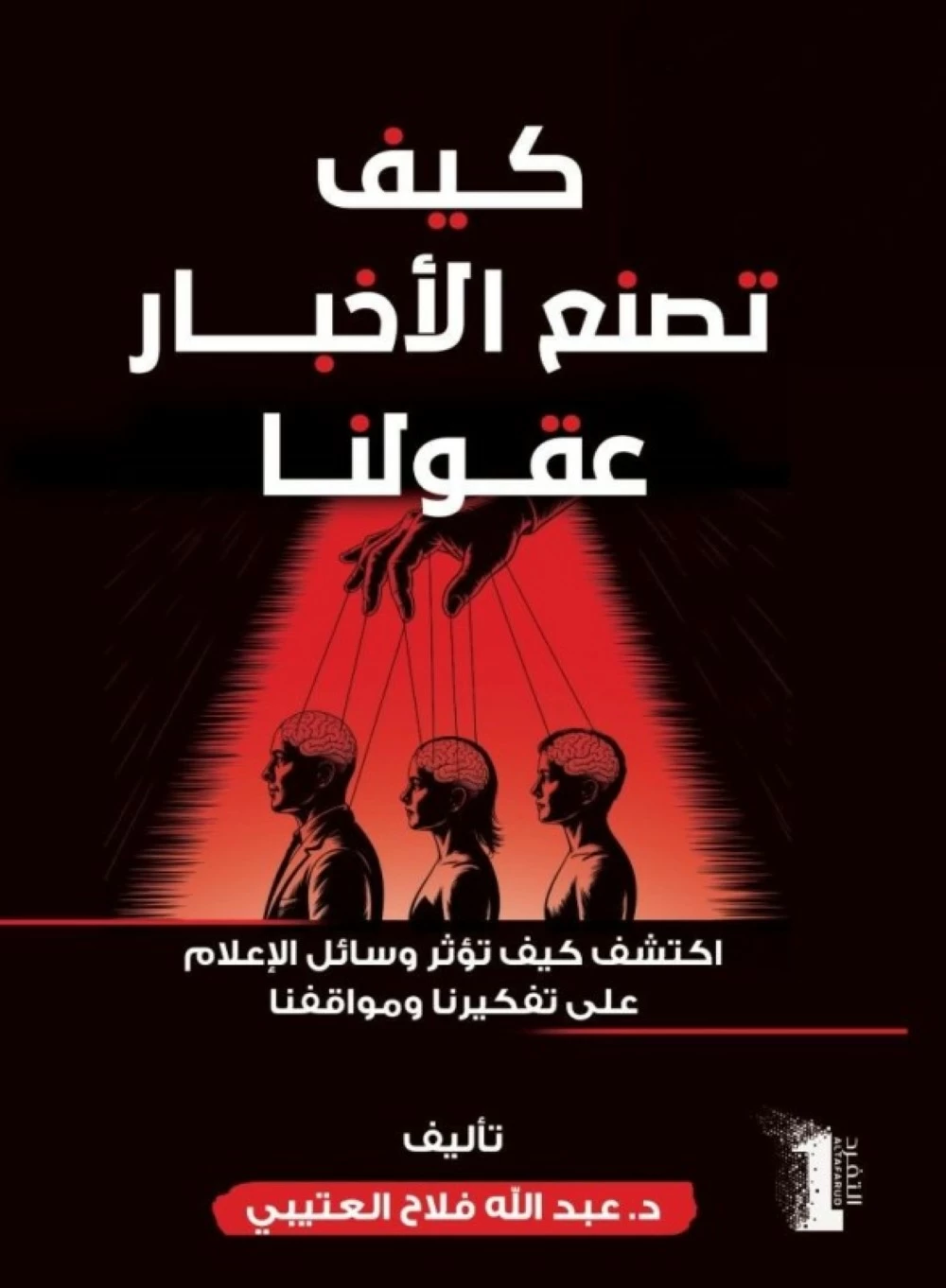
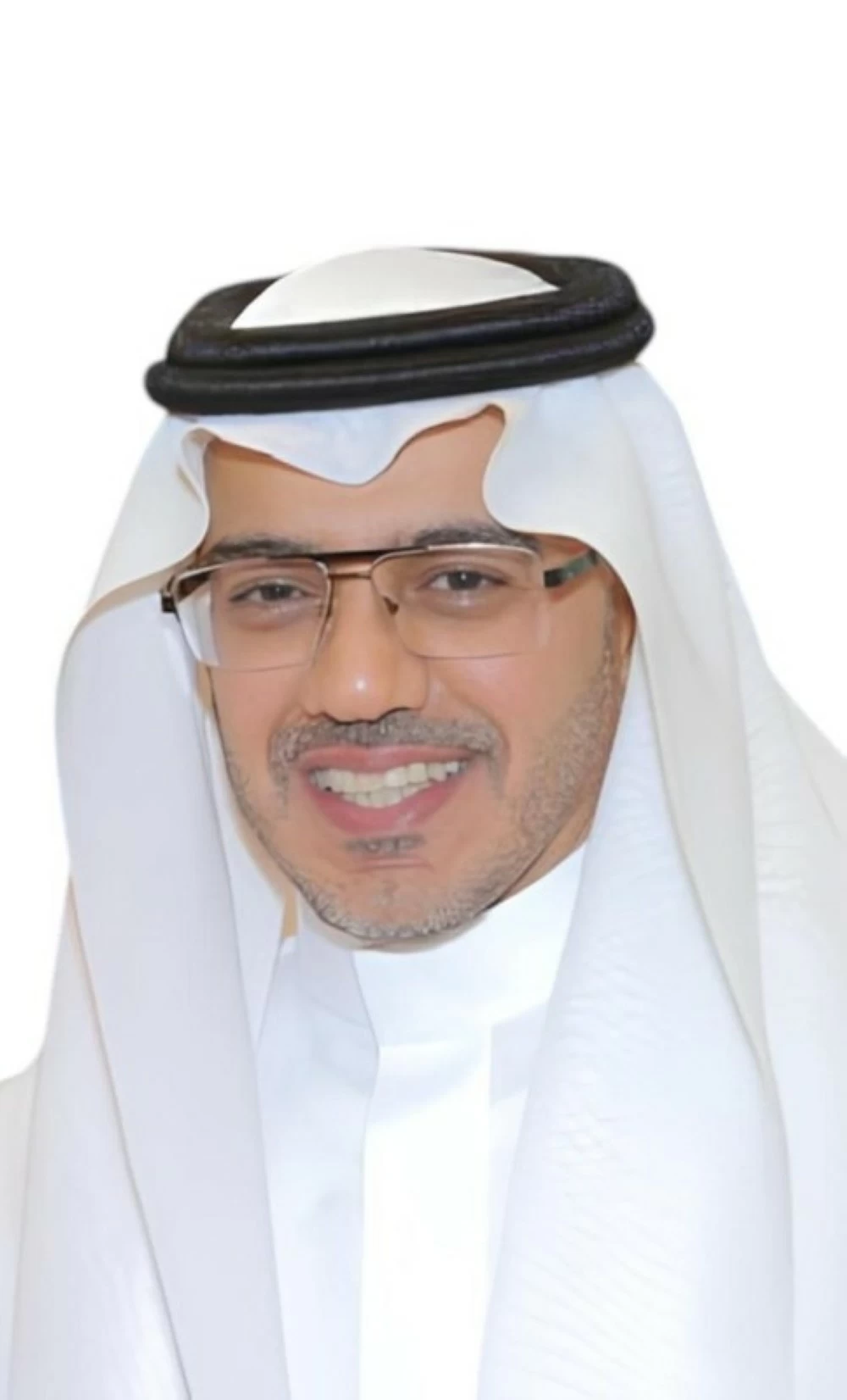
صدر حديثاً عن التفرد لخدمات التصميم ونشر المطبوعات، في دبي، كتاب جديد بعنوان «كيف تصنع الأخبار عقولنا» من تأليف الدكتور عبدالله فلاح العتيبي، الأكاديمي والباحث المتخصص في الإعلام والصحافة.
يقع الكتاب في 106 صفحات من القطع المتوسط، وهو ثمرة تجربة أكاديمية عميقة امتدت إلى رسالة الدكتوراه التي ناقش فيها المؤلف تأثير الأطر الخبرية في الصحافة الفرنسية على تناول القضايا المتعلقة بالمملكة العربية السعودية في ضوء رؤية 2030، لكنه يقدّم للقارئ هذا العمل بلغة مبسطة بعيدة عن المنهج الأكاديمي، ليصبح موجّهاً للجمهور العام، من الصحفيين والطلاب وصنّاع القرار، وحتى القراء العاديين.
يأخذ المؤلف القارئ في رحلة لكشف أسرار صناعة الأخبار وكيفية تشكيلها لعقولنا، بدءاً من مفهوم الإطار الخبري، وكيف يمكن أن يحوّل الحدث العابر إلى قضية رأي عام، مروراً بخطورة غياب السياق، وما يسببه من تضليل، وصولاً إلى الأساليب الإعلامية الحديثة مثل التركيز الانتقائي، التكرار، اللعب على الصور والموسيقى، وتغليف الأخبار بالأرقام دون توضيح.
ويؤكد العتيبي أن الخطر اليوم لم يعد في غياب المعلومات، بل في طريقة عرضها، داعياً القراء إلى بناء وعي نقدي يحميهم من التضليل، وإلى التعامل مع الأخبار بطرح الأسئلة الصحيحة: من صنع الخبر؟ ولماذا؟ وماذا تم إخفاؤه أو تهميشه؟
في إهدائه يكتب المؤلف: «إلى أولئك الذين اختاروا أن يفكّروا، إلى كل من آمن أن الوعي مسؤولية، وأن تحرير الفكر هو بداية الطريق نحو الحقيقة. أهدي هذا الكتاب.. ليكون أداة، لا وصاية. سؤالاً، لا إجابة. ودعوة للفهم لا التلقين».
يأتي هذا الكتاب في وقت تتزايد فيه تحديات الإعلام الرقمي ومنصات التواصل الاجتماعي، إذ تتداخل الحقائق مع الأخبار الزائفة، ويصبح الوعي الإعلامي مهارة أساسية لا غنى عنها. ويطرح الكتاب أدوات عملية لفهم كيف تُبنى القناعات والصور الذهنية عن القضايا والأحداث، سواء في السياسة أو الاقتصاد أو الحياة اليومية.
A new book titled "How News Shapes Our Minds" has recently been published by Al-Tafreed for Design and Print Services in Dubai, authored by Dr. Abdullah Falah Al-Otaibi, an academic and researcher specializing in media and journalism.
The book spans 106 pages of medium size and is the result of a deep academic experience that extended to the author's doctoral thesis, in which he discussed the impact of news framing in French journalism on the coverage of issues related to the Kingdom of Saudi Arabia in light of Vision 2030. However, he presents this work to the reader in simplified language, far from academic methodology, making it accessible to the general public, including journalists, students, decision-makers, and even ordinary readers.
The author takes the reader on a journey to uncover the secrets of news production and how it shapes our minds, starting from the concept of news framing and how it can transform a fleeting event into a public opinion issue, passing through the dangers of lacking context and the resulting misinformation, and reaching modern media techniques such as selective focus, repetition, playing with images and music, and packaging news with numbers without clarification.
Al-Otaibi emphasizes that the danger today is no longer the absence of information, but rather the way it is presented, urging readers to build a critical awareness that protects them from misinformation, and to engage with news by asking the right questions: Who created the news? Why? What has been hidden or marginalized?
In his dedication, the author writes: "To those who chose to think, to everyone who believes that awareness is a responsibility, and that liberating thought is the beginning of the path to truth. I dedicate this book... to be a tool, not a guardianship. A question, not an answer. An invitation to understanding, not rote learning."
This book comes at a time when challenges in digital media and social media platforms are increasing, as facts intertwine with fake news, making media literacy an essential skill. The book presents practical tools for understanding how convictions and mental images about issues and events are constructed, whether in politics, economics, or daily life.