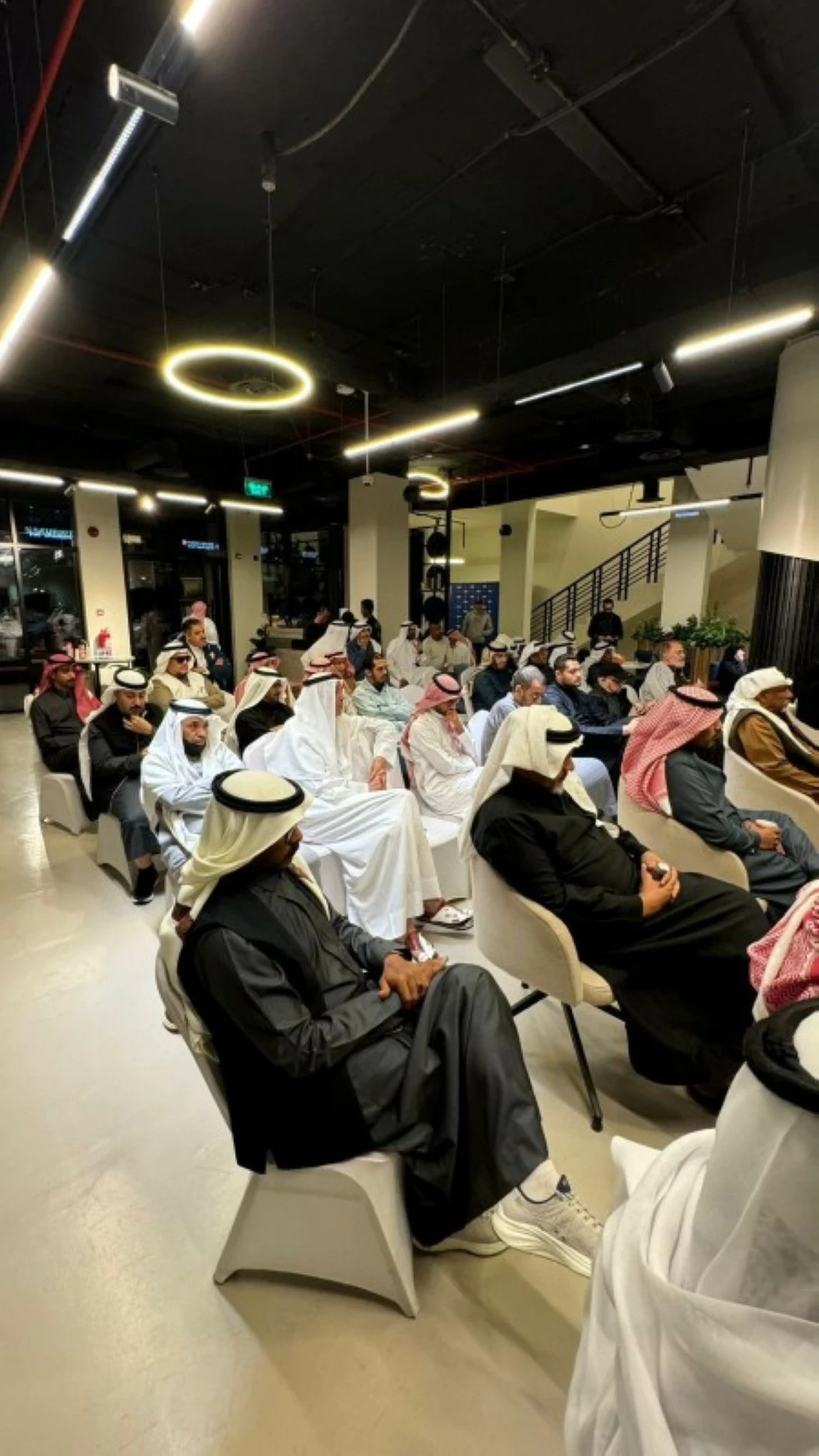
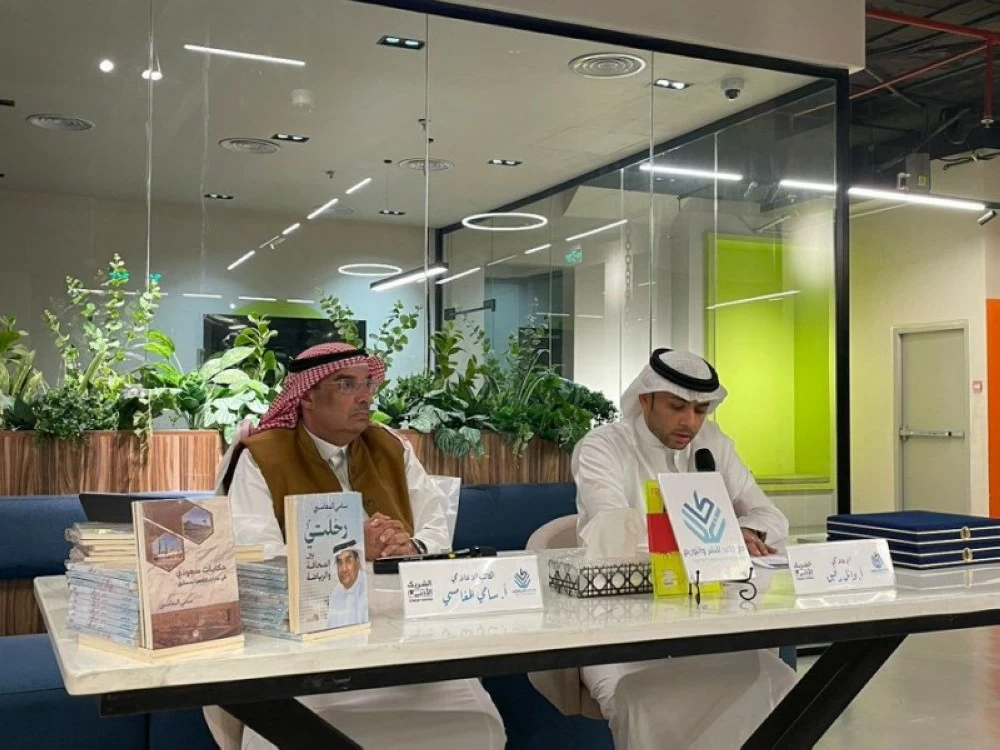
استنطق الزميل سامي المغامسي، حارات المدينة المنورة، وقارنها في أمسية الشريك الأدبي «كاغد» بحارات القاهرة والشام، إذ تناول أبو أحمد في ورقته التي قدّمها «الحارة في الذاكرة المدينية.. حارة الأحامدة نموذجاً».
وبدأ بتفكيك مفهوم «الحارة» بوصفها كياناً يتجاوز الجدران الصامتة، إذ عرّفها بنظام سكني واجتماعي يقوم على تقارب الأسر وعمق العلاقات الإنسانية. وسلط الضوء على الخصائص العمرانية الفريدة للحارات التقليدية بالمدينة المنورة، مستعرضاً أنماط البناء التي عززت قيم التكافل والتآلف بين السكان قديماً، واتخذ من «حارة الأحامدة» نموذجاً تطبيقياً، باستعراضه تاريخها العريق، وموقعها الإستراتيجي بالنسبة للمسجد النبوي الشريف. وتطلّع المغامسي لتوثيق الحارات (الشفهي، والمكتوب، والمصور) خصوصاً في ظل التحولات العمرانية المتسارعة التي تشهدها المنطقة، داعياً إلى غرس قيم الانتماء للمكان في نفوس الأجيال الجديدة.
وكشف المغامسي عن جانب من جربته الشخصية عبر محور «سعودي في حارات القاهرة ودمشق». وزياراته مواقع تاريخية منها خان الخليلي والجامع الأموي، موضحاً كيف تتقاطع أصالة العمارة المملوكية والفاطمية والأموية مع الروح العربية الواحدة.
وأشار إلى أن الاحتكاك المباشر بالمكان بدد الكثير من التصورات الذهنية المسبقة، ليحل محلها إدراك أعمق لوحدة الجذور الثقافية، مؤكداً على أن «الحارة» ذاكرة حية لا تُقرأ من بعيد، بل تُعاش بالانفتاح على الإنسان والمكان. وفي ختام الفعالية كرمت دار «كاغد» ضيف الأمسية، ومُقدّمها الإعلامي وائل رفيق.
Colleague Sami Al-Mughamisi explored the neighborhoods of Medina and compared them during the literary partner evening "Kaghad" with the neighborhoods of Cairo and Sham, as Abu Ahmad discussed in his paper titled "The Neighborhood in Urban Memory.. The Al-Ahamda Neighborhood as a Model."
He began by deconstructing the concept of "neighborhood" as an entity that transcends silent walls, defining it as a residential and social system based on the proximity of families and the depth of human relationships. He highlighted the unique architectural characteristics of traditional neighborhoods in Medina, reviewing the building styles that historically enhanced values of solidarity and harmony among residents, using the "Al-Ahamda Neighborhood" as a practical example by showcasing its rich history and its strategic location relative to the Prophet's Mosque. Al-Mughamisi expressed his desire to document neighborhoods (orally, in writing, and through photography), especially in light of the rapid urban transformations the region is experiencing, calling for instilling values of belonging to the place in the hearts of new generations.
Al-Mughamisi revealed a part of his personal experience through the theme "A Saudi in the Neighborhoods of Cairo and Damascus." He visited historical sites including Khan Al-Khalili and the Umayyad Mosque, explaining how the authenticity of Mamluk, Fatimid, and Umayyad architecture intersects with the unified Arab spirit.
He noted that direct interaction with the place dispelled many preconceived mental notions, replacing them with a deeper understanding of the unity of cultural roots, emphasizing that "the neighborhood" is a living memory that cannot be read from afar but must be experienced through openness to people and places. At the end of the event, Dar "Kaghad" honored the guest of the evening and the presenter, media figure Wael Rafiq.