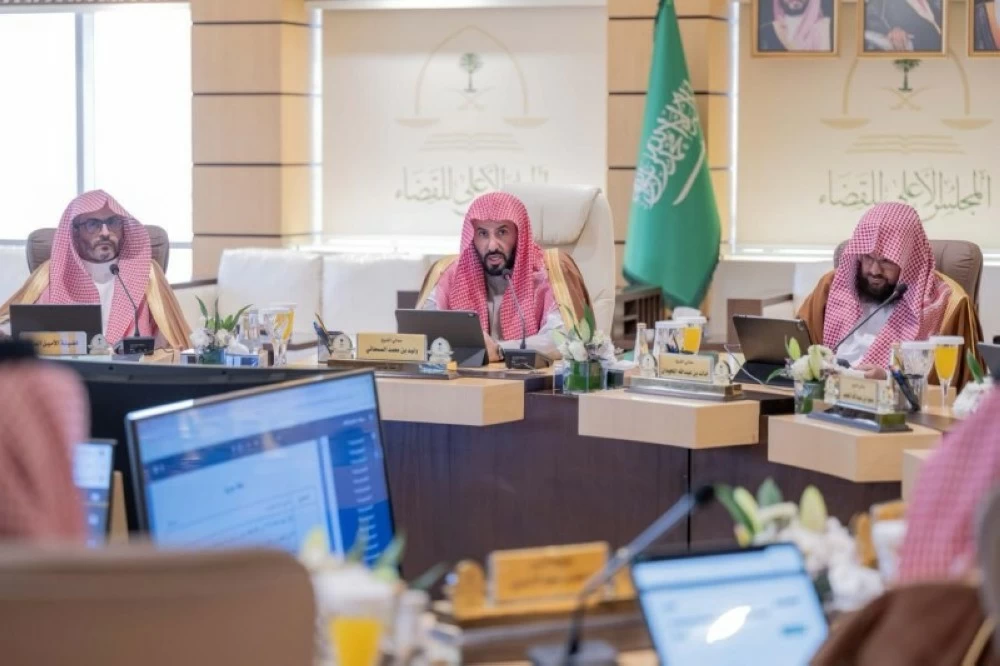
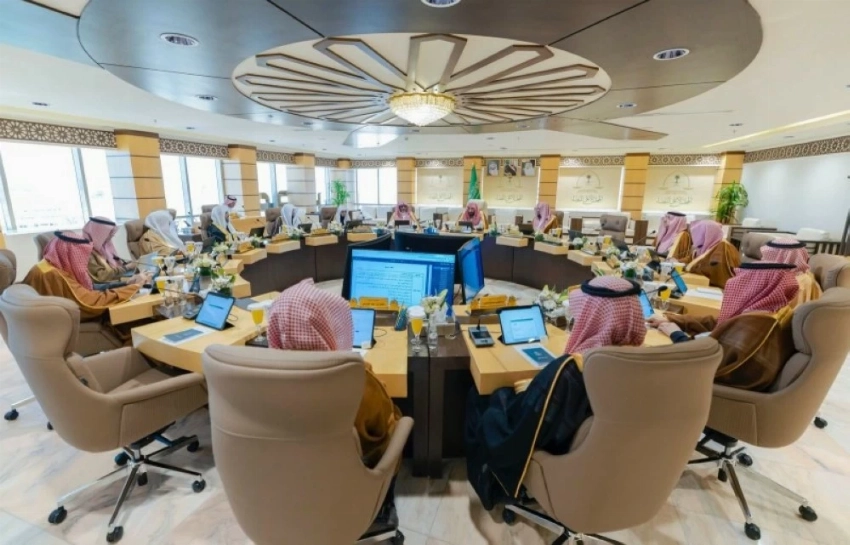
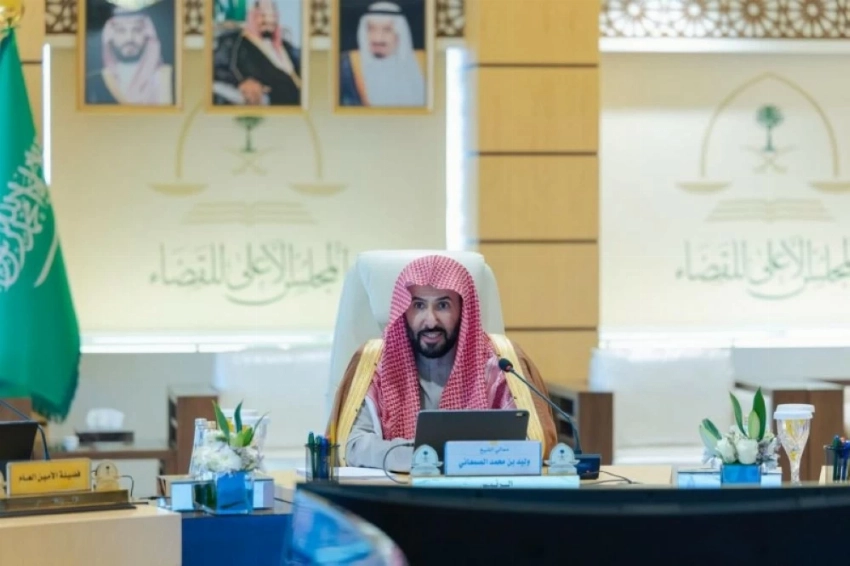
عقد المجلس الأعلى للقضاء اجتماعاً في مقر المجلس، برئاسة رئيس المجلس الأعلى للقضاء المكلف الدكتور وليد الصمعاني، وبحضور أعضاء المجلس.
المجلس اعتمد قواعدا لتوزيع قضايا وطلبات التركات على دوائر متخصصة في محكمتي الأحوال الشخصية والاستئناف في مدينة الرياض.
وفي مستهل الاجتماع، رفع الدكتور الصمعاني الشكر والتقدير لخادم الحرمين الشريفين الملك سلمان بن عبدالعزيز، وولي العهد رئيس مجلس الوزراء على ما يحظى به المرفق العدلي من دعمٍ كريم ومتابعة مستمرة، ثم رحّب بالأعضاء. وأكد أهمية المرحلة القادمة في تعزيز كفاءة العمل القضائي وجودة المخرجات.
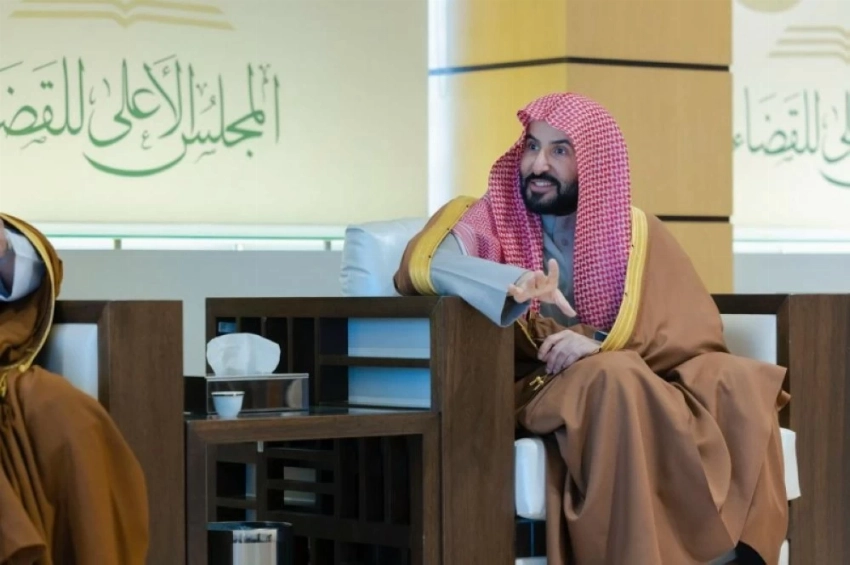
رئيس المجلس الأعلى للقضاء المكلف الدكتور وليد الصمعاني
اعتماد قواعد توزيع القضايا
وناقش المجلس عدداً من الموضوعات المدرجة على جدول أعماله، إذ وافق على تنظيم النظر في قضايا التحكيم من خلال تخصيص دوائر قضائية متخصصة، إلى جانب اعتماد قواعد لتوزيع قضايا وطلبات التركات على دوائر متخصصة في محكمتي الأحوال الشخصية والاستئناف في مدينة الرياض؛ بما يعزز توحيد الإجراءات، ويدعم كفاءة الفصل القضائي.
المجلس استعرض عدداً من الموضوعات المتصلة بالعمل القضائي.
واستعرض المجلس عدداً من الموضوعات المتصلة بالعمل القضائي، واتخذ بشأنها القرارات اللازمة، وذلك في إطار اختصاصه بالإشراف على المحاكم والقضاة وأعمالهم.
يذكر أن أدوار المجلس الأعلى للقضاء واختصاصاته تتمثل بالنظر في شؤون القضاة الوظيفية، من تعيين وترقية وتأديب وندب وإعارة وتدريب ونقل وإجازة وإنهاء خدمة وغير ذلك، وفقاً للقواعد والإجراءات المقررة، وذلك بما يضمن استقلال القضاة، وإصدار لائحة للتفتيش القضائي، وإنشاء محاكم وفق الأسماء المنصوص عليها في النظام، أو دمجها أو إلغائها، وتحديد اختصاصها المكاني والنوعي بما لا يتعارض مع أحكام النظام، وتأليف الدوائر فيها، والإشراف على المحاكم والقضاة وأعمالهم في الحدود المبينة في النظام، وتسمية رؤساء محاكم الاستئناف ومساعديهم من بين قضاة محاكم الاستئناف، ورؤساء محاكم الدرجة الأولى ومساعديهم، وإصدار قواعد تنظم اختصاصات وصلاحيات رؤساء المحاكم ومساعديهم، وقواعد تبين طريقة اختيار القضاة، وإجراءات وضوابط تفريغهم للدراسة، إضافة إلى تنظيم أعمال الملازمين القضائيين وتحديد الأعمال القضائية النظيرة المطلوبة لشغل الدرجات القضائية.
وتضم عضوية المجلس في تشكيله كلاً من رئيس المحكمة العليا، والنائب العام، ونائب وزير العدل، إلى جانب عدد من الأعضاء.
The Supreme Judicial Council held a meeting at the council's headquarters, chaired by the acting president of the Supreme Judicial Council, Dr. Walid Al-Samaani, with the attendance of council members.
المجلس اعتمد قواعدا لتوزيع قضايا وطلبات التركات على دوائر متخصصة في محكمتي الأحوال الشخصية والاستئناف في مدينة الرياض.
At the beginning of the meeting, Dr. Al-Samaani expressed his gratitude and appreciation to the Custodian of the Two Holy Mosques, King Salman bin Abdulaziz, and the Crown Prince, Prime Minister, for the generous support and continuous follow-up that the judicial facility receives. He then welcomed the members and emphasized the importance of the upcoming phase in enhancing the efficiency of judicial work and the quality of outcomes.
رئيس المجلس الأعلى للقضاء المكلف الدكتور وليد الصمعاني
Approval of Rules for Case Distribution
The council discussed several topics on its agenda, approving the organization of arbitration cases by allocating specialized judicial circuits, in addition to adopting rules for distributing inheritance cases and requests to specialized circuits in the Personal Status and Appeals Courts in Riyadh; this aims to enhance the unification of procedures and support the efficiency of judicial resolution.
المجلس استعرض عدداً من الموضوعات المتصلة بالعمل القضائي.
The council reviewed several topics related to judicial work and made the necessary decisions regarding them, within the framework of its authority to supervise the courts, judges, and their work.
It is noteworthy that the roles and responsibilities of the Supreme Judicial Council include overseeing the functional affairs of judges, such as appointment, promotion, discipline, secondment, lending, training, transfer, leave, termination of service, and others, according to the established rules and procedures, ensuring the independence of judges, issuing a regulation for judicial inspection, establishing courts as stipulated in the law, merging or abolishing them, and determining their spatial and qualitative jurisdiction in a manner that does not conflict with the provisions of the law, forming circuits within them, and supervising the courts and judges and their work within the limits specified in the law, naming the heads of the appellate courts and their assistants from among the judges of the appellate courts, and the heads of first-instance courts and their assistants, issuing rules that regulate the jurisdictions and powers of the heads of courts and their assistants, and rules that clarify the method of selecting judges, and procedures and regulations for their study leave, in addition to organizing the work of judicial assistants and specifying the analogous judicial tasks required to occupy judicial positions.
The council's membership includes the President of the Supreme Court, the Attorney General, the Deputy Minister of Justice, along with several other members.