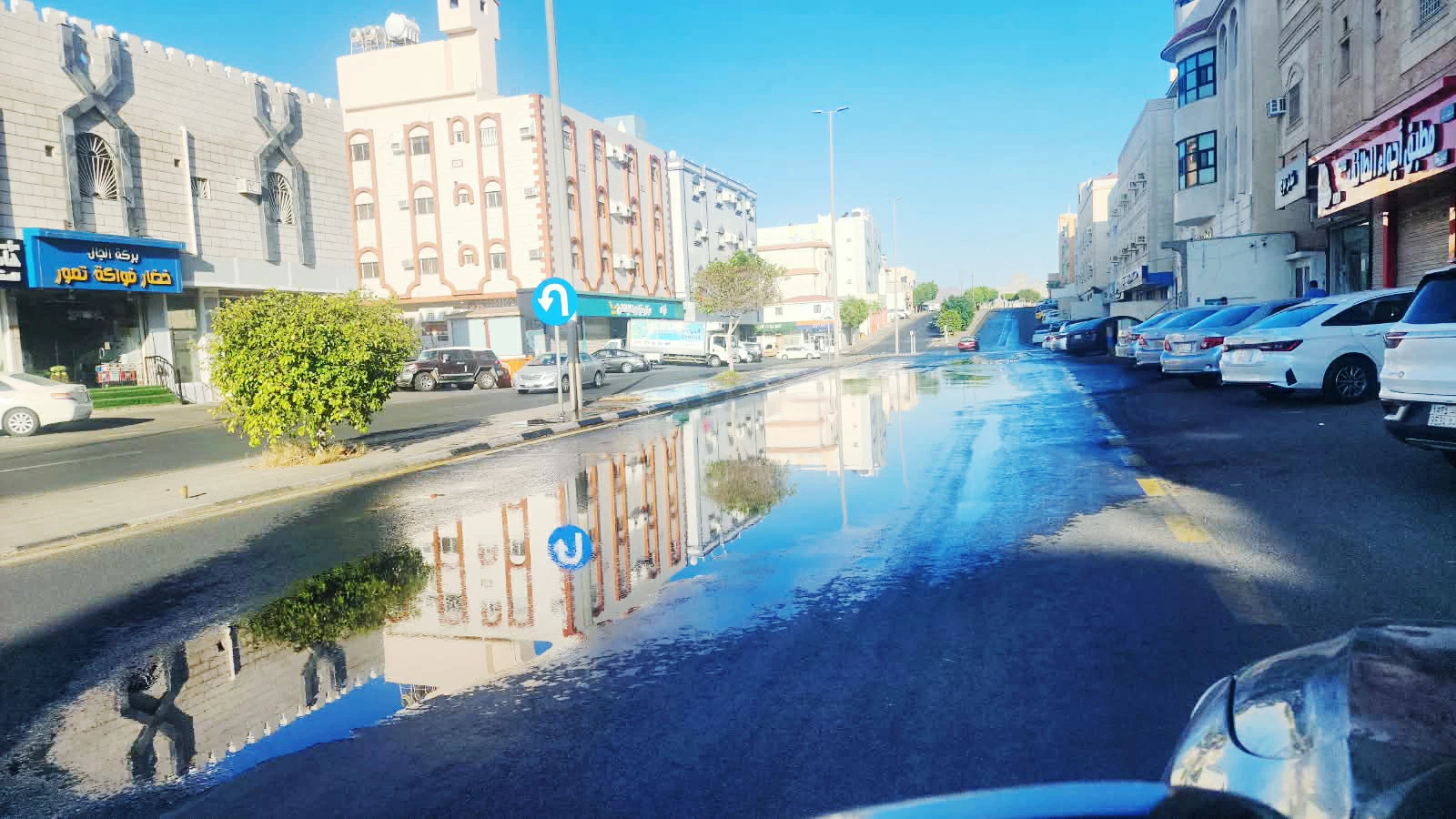
تشهد بعض شوارع الطائف، تسربات للمياه متسببة في إغراق الطرق وإتلاف طبقات الأسفلت والإضرار بالبنية التحتية، وسط مطالبات من السكان بمحاسبة الجهة المسؤولة، وتكثيف الرقابة على أعمال الصيانة والحفريات، ووضع حد لهدر كميات كبيرة من المياه. وتأتي هذه المعاناة في الوقت الذي حذرت فيه الهيئة السعودية للمياه، من أن تدفق المياه خارج حدود المبنى يُعدّ تعدياً على النظام، مؤكدة أهمية تفحّص شبكات المياه وإصلاح التسربات لتجنب الغرامات والعقوبات.
وأكد عدد من السكان، أن التسربات أدت إلى تجمع المياه وتضرر البنية التحتية وهبوط أجزاء من الطرق، مطالبين بتكثيف الرقابة على المواقع المتضررة، ووضع حد لما وصفوه بالنزيف المستمر للمياه وتلف الشوارع. وتساءل مرتادو الطرق في أحياء أم السباع والعنود والوشحاء، إضافة إلى طريق شهار، عن دور الجهات ذات العلاقة في مراقبة الطرق المتضررة ومتابعة ما تتعرض له من تلفيات نتيجة انكسارات خطوط المياه والتسربات، التي تمتد في بعض المواقع لمسافات طويلة، دون معالجة تنهي المشكلة من جذورها.
وقال محمد الحارثي، أحد سكان حي الوشحاء، إن تسرب المياه الناجم عن كسور في خطوط الشبكة وحفريات سابقة تسبب في إتلاف الطبقة الأسفلتية على امتداد عشرات الأمتار، وتكوّن تجمعات مائية أدت إلى هبوط الشارع في الموقع نفسه، مستغرباً استمرار هذه الأضرار المتكررة دون محاسبة الشركة أو وضع حلول جذرية تمنع تكرارها. من جانبه، أشار سعد العتيبي، إلى أن تجدد تسربات المياه باتت تشكل معاناة للسكان، موضحاً أن الأهالي رصدوا موقعاً عند مدخل الحي شهد حفريات أكثر من مرة وفي أوقات متقاربة، ما أثار تساؤلاتهم عن أسباب تكرار الأعمال في الموقع ذاته، واستمرار تضرر الحي دون معالجة نهائية.
وطالب السكان الجهات المعنية بمتابعة أعمال الحفر والصيانة، والتحقق من أسباب تكرارها، وإلزامهم بمعالجة التسربات وإعادة تأهيل الطرق المتضررة، بما يضمن حماية البنية التحتية والحد من هدر المياه، بدلاً من استمرار الحفر والتكسير وعودة الأضرار إلى المواقع نفسها.
Some streets in Taif are witnessing water leaks that are causing flooding on the roads, damaging the asphalt layers, and harming the infrastructure. Residents are demanding accountability from the responsible authorities, increased oversight on maintenance and excavation work, and an end to the waste of large quantities of water. This suffering comes at a time when the Saudi Water Authority has warned that the flow of water outside the building's boundaries is considered a violation of the regulations, emphasizing the importance of inspecting water networks and repairing leaks to avoid fines and penalties.
A number of residents confirmed that the leaks have led to water accumulation, infrastructure damage, and the sinking of parts of the roads. They are calling for intensified monitoring of the affected sites and an end to what they describe as the continuous loss of water and the deterioration of the streets. Road users in the neighborhoods of Um Al-Saba, Al-Anoud, and Al-Washha, in addition to Shahhar Road, have questioned the role of the relevant authorities in monitoring the damaged roads and following up on the damages caused by water line breaks and leaks, which extend in some areas for long distances without a solution that addresses the problem at its roots.
Mohammed Al-Harithi, a resident of Al-Washha neighborhood, stated that the water leak resulting from breaks in the network lines and previous excavations has damaged the asphalt layer over dozens of meters, creating water pools that have caused the street to sink in the same location. He expressed surprise at the continuation of these recurring damages without holding the company accountable or implementing radical solutions to prevent their recurrence. For his part, Saad Al-Otaibi pointed out that the renewed water leaks have become a source of suffering for the residents, explaining that the locals have observed a site at the entrance of the neighborhood that has undergone excavations multiple times in close intervals, raising their questions about the reasons for the repeated work at the same site and the ongoing damage to the neighborhood without a final resolution.
The residents are urging the relevant authorities to monitor excavation and maintenance work, investigate the reasons for its recurrence, and compel them to address the leaks and rehabilitate the damaged roads, ensuring the protection of infrastructure and reducing water waste, instead of continuing the digging and breaking and allowing damages to return to the same locations.