


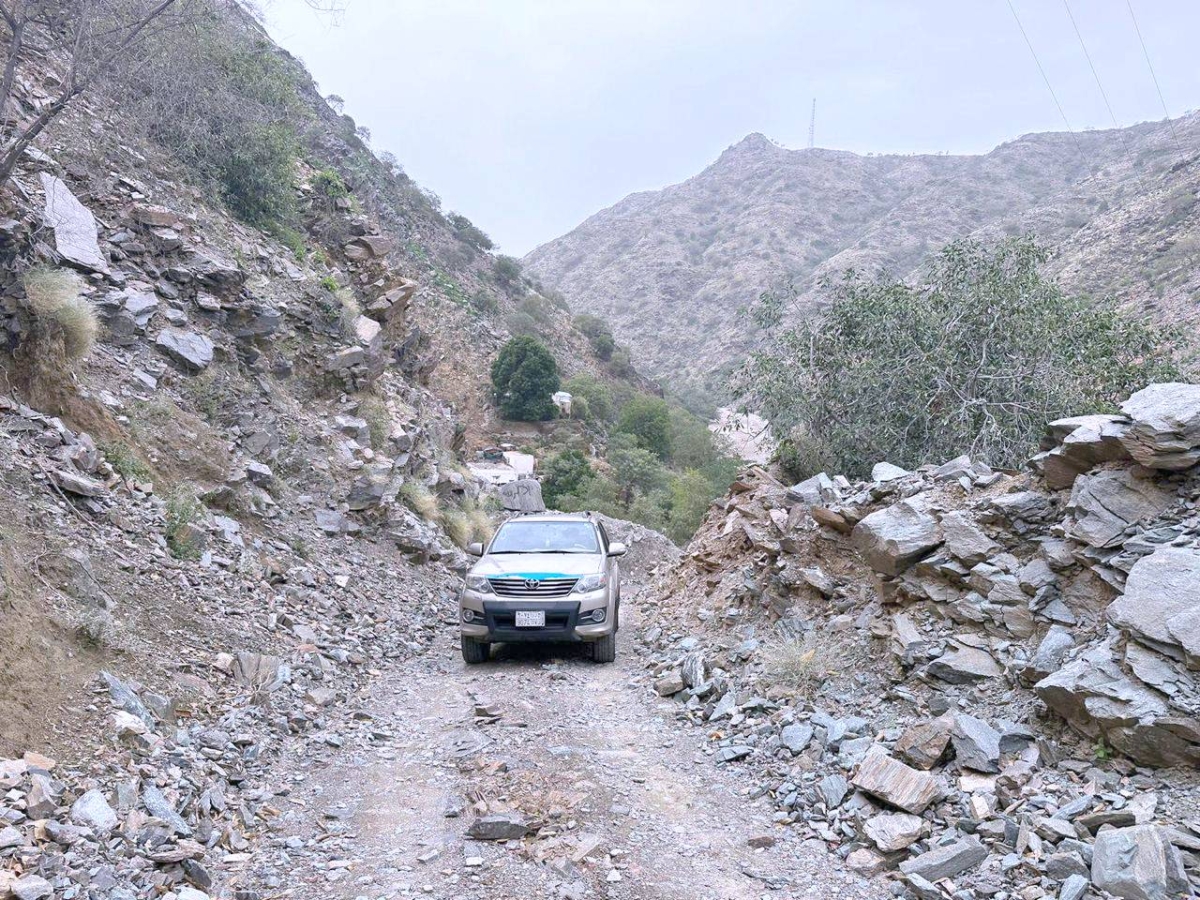
يعاني سكان جبال مركز حجن بني مشيخ في محافظة هروب بمنطقة جازان (جنوبي المملكة)، من ضعف الخدمات الأساسية التي يأتي من أهمها وعورة الطرق التي تسببت في تأخير دخول الكثير من الخدمات بالمركز.
«عكاظ» جالت بالمركز والتقت العديد من سكانه، والبداية كانت مع قاسم مشيخي؛ الذي سرد معاناتهم قائلا: «مركز حجن من الطرق التي لم تصلها مشاريع السفلتة، وبنبرة حزن قال: لا تعلمون حجم المعاناة التي يعيشها السكان وخصوصاً طلاب وطالبات المدارس والمعلمين والمعلمات، حيث تشهد الطرق انهيارات صخرية مستمرة وتساقط الصخور، خصوصاً في موسم الأمطار، بالإضافة إلى جريان السيول من الشعاب والأودية التي تعيق وصول السكان إلى منازلهم والطلاب إلى مدارسهم». وطالب سعيد مشيخي بإيجاد مشاريع لتلك الطرق الوعرة وتخفيف معاناتهم، موضحاً أن هناك عدة مطالبات قديمة وحديثة لدى وزارة النقل لكن دون جدوى.
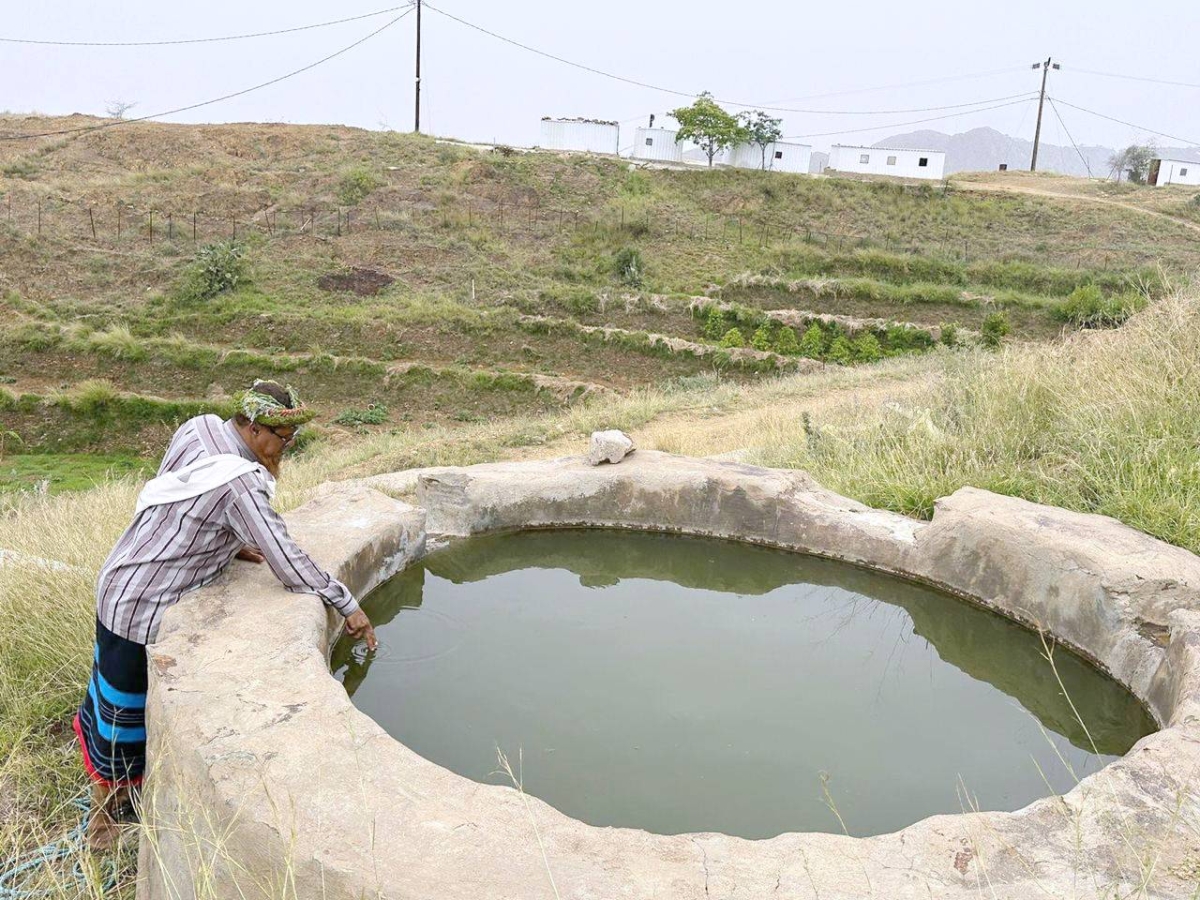
وأضاف: «إن العديد من الحوادث المميتة قد تعرض لها بعض السكان وراح ضحيتها العشرات بسبب وعورة الطرق والسيول الجارفة»، موضحاً أن الطريق المؤدي إلى قرى مركز حجن يقع وسط الوادي، وليس هناك طرق بديلة، وفي حال جريان السيول فإن الحركة تشل بالكامل. ويقول حسن مفرح، أحد سكان جبال مركز حجن: «»فرق الصيانة التي خصصت لصيانة الطرق دورياً لا تأتي إلا بعد عدة مطالبات وأحياناً تتأخر شهراً وشهرين بأعذار (عطل المعدات أو لا يوجد سائق) وعندما تأتي لا نستفيد منها، حتى أننا نضطر لإصلاح الطرق على حسابنا الخاص حتى لا تتعطل مصالحنا، وسبق أن طالبنا من الجهات الرقابية متابعة عمل تلك المعدات وتقييم عملها حتى يكون على الوجه المطلوب. ويضيف: «لا يزال أهالي جبال حجن بني مشيخ يشربون من البرك المائية التي تتجمع من مياه الأمطار والسيول نظراً لعدم توفر مياه صالحة للشرب في تلك الجبال، رغم أن الدولة خصصت لنا وايتات سقيا، لكن تتأخر عن الوصول، وأحياناً تعيقها الطرق والسيول فنضطر إلى جلب الماء من البرك المائية الموجودة في القرى». وطالب حسين مشيخي بإيجاد مشاريع للمياه حتى ينعموا بالمياه الصالحة للشرب. ويضيف: «مركز حجن بني مشيخ يحتاج إلى وقفة من جميع الإدارات التي تقدم الخدمات وبالذات خدمات البلدية متى دخلت المركز، كل شيء يصبح بعدها سهلاً فنحن نحتاج الأرصفة والسفلتة والإنارة والملاعب لأبنائنا وإصلاح الطرق دائماً وباستمرار». ويشير المزارع جابر مشيخي إلى معاناته ومعاناة غيره من المزارعين قائلاً: «استبشرنا خيراً بدخول مشروع أطلق عليه (مشروع تنفيذ وتجهيز مزارع بديلة نموذجية) بإشراف وزارة البيئة والمياه والزراعة، وبعض المزارع عملت فيها خزانات، لكنها بقيت فارغة دون ماء، وهذا يجعلنا نطالب وزارة الزراعة باستكمال مشروعها الذي يدعم المزارعين».
سكانها اشتكوا لـ«عكاظ» من ضعف الخدمات وانقطاع الطرق
جبال حجن بني مشيخ تنتظر وقفة الإدارات
7 سبتمبر 2025 - 00:49
|
آخر تحديث 7 سبتمبر 2025 - 00:49


تابع قناة عكاظ على الواتساب
عبده علواني (جازان) alwani20088@
Residents of the mountains of the Hajn Bani Mashikh center in the Haroub governorate of the Jazan region (southern Saudi Arabia) suffer from weak basic services, the most significant of which is the roughness of the roads that has delayed the entry of many services to the center.
“Okaz” toured the center and met many of its residents, starting with Qasim Mashikhi, who recounted their struggles, saying: “The Hajn center is one of the roads that has not received paving projects. With a tone of sadness, he said: You cannot imagine the extent of the suffering that the residents endure, especially the school students and teachers, as the roads witness continuous rock collapses and falling rocks, especially during the rainy season, in addition to the flow of torrents from the valleys and streams that hinder residents from reaching their homes and students from getting to their schools.” Said Mashikhi called for the establishment of projects for those rough roads to alleviate their suffering, explaining that there have been several old and recent requests to the Ministry of Transport, but to no avail.
He added: “Many fatal accidents have occurred to some residents, resulting in dozens of casualties due to the roughness of the roads and the raging torrents,” explaining that the road leading to the villages of the Hajn center is located in the middle of the valley, and there are no alternative routes. In the event of torrents, movement is completely paralyzed. Hassan Mufrah, one of the residents of the Hajn mountains, says: “The maintenance teams assigned to periodically maintain the roads only come after several requests, and sometimes they are delayed for a month or two with excuses (equipment malfunction or no driver), and when they do come, we do not benefit from them, to the extent that we are forced to repair the roads at our own expense so that our interests do not get disrupted. We have previously requested that the supervisory authorities monitor the work of that equipment and evaluate its performance to ensure it meets the required standards.” He adds: “The people of the Hajn Bani Mashikh mountains still drink from the water pools that collect rainwater and torrents due to the lack of potable water in those mountains, even though the state has allocated water tankers for us, but they are delayed in arriving, and sometimes the roads and torrents hinder them, forcing us to fetch water from the water pools in the villages.” Hussein Mashikhi called for the establishment of water projects so that they can enjoy potable water. He adds: “The Hajn Bani Mashikh center needs support from all departments that provide services, especially municipal services. Once they enter the center, everything becomes easier; we need sidewalks, paving, lighting, playgrounds for our children, and continuous road repairs.” Farmer Jaber Mashikhi points to his suffering and that of other farmers, saying: “We were optimistic about the entry of a project called (Implementation and Preparation of Alternative Model Farms) under the supervision of the Ministry of Environment, Water, and Agriculture, and some farms have built tanks, but they remain empty without water, which makes us demand that the Ministry of Agriculture complete its project that supports farmers.”
“Okaz” toured the center and met many of its residents, starting with Qasim Mashikhi, who recounted their struggles, saying: “The Hajn center is one of the roads that has not received paving projects. With a tone of sadness, he said: You cannot imagine the extent of the suffering that the residents endure, especially the school students and teachers, as the roads witness continuous rock collapses and falling rocks, especially during the rainy season, in addition to the flow of torrents from the valleys and streams that hinder residents from reaching their homes and students from getting to their schools.” Said Mashikhi called for the establishment of projects for those rough roads to alleviate their suffering, explaining that there have been several old and recent requests to the Ministry of Transport, but to no avail.
He added: “Many fatal accidents have occurred to some residents, resulting in dozens of casualties due to the roughness of the roads and the raging torrents,” explaining that the road leading to the villages of the Hajn center is located in the middle of the valley, and there are no alternative routes. In the event of torrents, movement is completely paralyzed. Hassan Mufrah, one of the residents of the Hajn mountains, says: “The maintenance teams assigned to periodically maintain the roads only come after several requests, and sometimes they are delayed for a month or two with excuses (equipment malfunction or no driver), and when they do come, we do not benefit from them, to the extent that we are forced to repair the roads at our own expense so that our interests do not get disrupted. We have previously requested that the supervisory authorities monitor the work of that equipment and evaluate its performance to ensure it meets the required standards.” He adds: “The people of the Hajn Bani Mashikh mountains still drink from the water pools that collect rainwater and torrents due to the lack of potable water in those mountains, even though the state has allocated water tankers for us, but they are delayed in arriving, and sometimes the roads and torrents hinder them, forcing us to fetch water from the water pools in the villages.” Hussein Mashikhi called for the establishment of water projects so that they can enjoy potable water. He adds: “The Hajn Bani Mashikh center needs support from all departments that provide services, especially municipal services. Once they enter the center, everything becomes easier; we need sidewalks, paving, lighting, playgrounds for our children, and continuous road repairs.” Farmer Jaber Mashikhi points to his suffering and that of other farmers, saying: “We were optimistic about the entry of a project called (Implementation and Preparation of Alternative Model Farms) under the supervision of the Ministry of Environment, Water, and Agriculture, and some farms have built tanks, but they remain empty without water, which makes us demand that the Ministry of Agriculture complete its project that supports farmers.”


