يعيش الإعلام اليوم واحدة من أعقد مراحله وأكثرها اضطراباً. العالم يتغير بسرعة مذهلة، ومعه تتبدل الأدوات والمنصات، وتتبدل كذلك علاقة الجمهور بالمعلومة. لم يعد المتلقي ينتظر الصحيفة صباحاً، أو نشرة الأخبار مساءً، بل أصبح يصنع تجربته الإعلامية لحظة بلحظة، عبر هاتفه.
هذا التحول لا يعني بالضرورة نهاية الإعلام، بل هو انتقال من شكل إلى آخر، ومن أدوات تقليدية إلى آليات أكثر مرونة وتنوعاً. لكن التحدي الحقيقي يكمن في سؤال جوهري: كيف نحافظ على جوهر المهنة في ظل هذا الانفجار الرقمي؟ كيف نُبقي على قيمة المحتوى، دون أن ننجرف خلف السطحية والتسرُّع اللذين تفرضهما بعض الوسائط الحديثة؟
هناك نغمة تتكرر كثيراً في نقاشات الإعلاميين: صراع بين الإعلام التقليدي والجديد. والحقيقة أن هذا الصراع مفتعل. المهنة واحدة، والأدوات تتغير. المشكلة ليست في التقنية، بل في غياب الرؤية التحريرية التي تواكب هذا التغيير، وتعرف كيف تكيّف المحتوى الجاد مع لغة الجمهور المعاصر.
المؤسسات الإعلامية التي تدرك أنها ليست مجرد صحيفة أو قناة، بل مصنع ضخم للمحتوى، هي وحدها القادرة على الاستمرار. فالعصر القادم هو عصر «المنصة»، التي تجمع النص، والصوت، والصورة، والجرافيك، والتفاعل في آنٍ واحد. لم يعد منطق الفصل بين الوسائط صالحاً، ولم تعد الصحافة الورقية وحدها تمثل المهنة.
وفي خضم هذا التحول، يجب أن نعيد التفكير في صورة الإعلامي أيضاً. لم يعد ضرورياً أن يكون ذلك «المناضل الأبدي» أو «عدو السلطة». بل أصبح من الواجب أن يكون ناقلاً أميناً للحقيقة، منفتحاً على كل مصادرها، بما فيها السلطة نفسها. تجاهل نصف الحقيقة لا يصنع إعلاماً نزيهاً.
وربما تكمن المأساة الكبرى في غياب القارئ. نحن شعوب لا تقرأ، ولا تُقيّم المعرفة. ولهذا إذا أردنا مستقبلاً مختلفاً، فعلينا أن نبدأ من جذور المجتمع: الطفل. تنمية صحافة الطفل ليست ترفاً، بل استثمار في بقاء المهنة.
الإعلام لن ينتهي، لكنه سيتحول. ومن يفهم هذا التحول، ويستعد له، سيكون من صناع المستقبل، لا من ضحاياه.
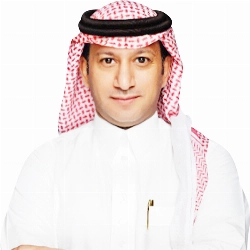
سلطان السعد القحطاني
وما زال في عالم الإعلام والإعلامي.. بقية !
12 يونيو 2025 - 00:08
|
آخر تحديث 12 يونيو 2025 - 00:08


تابع قناة عكاظ على الواتساب
The media today is experiencing one of its most complex and turbulent phases. The world is changing at an astonishing pace, and along with it, the tools and platforms are evolving, as is the relationship between the audience and information. The recipient no longer waits for the newspaper in the morning or the news bulletin in the evening; instead, they create their media experience moment by moment through their phone.
This transformation does not necessarily mean the end of media; rather, it is a transition from one form to another, from traditional tools to more flexible and diverse mechanisms. However, the real challenge lies in a fundamental question: How do we maintain the essence of the profession in light of this digital explosion? How do we preserve the value of content without being swept away by the superficiality and haste imposed by some modern media?
There is a recurring tone in discussions among media professionals: a conflict between traditional and new media. The truth is that this conflict is fabricated. The profession is one, and the tools are changing. The problem is not in the technology, but in the absence of an editorial vision that keeps pace with this change and knows how to adapt serious content to the language of the contemporary audience.
Media institutions that realize they are not just a newspaper or a channel, but a massive content factory, are the only ones capable of enduring. The coming era is the era of the "platform," which combines text, audio, image, graphics, and interaction all at once. The logic of separating media is no longer valid, and print journalism alone no longer represents the profession.
Amid this transformation, we must also rethink the image of the journalist. It is no longer necessary for them to be the "eternal fighter" or the "enemy of authority." Rather, it has become essential for them to be a faithful transmitter of truth, open to all its sources, including authority itself. Ignoring half the truth does not create honest journalism.
Perhaps the greatest tragedy lies in the absence of the reader. We are societies that do not read and do not evaluate knowledge. Therefore, if we want a different future, we must start from the roots of society: the child. Developing children's journalism is not a luxury, but an investment in the survival of the profession.
Media will not end, but it will transform. Those who understand this transformation and prepare for it will be the creators of the future, not its victims.
This transformation does not necessarily mean the end of media; rather, it is a transition from one form to another, from traditional tools to more flexible and diverse mechanisms. However, the real challenge lies in a fundamental question: How do we maintain the essence of the profession in light of this digital explosion? How do we preserve the value of content without being swept away by the superficiality and haste imposed by some modern media?
There is a recurring tone in discussions among media professionals: a conflict between traditional and new media. The truth is that this conflict is fabricated. The profession is one, and the tools are changing. The problem is not in the technology, but in the absence of an editorial vision that keeps pace with this change and knows how to adapt serious content to the language of the contemporary audience.
Media institutions that realize they are not just a newspaper or a channel, but a massive content factory, are the only ones capable of enduring. The coming era is the era of the "platform," which combines text, audio, image, graphics, and interaction all at once. The logic of separating media is no longer valid, and print journalism alone no longer represents the profession.
Amid this transformation, we must also rethink the image of the journalist. It is no longer necessary for them to be the "eternal fighter" or the "enemy of authority." Rather, it has become essential for them to be a faithful transmitter of truth, open to all its sources, including authority itself. Ignoring half the truth does not create honest journalism.
Perhaps the greatest tragedy lies in the absence of the reader. We are societies that do not read and do not evaluate knowledge. Therefore, if we want a different future, we must start from the roots of society: the child. Developing children's journalism is not a luxury, but an investment in the survival of the profession.
Media will not end, but it will transform. Those who understand this transformation and prepare for it will be the creators of the future, not its victims.